
In Singapore, the law dictates that any passenger under the height of 1.35 metres must be secured with an approved child restraint, such as a booster seat or a child car seat, appropriate for their height and weight. Once a child reaches or exceeds 1.35 metres, they are legally permitted to use the vehicle’s standard adult seatbelt. This regulation applies to all private motor vehicles operating on Singapore roads, making height the primary legal determinant rather than age alone.
Understanding these regulations is essential for every parent and caregiver navigating Singapore’s transport network. While age is often used as a general guideline for physical development, growth rates vary significantly from child to child. Ensuring compliance not only keeps your journeys lawful but also provides the necessary physical protection designed for your child’s specific proportions.
Understanding the Legal Height and Age Thresholds
The 1.35-metre statutory height limit set by the Traffic Police is based on how standard vehicle safety systems are engineered. Adult seatbelts are designed to secure individuals who are at least 1.35 metres tall, routing the belt across the strongest skeletal structures of the body. For children below this height, an adult seatbelt alone can ride up across the neck and abdomen, posing a risk of severe injury during sudden braking or a collision.
Products mentioned in this guide
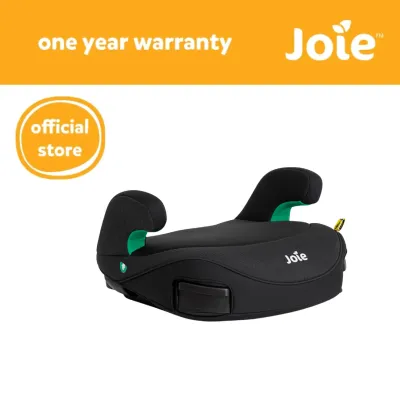
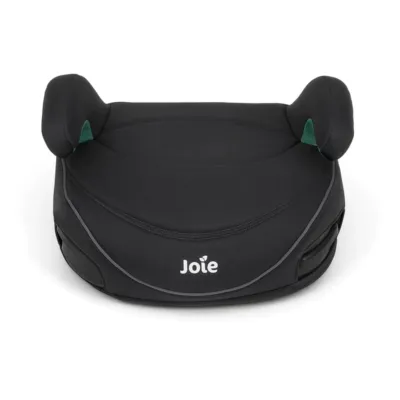
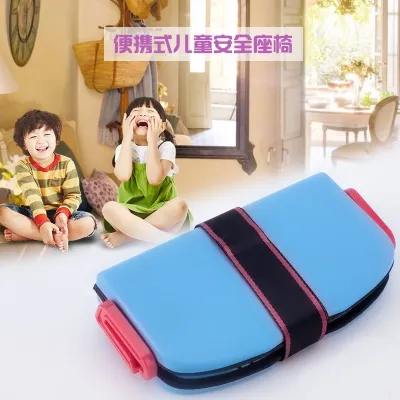
![[SG] Foldable Child Safety Car Booster Seat Compact Travel Portable Baby Seat Blue Pink For 3-13 yrs](https://img.lazcdn.com/g/p/64b57362b4b2ceb65045c329016802cd.jpg_400x400q80.jpg_.webp)
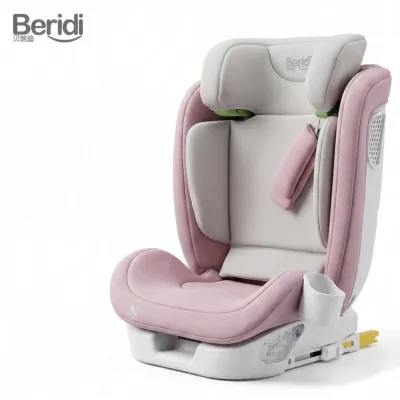
Prices are valid at publication and may change. Please refer to the product page for the latest price.
While height is the absolute legal metric, age remains a helpful indicator for developmental milestones. Many children do not reach 1.35 metres until they are between 8 and 12 years old. Caregivers must continue using an approved booster seat throughout this growth period, regardless of whether the child feels they have outgrown the seat socially. Conversely, if a younger child grows exceptionally quickly and exceeds the height limit, they may legally transition to an adult seatbelt, though continuing to use a booster is often recommended until a proper physical fit is achieved.
To determine if your child can safely transition to a standard seatbelt, you should perform a physical assessment inside your vehicle. Have your child sit completely back against the vehicle seat. Check if their knees bend comfortably over the edge of the seat cushion without slouching. The lap belt must rest low and snug across the upper thighs or pelvis, never across the soft tissue of the stomach. Additionally, the shoulder belt must cross the center of the chest and collarbone, resting well away from the neck and face.
Measuring your child’s height accurately at home is the first step in verifying compliance. Have your child stand barefoot with their heels, buttocks, and shoulders flat against a straight wall. Place a flat object, such as a hardback book, level on top of their head and mark the wall lightly. Measure the distance from the floor to the mark using a reliable tape measure. If the measurement is even slightly under 1.35 metres, a compliant booster seat remains a legal requirement.
Selecting a Compliant Child Restraint System
When choosing a booster seat, parents must select a model that matches their child’s current physical dimensions and development. High-back booster seats provide a raised seating position along with integrated side-impact protection and built-in shoulder belt guides. Backless booster seats are more compact and portable, raising the child so the vehicle’s seatbelt fits correctly across the pelvis and shoulder. Combination seats offer a transition path, starting as a harnessed seat for younger children and converting into a belt-positioning booster later.

In Singapore, child restraints must comply with recognized international safety standards to be considered legally compliant. Parents must verify that the booster seat features a valid certification label on its shell or packaging. Common recognized standards include the United Nations Economic Commission for Europe (UN ECE) regulations R44/04 or R129, the United States Federal Motor Vehicle Safety Standard (FMVSS 213), or equivalent standards from Australia and Great Britain. Always inspect the physical product for these official certification marks before making a purchase.
Before finalizing your choice, carefully check the manufacturer’s specified weight and height limits printed on the product label. A child must fall within both the minimum and maximum limits designated for that specific model. Using a booster seat for a child who is too light or too short can prevent the seatbelt from routing correctly, while exceeding the maximum weight limit can compromise the structural integrity of the booster during an impact.
Proper Installation and Daily Usage Checks
Proper installation is critical to ensuring the booster seat functions as intended during transit. Position the booster seat flat against the vehicle’s rear seat cushion, ensuring it sits stable and flush against the seatback. Thread the vehicle’s lap and shoulder belts through the designated, color-coded belt guides on the booster seat according to the manufacturer’s instructions. The lap belt portion must pass under the armrests to keep it low across the pelvis, while the shoulder belt must slide through the shoulder guide to keep it centered on the chest.
Caregivers should perform a quick visual and physical check before every single journey. Ensure the seatbelt is buckled securely into the correct receiver and that the webbing is completely flat without any twists. Pull the shoulder belt upward to remove any excess slack, ensuring the belt fits snugly against the child’s body. The booster seat itself should remain stable and not slide excessively across the vehicle seat during normal movement.
Regularly inspect the booster seat for signs of wear, damage, or aging. Look for cracked plastic on the shell, frayed webbing, or malfunctioning buckles that do not click securely into place. If the vehicle is involved in a collision, the booster seat must be replaced immediately, even if there is no visible damage, as internal structural integrity may be compromised. Parents should also monitor manufacturer recall databases and register their product to receive safety updates.
Penalties, Exemptions, and Special Scenarios
Failing to secure a child under 1.35 metres in an approved restraint is a serious traffic offence in Singapore. Drivers found in violation face composition fines and demerit points. If the case is prosecuted in court, first-time offenders can face more severe fines or imprisonment, with penalties doubling for subsequent offences.
The law distinguishes between different modes of transport. Public buses are exempt from child restraint requirements due to their operational nature. Taxis are also legally exempt, allowing parents to travel with young children without carrying a booster seat, though doing so is highly discouraged for safety reasons. However, private hire cars (such as those booked via ride-hailing apps) are not exempt; drivers are legally required to ensure all passengers under 1.35 metres are properly restrained, meaning parents must provide their own portable booster or book a vehicle equipped with one.
If a child has a medical condition or physical disability that makes using a standard booster seat impossible or unsafe, parents must obtain a formal medical exemption certificate from a registered medical practitioner in Singapore. This certificate must be carried in the vehicle at all times to present to law enforcement officers if requested. For children with special physical needs, specialized medical-grade car seats or modified restraints may be required, and parents should consult with pediatric occupational therapists to find a compliant and safe solution.
Frequently Asked Questions (FAQ)
Can my child sit in the front seat with a booster seat?
In Singapore, it is legal for a child to sit in the front passenger seat using an appropriate booster seat, provided they meet the height and weight requirements of the restraint. However, doing so carries significant safety risks due to the vehicle’s active frontal airbags. Airbags deploy with immense force and are designed to protect adult-sized passengers; they can cause severe head and neck injuries to a child.
If a child must sit in the front seat, the front passenger airbag must be deactivated. Parents must consult the vehicle’s owner manual to verify the correct procedure for disabling the airbag. Additionally, slide the front vehicle seat as far back as possible on its tracks to maximize the distance between the child and the dashboard.
Are backless booster seats legal and safe?
Backless booster seats are legal in Singapore, provided they carry an approved safety certification label (such as UN ECE R44/04 or R129) and the child meets the manufacturer’s minimum height and weight requirements. They are a popular, lightweight option for travel and ride-hailing services.
While backless boosters are highly convenient, they offer less protection than high-back models. High-back boosters provide crucial side-impact protection for the child’s head, neck, and torso, and they ensure the shoulder belt remains positioned correctly even if the child falls asleep and slumps. Parents should transition to a backless booster only when the child has outgrown the height limit of their high-back seat and can maintain an upright sitting posture throughout the entire journey.
Community discussion
Share your experience or ask a question. Comments are reviewed before publication.