
When comparing Lässig to other popular diaper bag brands like Skip Hop and Babymel, the primary differences lie in their structural philosophy, accessory integration, and material choices. Lässig is widely recognized for its comprehensive, multi-piece accessory sets and organized interior layouts. Skip Hop leans heavily into structured, modular compartments that maintain their shape even when empty. Babymel focuses on lightweight, highly flexible designs with convertible carrying options. Choosing the right brand requires looking past aesthetics to evaluate how each brand’s storage layout matches your daily routine, stroller setup, and packing habits.
Assessing Your Daily Baby Gear Volume
Before choosing a diaper bag, you must identify your actual daily carrying needs and the physical dimensions of your gear. Packing requirements change dramatically depending on whether you are heading out for a quick errand or a full-day excursion. Overpacking a small bag leads to strained zippers, while carrying an oversized, half-empty bag adds unnecessary bulk to your daily travels.
For short trips, such as a quick visit to a local clinic or a nearby supermarket in Singapore, your gear list is usually minimal. You might only need two or three diapers, a travel-sized pack of wipes, a single feeding bottle, a small changing mat, and a spare onesie. These items easily fit into a compact backpack or a small crossbody diaper bag without requiring complex organization systems.
Products mentioned in this guide
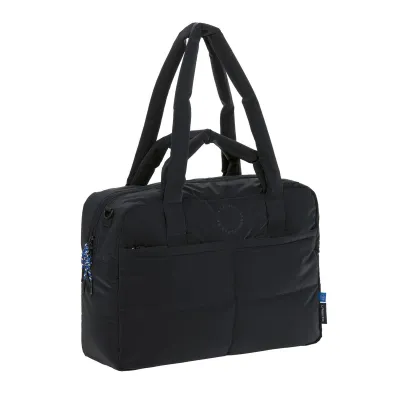
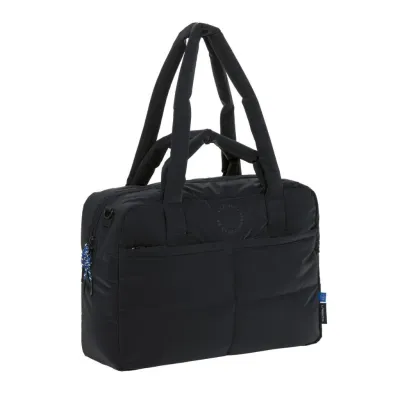
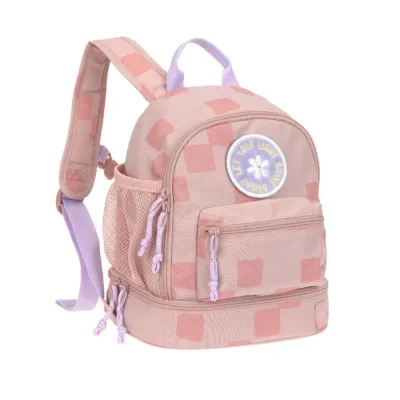
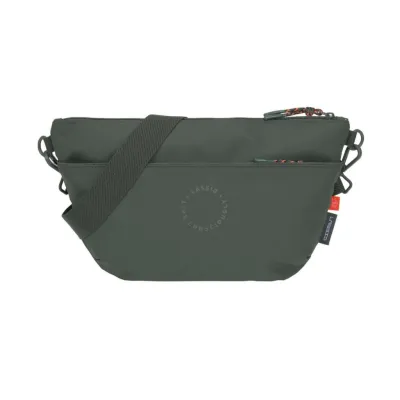
Prices are valid at publication and may change. Please refer to the product page for the latest price.
Full-day outings demand a significantly larger inventory. A typical full-day packing list includes four to six diapers, a full-sized pack of wipes, diaper rash cream, multiple feeding bottles, a thermos of hot water, formula dispensers, solid food containers, bibs, two changes of clothes, swaddles, small toys, and pacifiers. Additionally, you must factor in your personal items, such as your phone, wallet, keys, hand sanitizer, and a personal water bottle.
To establish a baseline capacity requirement, measure the physical dimensions of your most bulky, non-negotiable items. Wide-neck baby bottles can measure up to 7 cm in diameter and 15 cm in height, while portable breast pumps and their power adapters require a dedicated, protected space of at least 12 cm by 12 cm. Laying these items out on a table and measuring their combined footprint will help you determine whether a bag’s listed volume—typically ranging from 15 to 25 liters—will comfortably accommodate your gear.
Lässig Diaper Bags: Storage Layout and Capacity Profile
Lässig diaper bags are designed with a systematic approach to organization, prioritizing dedicated spaces for every category of baby gear. The typical compartment structure features a spacious main cavity complemented by a series of specialized internal pockets. These internal compartments often include elasticized bands to keep bottles upright, zippered security pockets for personal items, and dedicated wet pockets designed to isolate damp clothing or soiled bibs from the rest of your gear.

One of the defining characteristics of Lässig bags is the inclusion of integrated accessory sets. Many models come equipped with a water-resistant changing mat, a removable insulated bottle holder, a small utility pouch for pacifiers or medicine, and dedicated stroller attachment hooks. This comprehensive setup ensures that you do not need to purchase separate accessories, and everything coordinates visually with the bag’s exterior.
Lässig also incorporates specialized storage solutions such as hidden zippered pockets on the back panel, which keep valuables secure against your body while wearing the bag as a backpack. Some models feature a dedicated lower compartment with a water-resistant lining, ideal for storing dirty shoes or wet umbrellas—a highly practical feature for navigating sudden tropical downpours.
Because Lässig offers a wide range of styles, including backpacks, shoulder bags, and messenger-style totes, you must verify the exact internal dimensions, maximum weight limits, and material care instructions on the specific product tag or official brand listing. Some of their eco-friendly fabrics, which utilize recycled polyester, may require specific spot-cleaning methods rather than machine washing to preserve their water-resistant coatings.
Competitor Profiles: Skip Hop and Babymel Organization
Skip Hop focuses heavily on structured silhouettes and modular organization. Their diaper bags are often constructed with rigid frames or stiffened fabric panels that allow the bag to stand upright on its own, even when completely empty. This structural stability is highly beneficial when you need to retrieve an item with one hand while holding your baby with the other.
Skip Hop designs frequently feature dedicated parent compartments and tech pockets, allowing you to store tablets, keys, and wallets completely separate from baby items. Their modular approach often includes matching packing cubes, mesh pouches, or insulated snack bags that fit precisely into designated compartments. This system is ideal for parents who prefer a highly structured packing routine where every item has a fixed, unyielding location.
Babymel takes a different approach, emphasizing flexible layouts, lightweight materials, and convertible carrying systems. Many Babymel models are designed to transition seamlessly from a backpack to a shoulder bag or crossbody bag using a single, adjustable strap system. This flexibility is excellent for families where multiple caregivers share the same bag and prefer different carrying styles.
Babymel’s organization philosophy relies heavily on quick-access external pockets. Many of their bags feature dedicated side pockets designed to hold a standard pack of baby wipes with a dispenser slot, allowing you to grab a wipe without opening the main compartment. The interiors of Babymel bags tend to be more open and less rigid than Skip Hop’s, offering greater flexibility to pack bulky, unusually shaped items like large toys or thick winter jackets.
Remember that storage layouts, pocket counts, and overall capacities vary significantly between different models within the same brand. A backpack style from Skip Hop will have a completely different storage dynamic than one of their tote bags. Always cross-check the specific product specifications of the exact model you are considering rather than assuming uniform features across the entire brand.
Comparing Key Organization Features
To help you evaluate these brands side-by-side, the following matrix outlines how their typical designs handle critical storage and accessibility dimensions:
| Feature | Lässig (Typical Design) | Skip Hop (Typical Design) | Babymel (Typical Design) |
|---|---|---|---|
| Bottle Insulation | Removable, dedicated insulated bottle sleeve included. | Built-in insulated front or side zippered pockets. | Integrated insulated side bottle pocket with elastic expansion. |
| Wipe Accessibility | Internal pockets; requires opening the bag or accessory pouch. | Dedicated external side pocket, often with magnetic closure. | External side pocket with quick-access dispenser slot. |
| Main Compartment Access | Wide-opening top zippers, often with doctor-bag style frames. | Structured, wide-mouth openings or dual-zipper panels. | Soft, flexible zippered openings or drawstring closures. |
| Stroller Attachment | Separate stroller hooks with clip-on carabiners included. | Integrated stroller straps built directly into the main shoulder straps. | Integrated stroller Velcro straps or clip systems on the shoulder strap. |
When choosing between these designs, consider the practical trade-offs between structured and slouchy bags. Structured bags, like many Skip Hop models, keep items upright and prevent them from shifting during transit. However, their rigid walls mean they cannot easily stretch to accommodate extra items if you need to overpack. Slouchy or flexible bags, common in Babymel’s lineup and certain Lässig fabric collections, offer more physical “give,” allowing you to squeeze in extra gear, but they can become disorganized quickly as smaller items settle to the bottom.
Before making a purchase, verify pocket depths, waterproof lining claims, and zipper durability based on the manufacturer’s current specifications. Ensure that the bottle pockets are deep enough to secure your specific brand of baby bottles without them slipping out when the bag is tilted. Additionally, check if the interior linings are fully wipeable or water-resistant to make cleaning up inevitable spills easier.
Making the Final Choice: Which Brand Fits Your Routine?
Your final decision should align with your daily routine, carrying preferences, and stroller setup. Each brand excels in different scenarios, making them suitable for different parenting lifestyles.
Choose Lässig if your routine prioritizes a highly organized, accessory-rich setup with a coordinated aesthetic. If you prefer having dedicated, removable pouches for bottles and small items, and value sustainable material choices, Lässig’s comprehensive design philosophy will suit your needs well. Their bags are excellent for parents who want a complete, ready-to-go organization system out of the box.
Choose Skip Hop if you require a rigid, structured bag that stands upright on its own and keeps your personal items strictly separated from baby gear. This brand is ideal for parents who appreciate modular packing cubes, need dedicated compartments for personal tech, and prefer a highly predictable, structured layout that prevents items from shifting.
Choose Babymel if you prefer versatile carrying styles, lightweight construction, and quick-access external organization. If you frequently switch between a backpack and a shoulder bag, or if you want to grab wipes and bottles from external pockets without opening the main compartment, Babymel’s flexible designs are highly practical.
Regardless of the brand you choose, verify first if your specific stroller handle width and material are compatible with the bag’s attachment clips or straps before purchasing. Hanging a heavy diaper bag on a lightweight stroller can pose a tipping hazard. Always consult your stroller’s manual regarding maximum handlebar weight limits and safety guidelines to ensure safe operation on your daily outings.
Frequently Asked Questions (FAQ)
Do I need a dedicated diaper bag, or can I use a regular backpack?
While a regular backpack can carry baby gear, dedicated diaper bags offer specialized features designed specifically for parenting tasks. Standard backpacks usually feature one or two large compartments where small items like pacifiers and diaper creams easily get lost at the bottom. Dedicated diaper bags provide insulated bottle pockets to maintain milk temperature, water-resistant linings to contain spills, dedicated quick-access wipe pockets, and integrated stroller attachments. These features save time and reduce stress during outings, though a regular backpack can work if you use separate packing organizers.
How do I clean and maintain the interior organization pockets?
Proper maintenance prevents mold, bacteria, and unpleasant odors, especially in warm, humid climates. Always check the manufacturer’s care label first, as cleaning instructions vary by material. For general maintenance, empty all pockets and shake out crumbs. Use a damp cloth with mild, baby-safe soap to spot-clean the interior lining and pockets. Avoid harsh chemical detergents, bleach, or machine washing unless explicitly authorized by the manufacturer, as these can degrade water-resistant coatings. Allow the bag to air dry completely in a well-ventilated area away from direct sunlight before repacking it.
Community discussion
Share your experience or ask a question. Comments are reviewed before publication.