
Selecting the right bag for your child involves balancing physical comfort, daily utility, and structural support. As children transition through different developmental stages, their daily carrying needs change dramatically. Lassig offers a diverse range of children’s bags, but parents often find themselves choosing between two primary categories: structured school bags and flexible casual outing bags. Understanding the core design differences between these two options ensures that your child is neither physically strained by an unsuitable load nor burdened by an overly bulky pack during leisure time.
In Singapore, where a child’s day often transitions from formal school hours to student care, enrichment classes, or outdoor play, the demands on a backpack are unique. A bag must withstand tropical humidity, sudden afternoon downpours, and the physical wear and tear of daily commutes. By evaluating how each Lassig bag series matches your child’s physical height, daily schedule, and typical carrying weight, you can make an informed decision that supports their spinal health and daily independence.
Quick Answer: Which Lassig Bag Fits Your Child?
Choosing between a Lassig school bag and an outing bag depends primarily on the weight of the daily load and the structure of your child’s schedule. If your child is attending primary school, full-day kindergarten, or a structured student care program, a Lassig school bag is the appropriate choice. These bags are specifically engineered to accommodate heavy textbooks, A4-sized files, worksheets, lunchboxes, and water bottles while distributing that weight safely across your child’s developing spine.
Products mentioned in this guide
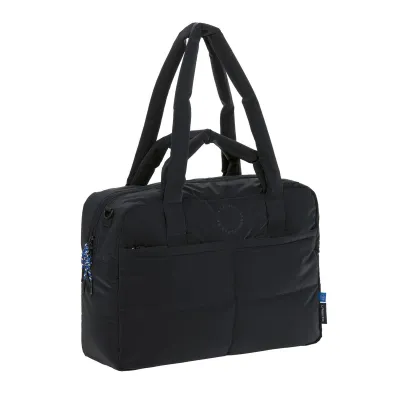
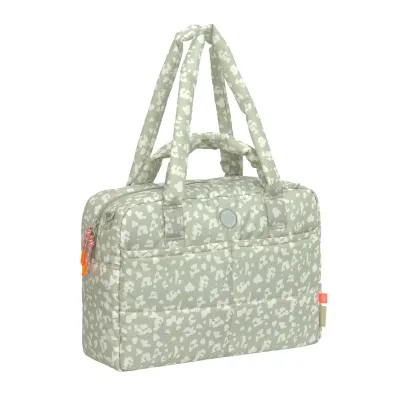
Prices are valid at publication and may change. Please refer to the product page for the latest price.
Conversely, a Lassig outing bag is ideal for lighter, unstructured activities. These include weekend family trips, short enrichment or tuition classes, swim sessions, or casual playdates. In these scenarios, your child only needs to carry a few personal items, such as a change of clothes, a small snack, a light jacket, and a toy.
Mismatching these bags can lead to discomfort or physical strain. Using a casual outing bag to carry heavy primary school books lacks the necessary ergonomic support, which can cause shoulder strain and poor posture. On the other hand, sending a child to a quick park visit with a highly structured, bulky school bag restricts their natural movement and adds unnecessary empty weight to their back.
Key Differences: School Backpacks vs. Outing Bags
To make the best choice, it is essential to look closely at how Lassig designs these two categories. While both options prioritize high-quality materials and child-friendly designs, their internal architecture, support systems, and external features serve entirely different purposes.

Capacity, Compartments, and Organization
School bags are designed with highly structured internal layouts to help children organize flat, heavy academic materials. They typically feature rigid back compartments that keep heavy textbooks and A4 folders close to the spine, which is the optimal position for maintaining a child’s center of gravity. Many Lassig school models also include dedicated, padded sleeves to protect digital learning devices or tablets, alongside specialized loops for pencil cases and small internal pockets for pocket money or keys. Furthermore, they often incorporate insulated front or side pockets designed to keep lunchboxes cool and prevent any condensation from dampening schoolbooks.
Outing bags, by contrast, utilize an open, flexible main compartment. This design is optimized for bulky, soft, or irregularly shaped items rather than flat books. A casual outing bag allows a child to easily stuff a rolled-up jacket, a spare pair of shoes, or a favorite plush toy inside without being restricted by rigid dividers. While they may include simple mesh side pockets for quick access to water bottles or wet wipes, they lack the multi-layered compartmentalization of a school backpack.
Because storage needs vary significantly by age and school level, parents should always check the specific product label or official documentation for the exact liter capacity and pocket configuration. This verification ensures the bag matches the specific dimensions of the items your child is required to carry daily.
Ergonomics and Back Support
Ergonomic design is where school backpacks and outing bags diverge most significantly. Because primary school students often carry loads that represent a substantial percentage of their body weight, Lassig school bags are engineered with advanced weight-distribution systems. These systems typically include heavily padded, S-shaped shoulder straps that conform to a child’s torso, a breathable mesh back panel to reduce heat build-up, and adjustable chest and waist straps. The chest strap keeps the shoulder straps from slipping off narrow shoulders, while the waist belt shifts a portion of the load from the shoulders down to the stronger pelvic area.
Outing bags are designed for much lighter loads and therefore feature simpler, more lightweight strap systems. They generally lack rigid internal frames, heavy back padding, or load-bearing waist belts. While some larger outing models may feature a simple chest strap to keep the bag secure during active play, the overall suspension system is built for short-duration wear and minimal weight.
Before purchasing, parents should review the specific model’s product sheet to verify the presence of adjustable chest straps and the thickness of the back padding. If your child has a history of posture issues or back discomfort, consulting a pediatric physiotherapist can provide personalized guidance on the level of ergonomic support your child requires.
Materials, Weather Resistance, and Safety Features
Both types of Lassig bags reflect the brand’s commitment to durability and sustainability, frequently utilizing fabrics made from recycled polyester. However, the construction details differ to suit their respective environments. School bags are built to survive the demanding classroom environment, featuring reinforced, rigid bases—often with molded plastic feet—to keep the bag upright and protect it from dirt and dampness when placed on school floors.
Given Singapore’s tropical climate, protection against sudden rain showers is a priority. School bags are typically treated with water-repellent coatings to protect paper books and electronics from light rain. However, parents must check the product tag to confirm the exact level of water resistance, as water-repellent materials can still absorb moisture during prolonged exposure to heavy monsoon downpours. In contrast, casual outing bags are lighter and more flexible, making them easier to spot-clean, but they rarely feature reinforced, rigid bases.
Safety features also vary based on usage patterns. School bags are designed for daily commutes, which often occur during early mornings or late afternoons. Consequently, they are equipped with prominent retroreflective elements on the front, sides, and shoulder straps to ensure the child is highly visible to motorists and school bus drivers. Outing bags may feature playful, colorful designs or small reflective accents, but they generally do not have the extensive, certified reflective coverage found on dedicated school models.
Matching the Bag to Your Child's Daily Routine
To determine which bag is the right investment, it helps to map the bag’s features directly to your child’s weekly activities and physical demands.
The Typical School Day
A typical school day for a student in Singapore is highly structured and physically demanding. The daily packing list is extensive, often including multiple heavy textbooks, activity workbooks, spelling folders, a fully loaded pencil case, a diary, and personal hygiene items like hand sanitizers and tissues. Additionally, children must carry a water bottle—often weighing up to a kilogram when full—and a packed lunch or snack box.
When a child carries these items in an unstructured bag, the contents naturally shift during movement. This shifting pulls the child’s shoulders backward, forcing them to lean forward at the waist to compensate, which places unnecessary strain on the lower back and neck. A structured Lassig school bag prevents this by holding books flat and upright against the back.
Furthermore, dedicated external side pockets keep water bottles upright and separated from academic work. This design minimizes the risk of a leaking bottle ruining schoolbooks or digital devices, saving parents from costly replacements and stressful cleanups.
Weekends, Tuition, and Casual Outings
On weekends or during short tuition sessions, the carrying requirements are entirely different. A child attending a two-hour enrichment class or a weekend art session rarely needs a full set of heavy textbooks. They typically only require a single notebook, a pencil case, and a small water bottle. For these activities, a large, structured school bag is unnecessarily heavy and cumbersome.
For family outings to the zoo, the beach, or community play spaces, flexibility and freedom of movement are paramount. An outing bag’s lightweight construction allows children to run, climb, and explore without feeling restricted by a rigid frame. These bags are designed to hold soft items like a spare t-shirt, a small towel for drying off after playing at a water playground, sunglasses, and sunblock.
Outing bags also come in a wide variety of playful, imaginative designs—such as animal shapes or vibrant, casual patterns—that align with a child’s personal style outside the classroom. This makes carrying their own gear feel like a fun part of the adventure rather than a school chore, fostering early habits of personal responsibility.
Final Decision Guide: Choose Based on Your Needs
To finalize your choice, evaluate your child’s primary activities against this straightforward decision framework.
Choose a Lassig School Bag if:
- Your child is entering primary school or a full-day kindergarten program that requires carrying physical books and A4 folders daily.
- The daily load regularly exceeds one to two kilograms, making ergonomic weight distribution, padded shoulder straps, and chest buckles essential for spinal health.
- You need specialized, protective compartments to organize school supplies, keep digital learning devices safe, and isolate wet or insulated food containers.
- Your child commutes during early morning or late afternoon hours, making high-visibility reflective strips a critical safety requirement.
Choose a Lassig Outing Bag if:
- The bag's primary purpose is for weekend family trips, holiday excursions, outdoor playdates, or short enrichment classes.
- The items to be carried are light, soft, and irregularly shaped, such as a change of clothes, small toys, hats, and light snacks.
- You want a highly lightweight, flexible bag that does not restrict your child's physical movement or play.
- Your child is younger (e.g., toddler or early preschool age) and does not yet have the physical stature or requirement to carry structured academic materials.
Verify first if:
- You are considering using a single bag for hybrid purposes. If you plan to use an outing bag for a light school day, always check the manufacturer's recommended age range, height suitability, and maximum load weight. Ensure the shoulder straps have sufficient width and padding to prevent them from digging into your child's shoulders.
- You involve your child in the final selection process. Once you have narrowed down the options based on structural and ergonomic suitability, let your child choose the color or theme. Additionally, have them practice operating the zippers, magnetic buckles, and chest straps to ensure they can manage the bag independently at school or during activities without adult assistance.
Frequently Asked Questions (FAQ)
Can my child use a Lassig outing bag for primary school?
While it is physically possible for a child to carry an outing bag to primary school, it is generally not recommended for regular school days. Outing bags are designed without the rigid back support, internal dividers, and advanced ergonomic strap systems required to safely manage heavy academic loads. Carrying heavy textbooks and A4 folders in an unstructured bag can cause the load to sag and pull backward, leading to shoulder discomfort and poor posture over time. It is best to reserve outing bags for light tuition days, weekend activities, or field trips where only a few light items are needed.
Are Lassig school bags water-resistant?
Many Lassig school bags are constructed from water-repellent materials, often utilizing high-quality recycled polyester treated with a protective coating to handle light rain, splashes, and damp surfaces. However, water-repellent does not mean completely waterproof. During heavy tropical downpours, water can eventually seep through the seams, stitching, or zipper tracks. Parents should check the specific care label and product specifications for their chosen model. For complete peace of mind during Singapore’s monsoon seasons, it is highly recommended to use an additional waterproof rain cover to fully protect schoolbooks and electronic devices.
How do I clean and maintain a Lassig backpack?
To maintain the integrity of a Lassig backpack, start by emptying all compartments, opening all zippers, and shaking out any loose crumbs or dirt. For regular cleaning, wipe the exterior and interior surfaces with a damp cloth and a mild, child-safe soap. Avoid using harsh chemical detergents, bleach, or abrasive brushes, as these can degrade the water-repellent coatings and damage reflective safety strips. Always consult the care label stitched inside the bag before attempting any deep cleaning. Machine washing or fully submerging bags with rigid back panels, internal support frames, or specialized padding is generally not advised, as it can warp the structural components and compromise the bag’s ergonomic support.
Community discussion
Share your experience or ask a question. Comments are reviewed before publication.