
Nursing mothers navigating the early weeks of breastfeeding often encounter nipple soreness, tenderness, or cracking as they and their newborns adjust to latching. When searching for topical relief, Lansinoh HPA Lanolin Cream is one of the most widely recognized options on the market. The primary question for many mothers in Singapore is whether this cream is safe for their baby to ingest and whether it must be wiped off before every feeding session. While highly purified lanolin is specifically formulated to be safe for direct contact with a newborn’s mouth, verifying the specific instructions on your product’s packaging is the most reliable way to ensure safe usage. Understanding how to check the label, recognize potential sensitivities, and apply the cream hygienically will help you protect both your skin barrier and your baby’s health.
Checking Ingredients and Purity Claims on the Label
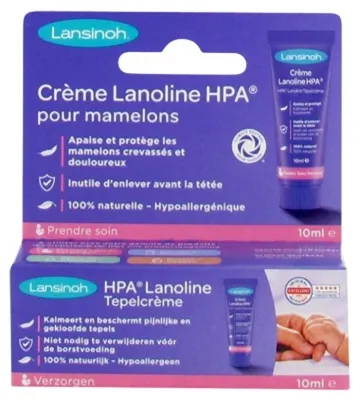
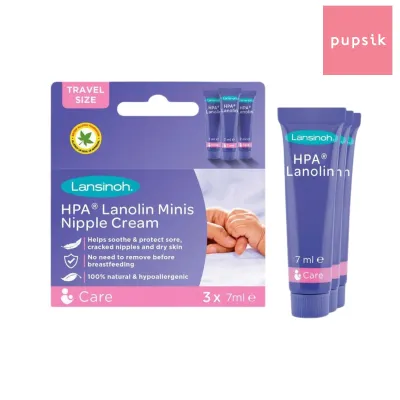
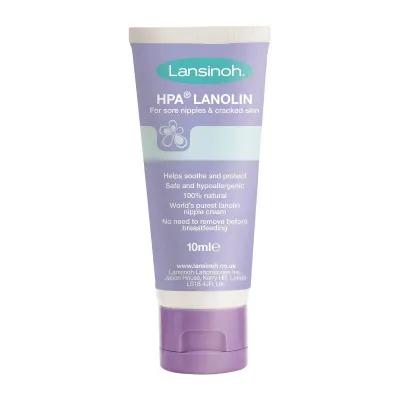
To understand the safety profile of any nipple cream, you must first examine the product label and packaging closely. Lansinoh HPA Lanolin Cream is marketed as containing highly purified lanolin, but verifying the exact ingredient list on the tube you purchase is an essential first step. Look for statements confirming that the product contains 100% ultra-pure lanolin with no added water, chemicals, or preservatives.
Crude lanolin is a natural substance secreted by the sebaceous glands of sheep to protect their wool. In its raw state, it contains environmental impurities, pesticide residues, and free wool alcohols, which are common triggers for allergic reactions. The “HPA” designation stands for Highly Purified Anhydrous, indicating a refining process designed to filter out these impurities and allergens. When inspecting the packaging, verify that the manufacturer explicitly states the absence of additives, artificial fragrances, colors, or preservatives.
Products mentioned in this guide
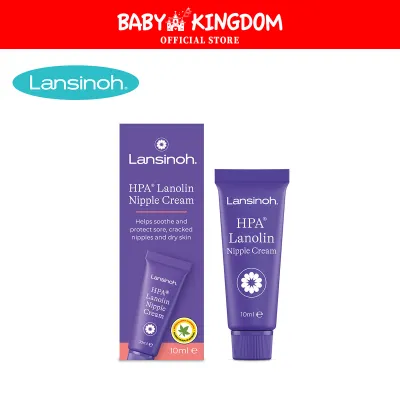
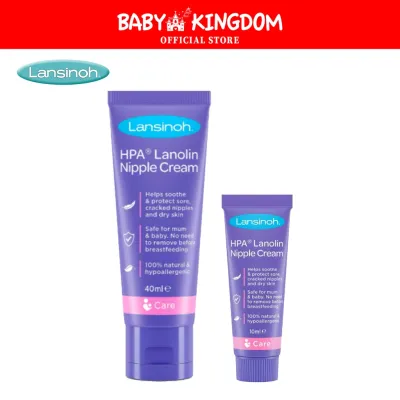
![[2 Sizes] Lansinoh HPA Lanolin Nipple Cream - 10ml / 40ml | lasinoh nipple cream / lanolin nipple cream / lanolin / lanolin cream / nipple care cream / nipple cream](https://img.lazcdn.com/g/p/1b77be14251e4af5cb2df568decf45e9.jpg_400x400q80.jpg_.webp)
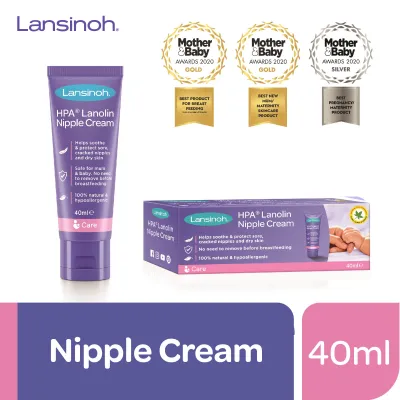
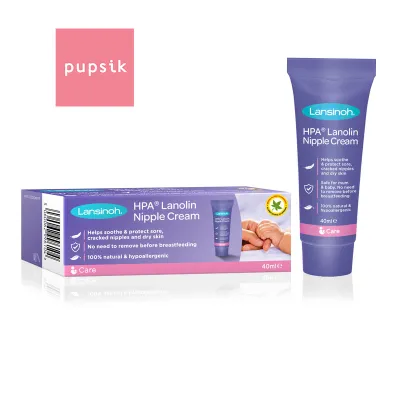
Prices are valid at publication and may change. Please refer to the product page for the latest price.
Highly purified lanolin plays a specific role in soothing cracked or sore nipples by providing a semi-occlusive moisture barrier. Rather than drying out the skin, which can lead to hard scabs that crack open during subsequent feeds, pure lanolin traps the skin’s natural moisture. This promotes moist wound healing, allowing the delicate skin of the nipple and areola to recover while remaining pliable. Because a newborn’s digestive system and skin barrier are highly sensitive, ensuring the cream contains only this single, purified ingredient minimizes the risk of exposing your baby to unnecessary chemical additives.
Do You Need to Wipe It Off Before Breastfeeding?
The core concern for most nursing mothers is whether they must wash or wipe their breasts before letting their baby latch. According to the manufacturer’s general design intent, highly purified lanolin creams do not need to be removed prior to breastfeeding. The purification process is intended to render the cream tasteless and odorless, ensuring it does not interfere with the baby’s natural feeding instincts or latch.

However, you should always consult the official product packaging or the manufacturer’s instructions included with your specific tube to confirm their current “no-wipe” guidance. Local regulatory standards or formulation updates can occasionally influence packaging instructions. Checking the label directly ensures you are following the most accurate guidelines for the specific product in your hands.
There are specific conditions where wiping or washing the breast before feeding becomes necessary, even with a highly purified product. If you have applied an excessively thick layer of the cream, a heavy, sticky residue may remain on the skin. This thick buildup can make the nipple slippery, making it difficult for your baby to establish a deep, secure latch. If the baby slips off the nipple during feeding, it can cause friction and worsen skin damage. Additionally, if you have mixed the lanolin with other non-approved topical products, such as prescription ointments, medicated creams, or non-purified balms, you must wash the area thoroughly according to your healthcare provider’s instructions before feeding your baby.
Potential Risks and Allergic Reactions to Watch For
While highly purified lanolin is designed to be hypoallergenic, it is still an animal-derived product. The primary contraindication for using this cream is a known or suspected allergy to sheep’s wool or lanolin in either the mother or the baby. If you experience itching, redness, or hives when wearing wool clothing, you may have a sensitivity to wool alcohols, and applying lanolin could trigger contact dermatitis.
For the mother, signs of an allergic reaction or localized sensitivity include worsening redness, intense itching, swelling, a burning sensation, or a rash spreading across the areola. If you notice any of these symptoms after application, discontinue use immediately and wash the area with mild soap and water.
Because your baby’s face and mouth come into direct contact with the cream during feeding, you must also monitor them closely for signs of sensitivity. Watch for observable reactions such as a skin rash or tiny red bumps around the baby’s lips, cheeks, or chin. Other signs of discomfort include unusual fussiness during or immediately after feeding, or mild digestive changes. If your family has a history of highly sensitive skin, eczema, or wool allergies, consider performing a patch test by applying a tiny amount of the cream to your inner wrist or elbow, and a small amount to a patch of the baby’s skin, observing the areas for 24 hours before applying it to your breasts.
Safe Application and Hygiene Practices
To maximize the effectiveness of the cream and minimize the risk of introducing harmful pathogens to compromised skin, you must practice strict hygiene during application. Sore, cracked, or bleeding nipples are open wounds, making them highly susceptible to bacterial infections.
Always wash your hands thoroughly with soap and clean water for at least 20 seconds before touching your breasts or handling the cream tube. Once your hands are clean, express a small drop of breast milk and gently smooth it over your nipples, allowing it to air dry. Breast milk contains natural antibodies and protective properties that support skin health.
Next, squeeze a pea-sized amount of the lanolin cream onto your clean fingertips. Because pure lanolin is naturally dense and can become firm, warm the cream between your fingers for a few seconds. This softens the texture, allowing you to pat and glide it gently over the nipple and areola without dragging or pulling on sensitive, painful skin. Apply a thin, even layer after each feeding session to lock in moisture.
Proper storage is also essential to maintain the product’s integrity and prevent spoilage. In Singapore’s warm and humid tropical climate, temperature fluctuations can affect the cream’s consistency. Store the tube in a cool, dry place away from direct sunlight, such as a closed cabinet or drawer. Avoid leaving the tube in hot vehicles or unventilated areas, as excessive heat can cause the lanolin to liquefy or separate. If the cream becomes too soft or runny, placing it in a cooler environment or briefly in the refrigerator can help restore its firm, smooth texture.
When to Stop Use and Seek Professional Help
Nipple cream is designed to soothe temporary discomfort and support skin hydration, but it is not a treatment for underlying breastfeeding complications. Knowing when to stop using the cream and seek professional medical advice is critical for your health and your baby’s well-being.
Discontinue use and consult a doctor or a lactation consultant immediately if you experience symptoms of a localized infection. These symptoms include intense, throbbing breast pain, localized warmth, swelling, red streaks on the breast, pus or yellow discharge from the nipples, a fever, chills, or body aches. These are warning signs of mastitis or a bacterial infection that requires prompt medical evaluation and potential antibiotic treatment.
It is important to understand that topical creams cannot correct a poor latch. If your baby is not latching deeply, their mouth will compress the nipple incorrectly, causing ongoing trauma, bleeding, and severe pain. Applying cream will only mask the symptoms temporarily while the mechanical damage continues. Furthermore, persistent burning, shooting pains deep within the breast during or after feeding, or flaky, itchy skin on the nipple may indicate a fungal infection such as thrush (candidiasis). Thrush requires specific antifungal treatment for both you and your baby.
If you experience persistent pain, bleeding, or latching difficulties, contact a certified lactation consultant (IBCLC), a pediatrician, or a general practitioner. They can evaluate your baby’s latch, check for anatomical issues like tongue-tie, and provide a comprehensive care plan to make your breastfeeding journey comfortable and successful.
Frequently Asked Questions (FAQ)
Can I use this cream if I have a known wool allergy?
If you have a known allergy or sensitivity to sheep’s wool, you should exercise extreme caution before using lanolin cream. Lanolin is extracted from wool, and although the HPA purification process is designed to remove the majority of allergenic wool alcohols, trace amounts may still trigger a reaction in highly sensitive individuals. Consult your healthcare provider or a dermatologist before application, and consider performing a patch test on a small area of healthy skin first. If a sensitivity is confirmed, your doctor can recommend alternative, plant-based nipple balms.
Does the cream change the taste of breast milk for the baby?
Highly purified lanolin is specifically processed to be tasteless and odorless, meaning it should not alter the taste of your breast milk or discourage your baby from feeding. However, every baby is unique, and some newborns may be sensitive to the physical texture or the slight barrier it creates on the skin. If you notice your baby pulling away, shaking their head, or struggling to latch after you apply the cream, try wiping your nipple gently with a warm, damp cloth before the next feed to see if their behavior improves.
How should I store the cream in Singapore's tropical climate?
To preserve the texture and quality of the cream in Singapore’s warm, humid environment, store the tube in a cool, dry place away from direct sunlight, such as an indoor cupboard or drawer. Avoid storing it in humid bathrooms or near windows where temperatures can rise quickly. If the cream liquefies or separates due to ambient heat, place the tube in a cooler room or briefly in the refrigerator to help it regain its normal, firm consistency. Always ensure the cap is tightly sealed after each use to prevent moisture and airborne contaminants from entering the tube.
Community discussion
Share your experience or ask a question. Comments are reviewed before publication.