
Choosing between Konny, Ergobaby, and BabyBjörn depends on your daily parenting routines, your baby’s current developmental stage, and your physical comfort preferences. While Konny offers a lightweight, fabric-wrap style that excels in portability and quick home use, Ergobaby focuses on highly adjustable, structured support designed to distribute weight across long periods. BabyBjörn provides structured, intuitive buckle systems with premium fabrics that maintain their shape during active use.
To make an informed decision, caregivers must evaluate several core dimensions, including structural ergonomic support, physical comfort features, adjustability across growth stages, and overall purchasing value. Because baby gear designs and safety guidelines evolve, you should always verify current manufacturer specifications, safety labels, and user manuals before making a final purchasing decision.
Core Design and Ergonomic Support
When evaluating ergonomic support, the primary goal is to maintain the baby’s natural posture. A well-designed carrier supports the natural “M-shape” leg position, where the baby’s hips are bent and the knees sit slightly higher than the bottom. This positioning is crucial for healthy hip development, especially during the first year of life. Fabric-based carriers like Konny rely on the tension of the material to create a supportive seat, whereas structured carriers like Ergobaby and BabyBjörn use molded panels and adjustable seat widths to achieve this ergonomic alignment.
Products mentioned in this guide
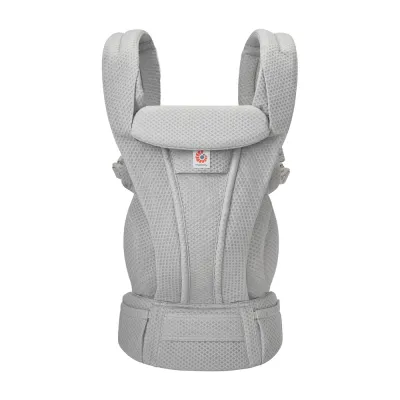
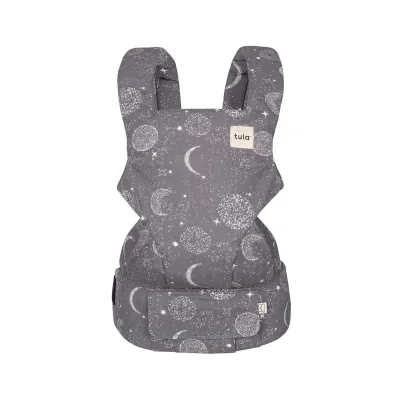
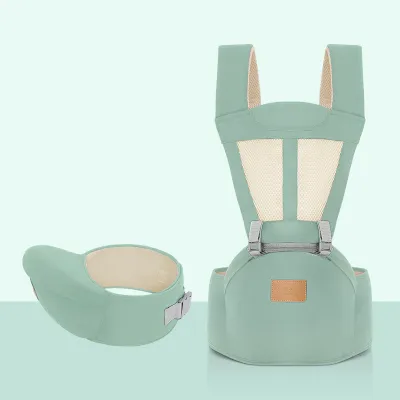
Prices are valid at publication and may change. Please refer to the product page for the latest price.
Back and neck support requirements change significantly as your baby grows. Newborns require a carrier that gently curves their spine into a natural “C-shape” while providing firm, reliable support for the head and neck. Structured models often feature adjustable head collars or padded cushions that can be buckled or buttoned into place to secure an infant who lacks independent neck control. In contrast, wrap-style carriers require the caregiver to manually position the fabric bands to support the back of the baby’s head safely.
To ensure a carrier meets recognized ergonomic standards, caregivers should check the current International Hip Dysplasia Institute (IHDI) acknowledgment status. This status indicates that a carrier has been evaluated for its ability to support healthy hip development when used correctly. Because product lines and designs are updated regularly, you should verify these acknowledgments directly on the official brand websites rather than relying on older retail packaging.
Comfort Features for Parent and Baby
Caregiver comfort is heavily influenced by how a carrier distributes the baby’s weight across the shoulders, back, and hips. Konny utilizes a wide, sash-like fabric design that spreads the weight evenly across both shoulders and the upper back, eliminating the localized pressure points often caused by narrow straps. Ergobaby typically employs thick, padded shoulder straps that can be worn straight or crossed in the back, paired with a robust, structured waistband that transfers a significant portion of the weight to the wearer’s hips. BabyBjörn carriers often feature an integrated lumbar support plate and a structured harness system designed to keep the load close to the caregiver’s center of gravity.

Fabric selection plays a vital role in comfort, particularly in warm and humid climates like Singapore. Lightweight mesh fabrics, organic cotton, and specialized synthetic blends offer varying degrees of breathability and moisture-wicking capabilities. A carrier made of dense, heavily padded material may feel overly warm during outdoor walks, whereas a high-performance mesh option allows for maximum airflow to keep both the caregiver and the baby cool.
Beyond the main fabric, small design details can make a substantial difference in daily comfort. Look for generous padding around the baby’s leg openings to prevent chafing and red marks on delicate skin. Additionally, check whether the carrier includes an integrated sleep hood or sunshade, which provides valuable protection from bright sunlight and wind while supporting a sleeping infant.
Adjustability and Growth Stages
Every baby carrier has specific manufacturer-stated minimum and maximum weight limits that must be strictly followed to ensure safety. Fabric wrap carriers generally have lower maximum weight thresholds, making them highly suitable for the early infancy stage but less practical as your child grows into a heavy toddler. Structured carriers are typically built to accommodate higher weight limits, allowing them to transition from infancy through the toddler years.
Whether a carrier requires a separate infant insert is a key consideration for parents of newborns. Some structured models require a dedicated padded insert to support a small infant safely until they reach a specific weight or height. Other modern carriers feature built-in adjustable seats, panels, and cinching mechanisms that allow you to customize the fit for a newborn directly without purchasing extra accessories.
If multiple caregivers will share the carrier, ease of adjustment is paramount. Sized fabric carriers, which do not have adjustable straps or buckles, are tailored to a specific wearer’s body size and cannot easily be shared between parents of different builds. Structured carriers, on the other hand, feature adjustable webbing, sliding buckles, and customizable waistbands that allow quick transitions between different users. Always check the manufacturer’s exact height, weight, and developmental thresholds before transitioning your baby to a forward-facing position, as premature use of this position can strain the baby’s spine and hips.
Value and Purchasing Considerations
The market positioning of these three brands ranges from streamlined, budget-friendly options to premium, long-term investments. Sized fabric wraps generally represent a lower initial financial commitment, making them an attractive choice for parents seeking a dedicated carrier for the newborn phase. Structured, multi-position carriers command a higher price point but offer extended usability over several years, which can represent excellent long-term value.
To ensure you are purchasing a genuine product, always buy from authorized retailers, official brand stores, or reputable e-commerce platforms. Counterfeit baby carriers may lack reinforced stitching, safety-tested buckles, and proper ergonomic support, posing significant safety risks. Checking current retail prices in S$ across official channels will help you identify authorized promotions and avoid suspiciously low-priced counterfeits.
Before finalizing your purchase, review the manufacturer’s warranty terms and return policies. Some brands offer extended warranties upon product registration, which provides peace of mind regarding hardware durability. Additionally, consider what accessories are included with the carrier, such as integrated storage pouches, teething pads, or drool bibs, as purchasing these items separately can add to the overall cost.
Decision Framework: Which Carrier Fits Your Needs?
To determine which baby carrier aligns best with your family’s lifestyle, consider how and where you plan to use it most frequently.
- Choose Konny if you prioritize lightweight, highly packable materials, simple fabric adjustments, and a streamlined design that fits easily into a diaper bag for quick daily outings or indoor soothing.
- Choose Ergobaby if you require versatile carrying positions, robust lumbar support for long walks, and a highly adjustable structure that adapts seamlessly from early infancy through toddlerhood.
- Choose BabyBjörn if you prefer premium, structured fabrics, intuitive front-buckling systems that make loading and unloading simple, and a carrier that maintains its shape during active use.
Before making your final choice, verify if your baby has any specific medical needs, such as hip dysplasia or muscle tone concerns, that require specialized carrying positions. If you are unsure about the fit or safety of a carrier, or if your baby shows signs of discomfort, stop use immediately and consult a qualified pediatrician or a certified babywearing consultant.
Frequently Asked Questions (FAQ)
Are these baby carriers machine washable?
Washing instructions vary significantly depending on the specific model, fabric type, and hardware components of your carrier. You should always check the physical care label sewn inside the carrier before attempting to clean it. As a general best practice, use a mild, baby-safe detergent, select a gentle cycle with cold water, and place the carrier in a mesh laundry bag to protect buckles and straps. Avoid using bleach or fabric softeners, and always air dry the carrier completely in a shaded area, as high heat from a tumble dryer can damage internal padding and weaken safety hardware.
Can I use these carriers for a newborn without an insert?
Whether you can use a carrier for a newborn without an insert depends entirely on the specific model’s design and the manufacturer’s guidelines. Some structured carriers require a separate infant insert to ensure a small baby is positioned high enough to keep their airway clear and support their spine. Other models feature built-in adjustable seats and panels that can be cinched down to accommodate newborns safely from birth. Always consult the official user manual to verify the minimum weight and developmental milestones required for safe use without an insert.

Community discussion
Share your experience or ask a question. Comments are reviewed before publication.