
Parents shopping for baby laundry care often face a challenging balancing act: finding a formula tough enough to remove stubborn milk stains, spit-up, and diaper leaks, yet gentle enough to protect a newborn’s highly delicate skin. The skin of an infant is up to thirty percent thinner than that of an adult, making it significantly more vulnerable to chemical irritants, synthetic dyes, and harsh surfactant residues that can linger on clothing fibers after a wash cycle.
Kodomo Organic baby detergent has become a popular choice for families seeking a milder, plant-based alternative to conventional household detergents. To determine if this product is the right fit for your household, it is helpful to look closely at the science behind its formulation. Understanding the specific roles of plant-derived cleaning agents, natural enzymes, botanical extracts, and preservation systems allows you to make an informed decision for your child’s skin health and comfort.
Decoding the "Organic" and Plant-Based Formula
When evaluating baby detergents, the terms “organic” and “plant-based” are frequently highlighted on packaging, but they require careful clarification. In the context of laundry detergents, “organic” does not mean the entire liquid inside the bottle is a certified agricultural product in the same manner as organic food. Instead, it typically indicates that the formulation incorporates organic-certified botanical extracts or utilizes plant-derived surfactants rather than synthetic, petroleum-based alternatives.
Products mentioned in this guide
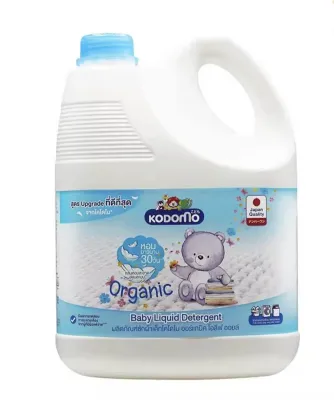
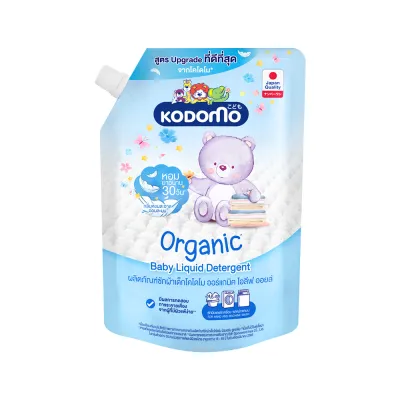
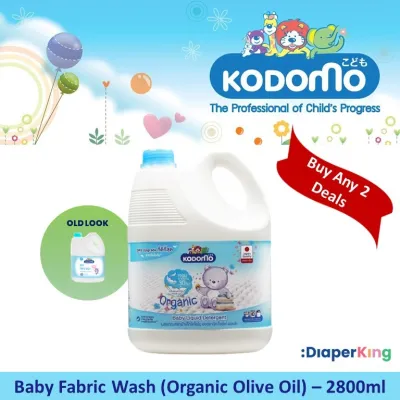
![[ Bundle of 2 Packs ] KODOMO Oganiku Premium Organic Baby Liquid Detergent for new Born 450ml](https://img.lazcdn.com/g/p/e8d04ad7c2b3681497291d7bec98b04f.jpg_400x400q80.jpg_.webp)
Prices are valid at publication and may change. Please refer to the product page for the latest price.
To set realistic expectations, parents should examine the specific Kodomo Organic product label to verify the exact percentage of plant-based active ingredients and look for recognized third-party eco-labels. These certifications provide independent verification of the manufacturer’s environmental and ingredient claims. A plant-based formula is highly beneficial for baby skin because it generally relies on milder active agents that do not strip the skin’s natural moisture barrier as aggressively as conventional petrochemical surfactants.
However, it is vital to remember that “natural” or “plant-derived” does not automatically equate to “allergen-free.” Botanical ingredients, essential oils, and plant extracts can still trigger localized skin reactions or contact allergies in highly sensitive infants. Every baby’s skin is unique, meaning that even the gentlest plant-based formulation must be monitored during initial use to ensure compatibility with your child’s skin.
Key Ingredient Categories to Look for on the Label
Reading the ingredient list on a baby detergent bottle can feel like deciphering a foreign language. By breaking down these components into functional categories, you can easily understand what each ingredient does and how it affects both cleaning performance and skin safety.

Plant-Derived Surfactants (The Cleaning Agents)
Surfactants, or surface-active agents, are the core cleaning components of any detergent. They work by lowering the surface tension of water, allowing it to wet fabrics more thoroughly and penetrate deep into fibers to lift away dirt, oils, and sweat.
In plant-based formulations like Kodomo Organic, these agents are typically derived from natural sources such as coconut oil or palm kernel oil. When reading the ingredient list, look for terms such as:
- Alkyl Polyglucoside (APG): A highly mild, biodegradable surfactant derived from plant starches and fatty alcohols.
- Coco-Glucoside or Decyl Glucoside: Extremely gentle cleansing agents commonly used in baby washes and sensitive-skin detergents.
- Coconut-Based Cleansers: Natural fatty acids that help create a mild lather and lift organic soils without leaving harsh chemical residues.
These plant-derived surfactants are structured to bind to oily soils and suspend them in the wash water so they can be easily rinsed away, minimizing the risk of leaving irritating deposits on your baby’s garments.
Natural Enzymes (The Stain Breakers)
Biological stains such as breast milk, infant formula, baby food purees, and spit-up are rich in proteins, starches, and fats. Standard surfactants alone can struggle to break down these complex organic molecules, which is where natural enzymes become valuable.
Enzymes act as highly specific catalysts that target and break down distinct types of stains:
- Protease: Targets and breaks down protein-based stains, such as milk, formula, spit-up, and blood.
- Amylase: Focuses on starch-based soils, which are common once babies transition to solid foods and purees.
- Lipase: Breaks down fats, oils, and sebum, helping to eliminate greasy residues and associated odors.
When reviewing the Kodomo Organic range, check whether the specific formula you choose is enzyme-free or contains mild, naturally derived enzymes. Newborns with extremely sensitive skin or conditions like atopic dermatitis often benefit from enzyme-free formulas to eliminate any potential source of irritation, whereas older, active babies starting solid foods may require the targeted stain-breaking power of a mild enzyme-infused detergent.
Botanical Extracts and Skin Conditioners
Many plant-based detergents incorporate botanical extracts to provide natural fabric-conditioning benefits and soothe the skin. In the Kodomo Organic line, these extracts are selected to help maintain fabric softness without relying on heavy synthetic fabric softeners, which often coat clothing fibers in a waxy, irritating film.
Common botanical ingredients to look for include:
- Aloe Vera Extract: Known for its soothing and hydrating properties, helping to reduce fabric stiffness.
- Chamomile Extract: Frequently utilized in baby care for its calming, anti-inflammatory profile.
- Organic Argan Oil or Seed Extracts: Added to provide gentle conditioning to fabric fibers, reducing static and friction.
While these botanical extracts help keep baby clothes feeling soft against delicate skin, they can occasionally act as contact allergens for highly reactive infants. Parents should always observe their baby’s skin for any localized reactions, particularly in areas where clothing fits tightly against the body.
Preservatives and Fragrance Systems
Because liquid detergents contain water and organic, plant-derived ingredients, they require a preservation system to prevent the growth of mold, yeast, and bacteria. This is especially critical in warm, humid climates like Singapore, where storage conditions can accelerate microbial growth.
When evaluating the preservation and fragrance systems, keep the following points in mind:
- Mild Preservatives: Look for safe, food-grade or cosmetic-grade preservatives such as sodium benzoate, potassium sorbate, or phenoxyethanol. Avoid formulas containing parabens, formaldehyde donors, or methylisothiazolinone (MIT), which are known skin sensitizers.
- Fragrance Profiles: Many baby detergents offer a light, hypoallergenic scent to keep laundry smelling fresh, while others are completely fragrance-free. If your infant has highly reactive skin or eczema, a fragrance-free variant is generally the safest choice to minimize the risk of irritation.
- Dye-Free Formulations: Ensure the detergent is free from synthetic dyes, as these colorants serve no functional cleaning purpose and are common culprits behind skin sensitivity.
How to Evaluate Gentleness and Cleaning Effectiveness
To determine if a plant-based baby detergent is performing safely and effectively in your home, you can establish a practical evaluation framework based on several key criteria.
First, consider the pH balance of the formulation. Healthy baby skin has a slightly acidic pH, typically ranging between 4.5 and 5.5, which forms a protective barrier known as the acid mantle. Standard adult detergents are often highly alkaline, which can disrupt this barrier and lead to dryness and irritation. A high-quality baby detergent should be pH-balanced—ideally close to neutral or slightly acidic once diluted in water—to respect and preserve your baby’s natural skin barrier. Look for explicit “pH-balanced” or “Dermatologically Tested” claims printed on the Kodomo packaging, which indicate that the formula has undergone clinical safety evaluations.
Second, recognize the natural trade-offs between extreme gentleness and aggressive stain removal. Because plant-based baby detergents deliberately omit harsh optical brighteners, chlorine bleach, and strong synthetic solvents, they may require a little extra assistance when dealing with heavy, dried-on stains.
To achieve excellent cleaning results without sacrificing gentleness, adopt a proactive pre-treatment routine for tough stains:
- Act Quickly: Rinse the stained garment in cold water as soon as possible to prevent the soil from setting into the fabric fibers.
- Pre-Treat directly: Apply a small drop of the Kodomo Organic liquid detergent directly onto the stain.
- Gently Rub: Use a soft cloth or your fingers to work the detergent into the fabric, allowing it to sit for 5 to 10 minutes before washing.
- Wash as Normal: Launder the garment according to the fabric care label.
Stop-Use Condition: If your baby develops any signs of skin irritation—such as redness, dry patches, small bumps, or persistent scratching—discontinue use of the detergent immediately. Wash all of the baby’s garments, bedding, and towels in plain, warm water to flush out any lingering residues, and consult a qualified pediatrician or pediatric dermatologist to address the irritation.
Best Practices for Washing with Plant-Based Detergents
To get the best possible performance from a plant-based baby detergent, you may need to adjust your laundry habits slightly, as natural formulations behave differently than conventional chemical detergents.
- Optimize Water Temperature: Plant-based surfactants and natural enzymes are highly temperature-sensitive. Washing in extremely hot water (above 60°C) can denature beneficial enzymes and degrade certain natural ingredients, while very cold water may not fully activate the plant-derived cleaning agents. A warm wash cycle—typically between 30°C and 40°C—is generally optimal for dissolving the detergent, activating the enzymes, and thoroughly lifting organic baby stains.
- Practice Precise Dosing: Plant-based baby detergents are often highly concentrated, meaning a small amount goes a long way. Over-dosing does not result in cleaner clothes; instead, it leaves excess detergent residue trapped within the fabric fibers, which can attract dirt and irritate your baby's skin. Always use the measuring cap provided and strictly follow the manufacturer's dosage guidelines based on your washing machine's load size.
- Store the Product Correctly: Because natural and mild preservation systems are more sensitive to environmental exposure, proper storage is essential. Keep the detergent bottle tightly sealed and store it in a cool, dry cupboard away from direct sunlight. In Singapore's hot, humid service yards or outdoor laundry areas, avoiding direct exposure to heat and moisture will help maintain the formula's stability and prevent premature degradation.
- Select an Extra Rinse Cycle: If your baby has eczema, extremely sensitive skin, or known allergies, configure your washing machine to run an extra rinse cycle. This simple step provides an added layer of safety by ensuring that every trace of surfactant and organic soil is completely flushed out of the clothing fibers.
Frequently Asked Questions (FAQ)
Is plant-based baby detergent safe for newborns from day one?
Yes, plant-based baby detergents are generally formulated to be exceptionally mild and are suitable for washing newborn clothing. However, you should always verify the specific age recommendations, usage instructions, and safety warnings printed on the Kodomo Organic packaging. If your newborn has pre-existing skin conditions, severe dryness, or a strong family history of atopic eczema, it is highly recommended to consult your pediatrician before introducing any new laundry products to their garments.
Can I use Kodomo Organic detergent for the whole family's laundry?
Yes, Kodomo Organic detergent is an excellent choice for washing adult clothing, particularly for family members who suffer from eczema, psoriasis, or sensitive skin. Keep in mind that adult garments often accumulate heavier organic soils, sebum, and outdoor dirt than baby clothes. To achieve the same level of cleanliness for adult laundry, you may need to adjust the dosage slightly, utilize a warm water wash cycle, or pre-treat heavily soiled areas prior to running a standard machine cycle.
Community discussion
Share your experience or ask a question. Comments are reviewed before publication.