
When comparing baby bottle cleansers in Singapore, Kodomo bottle wash is frequently highlighted as a highly accessible, budget-friendly option. However, choosing the right cleanser for your household involves looking beyond simple brand recognition. The ideal choice depends on your specific feeding setup, such as whether you use breast milk or formula, the materials of your bottles, and any skin or respiratory sensitivities your baby might have.
To make an informed decision, parents must evaluate how different formulas perform against stubborn milk residues, what safety certifications to verify, and how to calculate the true cost-per-use. Understanding these core dimensions will help you determine if this popular option meets your family’s cleaning standards and safety requirements.
Quick Verdict: Is Kodomo Bottle Wash the Right Choice for You?
Kodomo bottle wash occupies a highly practical middle ground in the local baby care market. It is primarily formulated with plant-derived surfactants, making it effective at breaking down light to moderate breast milk residues and standard formula oils without the premium price tag associated with imported organic brands. For parents who prioritize everyday affordability, widespread supermarket availability, and a straightforward plant-based cleaning agent, it represents a highly reliable baseline option.
Products mentioned in this guide
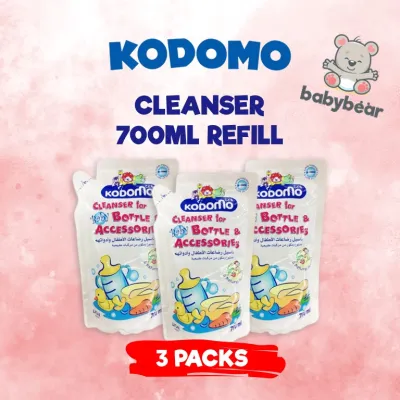
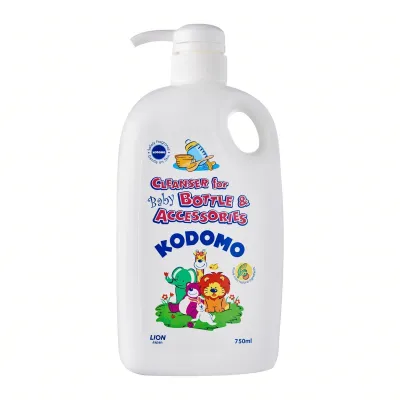
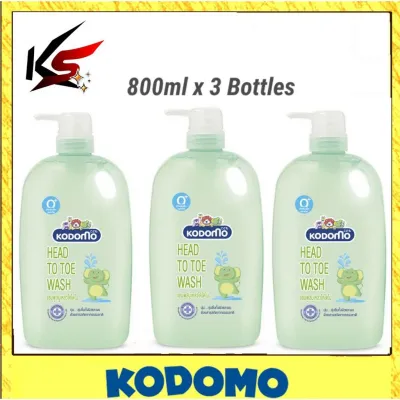
Prices are valid at publication and may change. Please refer to the product page for the latest price.
However, the absolute best bottle wash for your kitchen depends on your daily feeding routines and specific safety priorities. If you are dealing with stubborn, dried-on formula proteins that require heavy-duty enzymatic action, or if your baby has diagnosed skin conditions like eczema that require certified hypoallergenic or fragrance-free formulas, specialized premium alternatives may be more suitable. The choice ultimately comes down to balancing your baby’s specific sensitivities, your daily feeding volume, and your monthly budget.
Cleaning Performance: Plant-Based Surfactants vs. Enzyme Cleaners
Understanding how a bottle cleanser works requires looking at the molecular level of milk residue. Milk is a complex emulsion of water, proteins (such as casein and whey), fats, and carbohydrates. When milk dries inside a plastic or glass bottle, these components form a stubborn, hydrophobic film that plain water cannot dissolve, creating a breeding ground for bacteria if not properly cleared.

Mainstream cleansers like Kodomo rely on plant-based surfactants, often derived from coconut or palm kernels. Surfactants work by reducing the surface tension of water, allowing it to wet surfaces more effectively. One end of the surfactant molecule binds to the milk fats, while the other binds to water, allowing the oils to be lifted and rinsed away during manual scrubbing.
In contrast, premium or specialized cleansers often incorporate active enzymes, such as proteases and amylases. Enzymes act as biological catalysts that physically break down complex protein chains and starches into smaller, highly water-soluble fragments. This is particularly beneficial for formula-fed babies, as infant formula typically contains higher protein concentrations and denser fats than breast milk, which can leave a persistent white haze on plastic bottles if not targeted by enzymes.
To evaluate cleaning performance at home, parents should look for specific physical indicators after the bottles have dried. Inspect the interior walls of your plastic (PP or PPSU) or glass bottles under a bright light. A successful clean leaves the surface completely transparent and free of cloudiness, oily streaks, or a slippery tactile feel when rubbed with a clean finger.
Another critical performance indicator is odor retention. Milk fats trapped in micro-scratches on plastic bottles can oxidize over time, leading to a sour, rancid smell. If your current wash leaves a lingering odor even after a thorough scrub, it may indicate that the surfactant concentration is insufficient to fully emulsify the fat layer, or that an enzymatic cleaner is required to break down the protein matrix holding those fats in place.
The temperature of your washing water also plays a major role in cleaning efficacy. Warm water, typically between 40°C and 50°C, helps liquefy milk fats, making it significantly easier for surfactants to surround and lift them. Always verify the maximum temperature limits specified by your bottle manufacturer before washing, as excessive heat can degrade certain plastics or silicone components over time.
Your choice of washing technique must align with the bottle material and design. Complex anti-colic bottles with internal valves, straws, or vents require meticulous manual scrubbing with specialized, fine-tipped brushes. While some cleansers are formulated to be low-sudsing and compatible with dishwasher cycles, manual washing with a dedicated bottle brush remains the most reliable way to ensure physical contact with all internal surfaces.
Safety and Ingredients: How to Verify Baby-Safe Claims
Evaluating the safety of a baby bottle wash requires moving past front-label marketing and scrutinizing the ingredient declaration on the back of the packaging. The primary concern for parents is ensuring that no chemical residues remain on the bottle surfaces to be ingested by the infant, and that the liquid does not irritate the caregiver’s hands during daily washing.
Parents should actively look for and avoid formulas containing parabens, artificial colorants, and strong synthetic fragrances. Parabens are commonly used as preservatives but have faced scrutiny regarding potential endocrine disruption, while synthetic dyes serve no functional cleaning purpose and increase the risk of skin irritation. Strong fragrances, even if labeled as natural, can leave a persistent scent on silicone teats, which may interfere with a baby’s feeding by altering the expected smell of breast milk or formula.
It is essential to understand that marketing terms such as “natural,” “plant-derived,” or “food-grade” are not strictly regulated standard definitions in the consumer goods industry. A “plant-derived” surfactant has indeed originated from a natural source like coconut oil, but it has undergone significant chemical processing to become an effective cleaning agent. These terms do not guarantee that a product is completely free from allergens or skin sensitizers.
To verify genuine safety profiles, look for independent, third-party certifications rather than self-declared manufacturer claims. These may include dermatological testing certifications from recognized institutes, hypoallergenic seals, or eco-labels that verify biodegradable formulations. Because these certifications can change or vary by batch and region, parents should verify current safety data sheets or certification statuses directly on the manufacturer’s official website or localized product labels.
Always check the specific product label for safety warnings, age suitability, and first-aid instructions. For example, some formulations may carry warnings against contact with eyes or specify that they are not intended for use on broken skin. Caregivers with sensitive skin or pre-existing conditions like contact dermatitis should consider wearing protective gloves during washing, regardless of how gentle the cleanser claims to be.
No matter how safe or natural a bottle wash claims to be, thorough rinsing is the most critical step in the cleaning process. Run clean, potable water through and over every bottle component for at least several seconds to ensure all surfactant residues are completely flushed away. Signs that a cleanser is not being rinsed thoroughly include a soapy taste in the milk, persistent foaming during feeding, or localized skin irritation around the baby’s mouth.
Value and Cost-Per-Use: Calculating the True Price Per Wash
When shopping for baby bottle cleansers in Singapore, relying solely on the upfront shelf price of a bottle can lead to inaccurate budget assumptions. A cheaper, larger bottle may actually cost more over time if the formula is highly diluted, requiring you to use multiple pumps per wash cycle to achieve a satisfactory clean.
To calculate the true cost-per-use, start by identifying the concentration of the formula and the manufacturer’s recommended dosage. A highly concentrated formula might only require 1 ml to 2 ml of liquid diluted in a basin of warm water to clean a full batch of bottles. In contrast, a less concentrated, pre-foamed wash might require several direct pumps per bottle, depleting the volume much faster.
Consider this practical calculation method: divide the total volume of the bottle (in milliliters) by the recommended dosage per wash (in milliliters) to estimate the total number of washing cycles per bottle. Then, divide the retail price of the product by this number of cycles to find the cost-per-wash. This simple math often reveals that a slightly more expensive, concentrated cleanser is more economical than a cheaper, diluted alternative.
Packaging design also plays a significant role in preventing wastage and controlling daily dosage. Pump dispensers are highly effective at delivering a consistent, pre-measured amount of liquid, reducing the likelihood of accidental over-pouring that often occurs with squeeze bottles. However, pump mechanisms can sometimes fail or leave a small amount of unusable product at the very bottom of the container.
Refill pouches represent a major cost-saving opportunity for families in Singapore. Brands like Kodomo frequently offer flexible refill packs that are priced significantly lower per milliliter than the initial bottle-with-pump purchase. Transitioning to refills not only reduces plastic waste but also stabilizes your long-term household maintenance budget.
Availability and pricing stability are crucial factors for long-term planning. Some niche or imported organic brands may experience supply chain disruptions, leading to temporary stockouts or inflated prices on online marketplaces. Kodomo, being a staple brand distributed widely across major local supermarkets, pharmacies, and neighborhood shops, offers highly predictable availability and stable pricing, making it a reliable long-term choice.
Final Decision Framework: Which Bottle Wash Fits Your Needs?
To help you make the right choice for your household, we have structured the key decision factors into a practical framework based on your specific cleaning needs, budget, and safety priorities:
Choose Kodomo if:
- You are looking for a highly cost-effective, widely accessible bottle wash for everyday cleaning.
- Your baby is primarily fed breast milk, which is easily cleared by standard plant-based surfactants.
- You prefer the convenience of buying refill pouches easily at local supermarkets or online marketplaces in Singapore.
Choose a premium or specialized alternative if:
- Your baby has diagnosed skin sensitivities, eczema, or severe allergies that require certified hypoallergenic, fragrance-free, or dermatologist-approved formulas.
- You are cleaning heavy, dried-on infant formula residue that requires active enzymes (like proteases) to break down tough protein films.
- You prefer products with verified organic certifications and zero synthetic preservatives.
Verify first if:
- You are transitioning to a new brand and need to check the active ingredient list for potential allergens.
- You want to confirm compatibility with specialized baby bottle materials, such as PPSU or delicate silicone anti-colic valves.
- You are using a dishwasher or specialized bottle washer, as some formulas may produce excessive suds that can damage these appliances.
Always remember to check the specific care and cleaning instructions provided by both the bottle wash manufacturer and your baby bottle brand. If instructions conflict, or if you are unsure about the compatibility of a cleaning agent with a specific bottle material, contact the manufacturer directly to protect your product warranties and ensure your baby’s feeding safety.
Frequently Asked Questions (FAQ)
Can I use regular dish soap instead of a dedicated baby bottle wash?
Regular household dish soaps are formulated to tackle heavy grease and baked-on food on adult cookware, often utilizing strong synthetic degreasers, artificial colorants, and intense fragrances. These ingredients can be difficult to rinse completely from porous baby bottle materials like silicone teats or soft plastics, potentially leaving a chemical residue or a soapy taste that can cause feeding aversion. Dedicated baby bottle washes, such as Kodomo, are specifically formulated to be easily rinsed away and typically use milder, plant-derived surfactants that are safer for contact with infant feeding equipment. If you must use a standard dish soap in an emergency, check the label carefully for rinse-ease and fragrance levels, but prioritize a dedicated baby cleanser for daily peace of mind.
Do I still need to sterilize bottles if the wash claims to be antibacterial?
Yes, physical or chemical sterilization remains a necessary separate step in your bottle maintenance routine, regardless of any antibacterial claims on a bottle wash label. A bottle wash is designed to perform the critical task of cleaning—physically removing milk fats, proteins, and sugars where bacteria can multiply. However, cleaning does not sterilize; it does not eliminate microscopic pathogens, viruses, or stubborn bacterial spores that can pose a health risk to an infant’s developing immune system. According to pediatric health guidelines, you must always follow up your physical washing step with a dedicated sterilization method, such as boiling water, steam sterilization, or UV sterilization, to ensure the feeding equipment is completely safe for use.
Community discussion
Share your experience or ask a question. Comments are reviewed before publication.