
When choosing bathing products for your baby in Singapore, safety is always the top priority. If you are considering Kodomo baby bath products, you might wonder if they are certified by the Health Sciences Authority (HSA). To answer this directly: the HSA does not “certify” or “approve” baby bath products, cosmetics, or toiletries before they are sold on the market. Instead, Singapore operates under a mandatory notification system. This means that while Kodomo products are not “HSA-certified” in the sense of receiving an official seal of approval, any legally sold Kodomo product in Singapore must be notified to the HSA by its local importer or distributor before it can hit the shelves.
Understanding this distinction is crucial for parents. A product notification is a legal requirement that ensures the regulatory authority is aware of the product’s entry into the market, its ingredients, and the responsible local party. It does not, however, serve as an endorsement of clinical safety or a guarantee that the product will not cause a reaction on your baby’s unique skin.
Understanding How HSA Regulates Baby Bath Products in Singapore
In Singapore, baby bath washes, shampoos, and lotions fall under the regulatory classification of cosmetic products. The Health Sciences Authority (HSA) regulates these items in accordance with the ASEAN Cosmetic Directive. Under this framework, there is no pre-market approval process. This means the HSA does not conduct laboratory testing or clinical trials on individual bottles of baby wash before they are allowed onto retail shelves.
Products mentioned in this guide
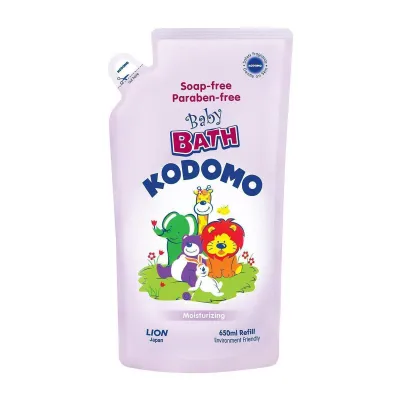
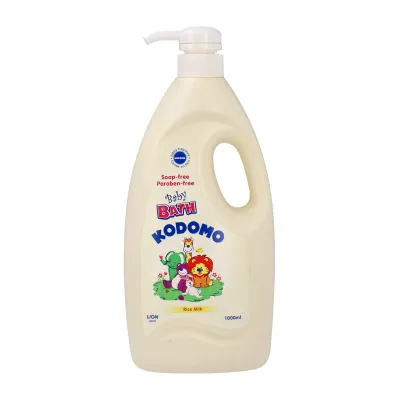
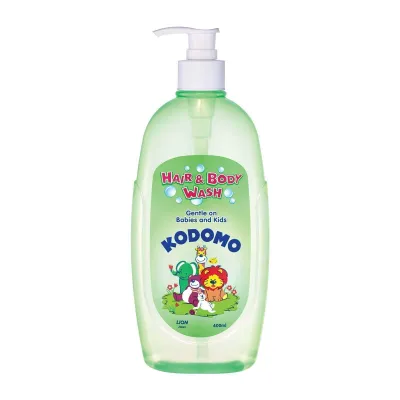
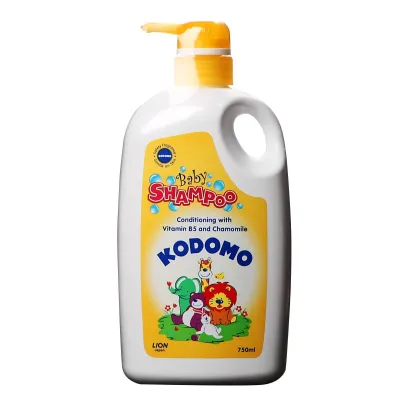
Prices are valid at publication and may change. Please refer to the product page for the latest price.
Instead, the regulatory framework relies on a mandatory notification system. Before any cosmetic product can be imported or sold locally, the company responsible for placing the product on the Singapore market must submit a product notification to the HSA. This notification requires the company to declare the product’s ingredients, manufacturing sources, and compliance with safety guidelines, including the prohibition of restricted or harmful substances.
An HSA notification number signifies that the local distributor has met the baseline legal requirements to sell the product in Singapore. It indicates that the ingredients listed have been declared to the authority and do not violate local cosmetic regulations. However, parents should understand that this notification is an administrative and safety declaration rather than a clinical guarantee. It establishes a baseline for market entry but cannot account for individual skin sensitivities or rare allergic reactions.
Because there is no pre-market testing by the government, the primary responsibility for product safety, quality control, and formulation integrity remains with the manufacturer. Additionally, the local distributor is legally responsible for ensuring the product remains safe throughout its shelf life. The HSA’s role is primarily focused on post-market surveillance. This involves conducting risk-based audits, testing random product samples from retail stores, and monitoring adverse reaction reports submitted by healthcare professionals and consumers. If a product is found to be unsafe or contaminated, the HSA has the authority to order recalls and issue public alerts.
How to Check the Regulatory Status of Kodomo Products
Parents who want to verify the regulatory status of specific Kodomo products can do so independently. The HSA maintains a public database of notified cosmetic products, which is accessible through their official website. By navigating to the cosmetic product search portal, you can search for “Kodomo” to view the list of variants that have been successfully notified for sale in Singapore.

When searching the database, you will see details such as the product name, the country of manufacture, and the name of the local company that submitted the notification. This is a highly effective way to confirm that the specific bottle you purchased has been legally declared to local authorities.
To locate the notification details on the physical product, examine the packaging carefully. While manufacturers are not legally required to print the actual HSA notification number on the bottle, they are required to provide clear labeling in English. This labeling must include the full ingredient list, the batch number, the expiry date or manufacturing date, and the name and address of the local importer or distributor.
If you search the HSA database and cannot find a specific Kodomo product variant, it does not automatically mean the product is counterfeit. It often points to one of the following scenarios:
- Parallel Imports: Many smaller retailers and online marketplaces source genuine products directly from other countries, such as Thailand or Japan, rather than through the authorized Singapore distributor. These parallel imports might not be registered under the standard local distributor's name, or they may not have been notified to the HSA at all, which is a technical violation of local regulations.
- Name Variations: The marketing name on the front of the bottle might differ slightly from the official name registered in the HSA database.
- Discontinued Notifications: If a distributor stops importing a specific formulation, they may allow the notification to lapse, even if some stock remains on store shelves.
To ensure maximum safety, traceability, and compliance, it is best to purchase Kodomo products from reputable, authorized local supermarkets and pharmacies. This guarantees that the product has gone through the proper local notification channels and is backed by a reliable supply chain.
Key Safety Indicators to Look for on Baby Wash Labels
While regulatory notification is a necessary first step, evaluating the actual formulation of a baby wash is essential for protecting your infant’s skin. Baby skin is significantly thinner and more delicate than adult skin, making it highly susceptible to dryness, irritation, and chemical absorption. When shopping for Kodomo or any other baby bath brand, parents should look for specific label claims and understand what they mean.
Many baby products carry the claim “dermatologically tested.” This indicates that the product was tested on human skin under the supervision of a dermatologist to assess its irritation potential. While this is a reassuring indicator, it is not a standardized medical guarantee, as testing protocols can vary widely between manufacturers. “Hypoallergenic” is another common label claim, meaning the product has been formulated to minimize the risk of allergic reactions. However, because any ingredient can theoretically trigger a reaction in a highly sensitive individual, “hypoallergenic” does not mean zero risk.
Another critical factor to consider is the pH level of the product. A healthy baby’s skin barrier is slightly acidic, typically maintaining a pH of around 5.5. This acidity, often referred to as the acid mantle, helps protect the skin from harmful bacteria and prevents moisture loss. Traditional soaps are highly alkaline, which can disrupt this delicate balance and lead to dry, irritated skin. Parents should look for products explicitly labeled as “pH-balanced” or “soap-free,” as these are formulated to cleanse without stripping the skin’s natural protective barrier.
Reading the ingredient list is the most reliable way to assess a product’s gentleness. When evaluating baby washes, consider avoiding or minimizing exposure to the following ingredients:
- Harsh Surfactants: Ingredients like Sodium Lauryl Sulfate (SLS) are highly effective foaming agents but can be incredibly drying and irritating to infant skin. Look for milder, plant-derived cleansing agents instead.
- Synthetic Fragrances: Strong perfumes are among the most common triggers for allergic contact dermatitis. If your baby has sensitive skin or eczema, fragrance-free options are generally preferred.
- Certain Preservatives: Some preservatives, such as parabens or formaldehyde-releasers, are used to prevent bacterial growth but have raised concerns regarding skin sensitivity. Modern baby formulations often use alternative, gentler preservation systems.
How to Safely Introduce New Products and Monitor for Reactions
Even when a product is fully notified to the HSA and formulated with mild ingredients, individual skin sensitivities can still occur. Therefore, introducing any new bathing product to your baby’s routine should be done gradually and with care.
Before using a new Kodomo bath wash or lotion over your baby’s entire body, it is highly recommended to perform a simple patch test. This is a low-risk method to identify potential adverse reactions on a small, controlled area of skin. To conduct a patch test, follow these steps:
- Apply a small, dime-sized amount of the product to a clean area of your baby's skin, such as the inner forearm or behind the ear.
- For rinse-off products like bath washes, leave the product on the skin for approximately two minutes, then rinse it off gently with lukewarm water.
- For leave-on products like lotions, allow the product to absorb naturally.
- Monitor the test area closely over the next 24 to 48 hours for any signs of irritation.
During the monitoring period, look for observable signs of an adverse reaction. These can include localized redness, swelling, tiny raised bumps, dry or peeling patches, or signs that the area is itchy, such as your baby rubbing or scratching the spot. If you observe any of these symptoms, do not proceed with using the product on your baby’s body.
If the patch test is successful and no reaction occurs, you can begin using the product during normal bath times. However, continue to supervise your baby closely. Ensure that bath products, even those labeled “tear-free,” do not get directly into your baby’s eyes or mouth.
If your baby ever develops a persistent rash, widespread redness, extreme dryness, or shows signs of significant discomfort during or after a bath, stop using the product immediately. For mild reactions, rinsing the skin with plain, lukewarm water and applying a gentle, known-safe moisturizer may help. If the symptoms do not improve within a few days, if they spread, or if your baby develops a fever or seems unusually fussy, consult a pediatrician or a pediatric dermatologist for a professional evaluation.
Frequently Asked Questions (FAQ)
Does HSA test every baby wash before it hits the shelves?
No, the HSA does not perform pre-market testing on baby washes or any other cosmetic products. The responsibility for safety testing, formulation integrity, and quality control lies entirely with the manufacturer and the local distributor. The distributor must maintain a comprehensive Product Information File (PIF) that includes safety assessments and toxicological data. This file must be made available to the HSA for review if requested. The HSA’s primary role is post-market surveillance, which includes conducting random audits, testing products already on store shelves, and responding to consumer safety reports to remove non-compliant or hazardous products from the market.
What should I do if my baby reacts to a Kodomo product?
If your baby experiences a skin reaction, stop using the product immediately. Gently rinse the affected area with plain, lukewarm water to remove any remaining residue, and pat the skin dry with a soft towel without rubbing. Take clear photos of the reaction to document its appearance and progression. Keep the product bottle, as the packaging contains the batch number and manufacturing details, which are essential if you need to report the issue. If the irritation is severe, covers a large area of the body, or does not improve after a couple of days, seek professional medical advice from a pediatrician or dermatologist.
Community discussion
Share your experience or ask a question. Comments are reviewed before publication.