
Quick Answer: Toilet Seat Reducer vs Standalone Potty
Choosing the right potty training gear depends on your child’s developmental readiness, your daily schedule, and the physical constraints of your home. A standalone potty is generally the better option for early-stage training, very young toddlers, or children who feel intimidated by the height and loud flush of an adult toilet. Its low height allows toddlers to sit securely with both feet flat on the floor, building initial confidence without the fear of falling.
Conversely, a kids toilet seat reducer is the superior choice for saving bathroom floor space, minimizing daily clean-up, and making the eventual transition to the adult toilet seamless. Because it mounts directly onto your existing toilet, it eliminates the need to manually empty waste bowls and helps your child get used to the standard bathroom setup from day one.
| Feature | Standalone Potty | Kids Toilet Seat Reducer |
|---|---|---|
| Space Required | Dedicated floor space; can clutter small bathrooms | Uses existing adult toilet; requires storage for seat and stool |
| Cleaning Effort | High; requires manual emptying, rinsing, and sanitizing | Low; waste goes directly into toilet, requires simple wiping |
| Transition Ease | Two-step transition; child must relearn adult toilet later | One-step transition; child is already using adult toilet |
| Portability | Bulky; good for room-to-room use, hard for travel | High; foldable models fit easily into diaper bags |
| Best Suited For | Young toddlers (18–24 months), early training stages | Toddlers 2+ years, compact bathrooms, busy parents |
Bathroom Space and Layout: Which Fits Better?
Integrating potty training gear into your home requires a realistic look at your bathroom layout. In Singapore, where many families live in HDB flats or condominiums, bathroom floor space is often at a premium. A standalone potty requires its own dedicated spot on the floor. If your bathroom has a wet layout—where the shower area is not fully enclosed by a glass partition—a standalone potty sitting on the floor can easily get sprayed with water, requiring constant drying to prevent mold growth and slippery surfaces.
Products mentioned in this guide
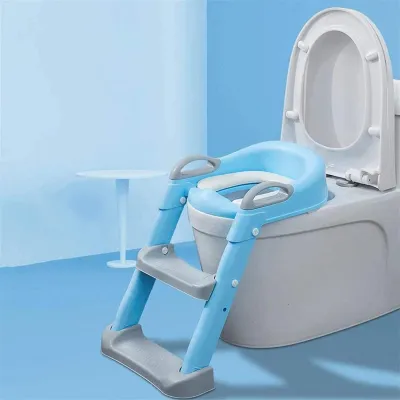
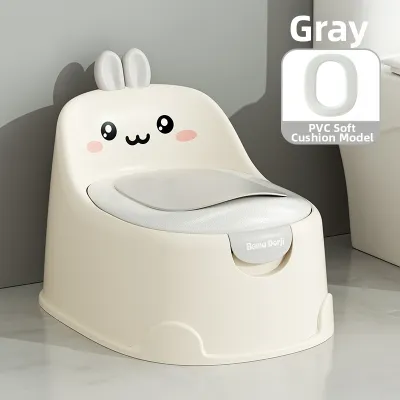
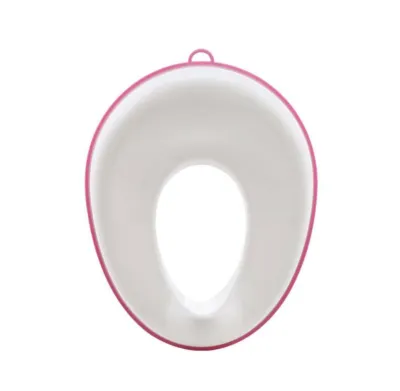
Prices are valid at publication and may change. Please refer to the product page for the latest price.

While a standalone potty can be moved out of the bathroom and into a bedroom or living room during the initial days of training, this setup is not always ideal for maintaining hygiene. Keeping a waste bowl in communal living spaces can lead to accidental spills, especially with active toddlers running around.
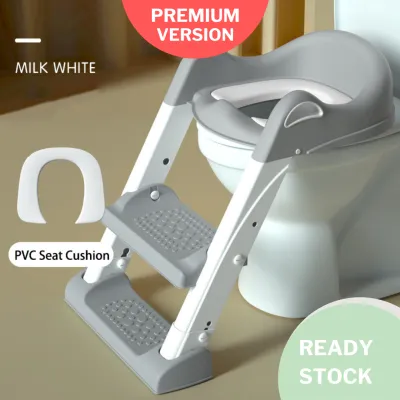
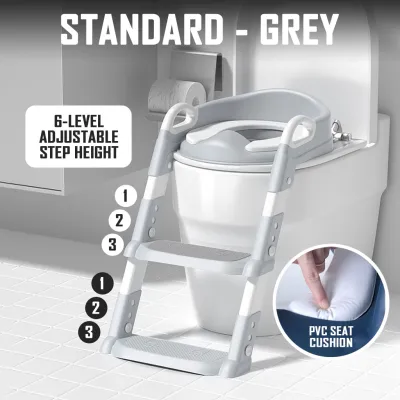
A kids toilet seat reducer completely avoids floor clutter by utilizing the vertical space of your existing toilet. However, because toddlers cannot reach the adult toilet seat on their own, a reducer seat must always be paired with a step stool. Parents must carefully measure their bathroom layout to ensure that a step stool placed in front of the toilet does not block the shower entrance, sink access, or the main bathroom door when in use.
Another spatial consideration is where to store the reducer seat when adults need to use the toilet. Unlike a standalone potty that remains on the floor, a reducer must be removed and placed aside multiple times a day. To keep your bathroom organized, look for reducer models that feature built-in storage hooks, suction cups, or hanging straps, allowing you to hang the seat neatly on the side of the toilet cistern or a nearby wall hook.
Cleaning and Daily Maintenance Effort
The daily maintenance routine of potty training can significantly impact your stress levels. A standalone potty requires a hands-on cleaning process after every single use. Parents must carry the removable waste bowl to the adult toilet, empty the contents, and rinse the bowl in the sink or shower. To maintain proper hygiene, you must regularly sanitize both the removable insert and the plastic base with soap and child-safe disinfectants, which adds several minutes of cleanup to your daily routine.
This manual handling of waste also increases the risk of spills and cross-contamination in your home. Rinsing the waste bowl in a bathroom sink or shower tray requires thorough sanitizing of those fixtures afterward to keep the environment clean for the rest of the family.
In contrast, a kids toilet seat reducer offers a much more streamlined cleaning process. Because the child sits directly over the adult toilet bowl, all waste goes straight into the toilet and is flushed away immediately. There is no manual emptying or rinsing of waste bowls required.
Maintenance for a reducer seat is limited to a quick wipe-down with a disinfectant spray or wipe to keep the surface clean. This setup also provides superior odor control, as waste is disposed of instantly rather than sitting in a plastic bowl until a parent is free to clean it. For busy households, the reduction in daily cleaning steps makes the toilet seat reducer a highly practical long-term option.
Child Comfort, Independence, and Toilet Transition
Understanding how each option affects your child’s physical comfort and psychological readiness is key to a smooth potty training journey.
Overcoming Fear and Building Confidence
For many young toddlers, the adult bathroom can be an intimidating place. Standard toilets are high off the ground, the water in the bowl can look deep, and the loud sound of a flushing toilet can cause sensory overload. A standalone potty sits flat on the floor, making it highly accessible and non-threatening. Because the child’s feet are firmly planted on the ground, they feel secure and in control, which helps reduce anxiety during the early stages of training.
Physical Independence and Step Stools
Using a kids toilet seat reducer encourages physical independence, but it requires the child to climb. To make this process safe, parents must provide a sturdy, non-slip step stool. From an anatomical perspective, having proper foot support is essential for comfortable bowel movements. When a child’s feet dangle, their pelvic floor muscles cannot relax fully, which can lead to straining or constipation. A high-quality step stool allows the child’s knees to be positioned slightly higher than their hips, providing the physical leverage needed for easy elimination.
Transitioning to the Adult Toilet
Using a standalone potty means your child will eventually have to undergo a second transition phase to learn how to use the adult toilet. This secondary transition can sometimes cause temporary regression, as the child must overcome the height and flush fears they avoided initially. A kids toilet seat reducer bypasses this step entirely. By learning on the adult toilet from the start, the child becomes naturally acclimated to the bathroom environment, making the eventual removal of the reducer seat a simple and stress-free milestone.
Portability for Travel and Moving Around the House
Your potty training strategy should account for life outside your main bathroom, whether that means moving around your home or traveling out on weekends.
During the intensive early phases of potty training, speed is critical. Toddlers often realize they need to go only seconds before they do. A standalone potty is highly portable within the home, allowing you to place it in the living room, playroom, or bedroom so your child can reach it instantly. However, carrying a bulky plastic potty on road trips, public transport, or flights is highly impractical.
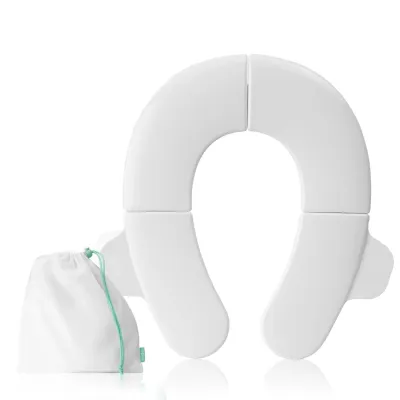
For families who are frequently on the go, a kids toilet seat reducer offers excellent travel advantages. Many models are designed to fold down into a compact size that fits easily into a standard diaper bag or backpack.
Using a portable reducer seat in public restrooms, hotels, or relatives’ houses provides a clean, familiar, and hygienic barrier over unfamiliar toilets. This consistency helps reduce public restroom anxiety for your child, ensuring that your potty training routine remains uninterrupted even when you are away from home.
Cost and Long-Term Value
When evaluating the financial investment of potty training equipment, it is helpful to look at the usable lifespan of each product.
A standalone potty is typically a single, self-contained purchase. Prices in Singapore generally range from S$15 to S$50, depending on the brand and features. While the upfront cost is relatively low, the usable lifespan of a standalone potty is short. Most children outgrow the physical dimensions of a standalone potty within a few months to a year, or they simply refuse to use it once they realize adults use the larger toilet.
A kids toilet seat reducer setup requires a slightly higher initial investment, as you must purchase both the reducer seat (ranging from S$15 to S$40) and a compatible, safe step stool (ranging from S$10 to S$30). However, this combination offers significantly greater long-term value.
A high-quality step stool and reducer seat can be used for several years, supporting your child until they are tall enough to use the adult toilet without assistance. Additionally, the step stool serves a dual purpose, as your child can use it to reach the bathroom sink for handwashing and teeth brushing. To find the best value, check local baby stores or online marketplaces for bundle deals, and verify that replacement parts like non-slip silicone pads or splash guards are readily available.
How to Decide: A Quick Checklist for Parents
To choose the best option for your family, consider this practical decision framework based on your specific household needs.
Choose a standalone potty if:
- Your child is very young (under 24 months) or shows physical hesitation about climbing.
- Your child expresses intense fear of the adult toilet, the flushing sound, or heights.
- You have ample bathroom floor space, or you prefer to start potty training in a common living area for quick access.
- You want a simple, single-item purchase to begin the training process.
Choose a kids toilet seat reducer if:
- Your bathroom layout is compact, such as in a typical HDB flat or condo, and you want to keep floor clutter to a minimum.
- You want to avoid the daily chore of manually emptying and sanitizing a waste bowl.
- Your child eager to mimic adult bathroom habits and wants to use the "big toilet" like the rest of the family.
- You travel frequently on weekends and need a highly portable, hygienic solution for public restrooms.
Before purchasing a kids toilet seat reducer, always verify:
- Toilet Seat Compatibility: Check the shape of your adult toilet seat (O-shaped, U-shaped, or V-shaped) against the manufacturer's specifications to ensure a tight, wobble-free fit.
- Step Stool Safety: Verify the step stool's weight limit, height suitability for your child, and the presence of robust anti-slip rubber grips on both the top surface and the base.
- Supervision and Care: Always read the manufacturer's safety instructions and supervise young children during use to prevent accidental slips or falls.
Frequently Asked Questions (FAQ)
At what age should I introduce a kids toilet seat or standalone potty?
Potty training readiness is developmental rather than strictly age-based. While most children show signs of readiness between 18 months and 3 years of age, you should look for specific physical and cognitive indicators rather than relying on a calendar. These signs include staying dry for two hours or more, communicating the need to go, showing interest in adult bathroom habits, and being able to follow simple instructions. If you have concerns about your child’s physical development or readiness, consult your pediatrician or family doctor for professional guidance.
Can I use both a standalone potty and a toilet seat reducer?
Yes, using a hybrid approach is a highly effective strategy for many families. You can introduce a standalone potty in the early weeks of training to build your child’s confidence in a low-pressure, ground-level environment. Once your child understands the concept of potty training and feels comfortable with the routine, you can introduce the kids toilet seat reducer and step stool to facilitate the final transition to the adult toilet.
What safety features should I look for in a step stool for a toilet seat reducer?
When purchasing a step stool, always verify the safety specifications on the product label. Look for a wide, heavy base that resists tipping, non-slip rubber grips on the bottom feet to prevent sliding on wet bathroom tiles, and a textured, non-slip surface on the steps. The height of the stool should allow your child to climb up easily and sit with their feet resting flat, which supports a healthy squatting posture. Always supervise young children during use to ensure they climb up and down safely.
Community discussion
Share your experience or ask a question. Comments are reviewed before publication.