
Bath time should be a soothing, playful ritual, but soapy water stinging a child’s eyes can quickly turn it into a stressful ordeal. To prevent tears and ensure a secure bathing environment, choosing the right shower cap kids can wear comfortably is a simple yet highly effective strategy. The ideal cap must do more than just block water; it must provide a secure, non-slip fit, consist of non-toxic materials, and offer adjustable sizing to accommodate your growing child. By focusing on ergonomic design and material safety, you can transform hair washing from a daily struggle into a safe, tear-free experience.
In Singapore’s warm climate, daily baths are essential for keeping toddlers clean and refreshed. However, a poorly designed bath visor can introduce unexpected hazards, from skin irritation to sudden slips in the tub. Understanding what makes a shower cap safe allows you to make an informed choice that protects your child’s eyes, ears, and overall well-being.
Signs Your Child's Current Shower Cap Is Unsafe
Many parents purchase a basic bath visor without realizing that a poorly fitting or degrading cap can pose physical and behavioral risks. One immediate red flag is a loose elastic band that slips over your child’s eyes. When a cap slides down, it blocks their vision, causing instant panic. A panicking child is highly likely to stand up, slip, or thrash around in a wet bathtub, significantly increasing the risk of fall-related injuries.
Products mentioned in this guide
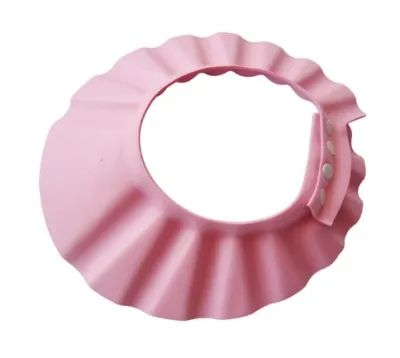
![[SG STOCK] Adjustable Baby Shampoo Bath Shower Cap Hat For Babies Kids and Children Wash Hair Shield Face](https://img.lazcdn.com/g/p/e04506701bf872b31da4074345285ca5.jpg_400x400q80.jpg_.webp)
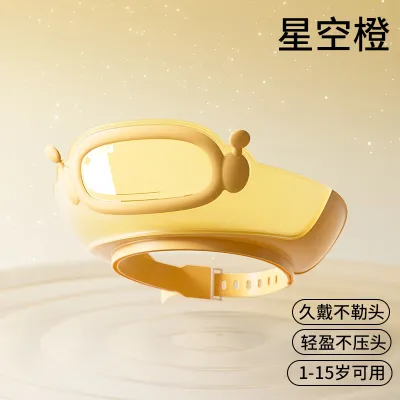
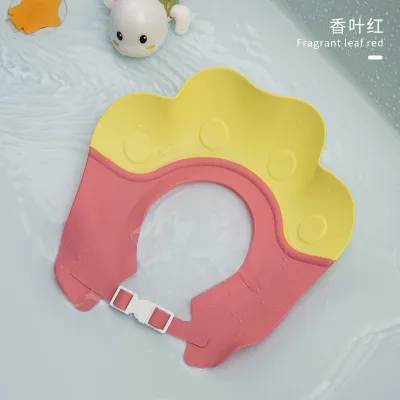
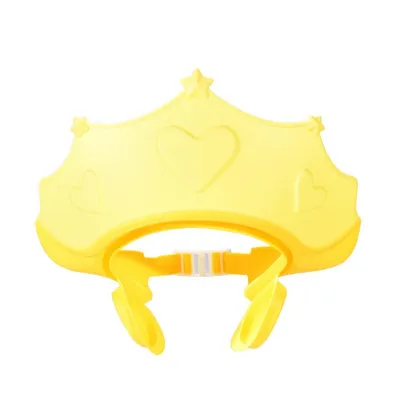
![[𝐒𝐆 𝐒𝐞𝐥𝐥𝐞𝐫] BabySPA Swimming Shower Cap Accessories for Babies and Kids](https://img.lazcdn.com/g/p/161deabe15e01e04cba560942408a91d.png_400x400q80.png_.webp)
Prices are valid at publication and may change. Please refer to the product page for the latest price.
Conversely, a tight cap presents its own dangers. Stiff elastic bands leaving deep red indentations on your child’s forehead or temples restrict local blood circulation. This pressure causes discomfort, headaches, and localized skin irritation. Over time, these painful pressure points make your child associate bath time with discomfort, leading to severe behavioral resistance.
Another critical hazard is mold and mildew accumulation, which is common in Singapore’s humid bathrooms. Cheaply made shower caps often feature deep stitched seams or fabric linings that trap water. If you spot black or grey spots along the inner rim, discard the cap immediately. Placing a mold-contaminated item directly onto your child’s scalp can trigger skin allergies, rashes, or eczema flare-ups.
Pay close attention to your child’s behavioral cues. If they constantly pull the cap off, cry, or complain of pinching and itching, the cap fails to meet their sensory needs. Ignoring these signals makes bath time difficult and increases the risk of soapy water splashing into their eyes when they yank the cap off mid-rinse.
Essential Safety Features of a Shower Cap for Kids
When shopping for a shower cap kids can wear safely, it is easy to get distracted by cute cartoon designs, bright colors, or novelty animal shapes. While these visual elements can help encourage a reluctant toddler, they should never take precedence over structural integrity and safety features. A reliable shower cap must be evaluated as a functional piece of safety gear rather than a toy.

The right shower cap must strike a perfect balance between efficient water deflection and gentle skin contact. It needs to remain firmly in place even when subjected to the weight of running water, without causing any pain or pressure. To find a model that meets these high standards, parents should carefully evaluate three core structural components: material composition, edge design, and adjustability.
Soft, Non-Toxic, and Easy-to-Clean Materials
The materials that come into direct contact with your child’s delicate scalp must be thoroughly vetted. Always check the product packaging or manufacturer specifications to verify that the shower cap is certified free from BPA, phthalates, lead, and PVC. These harmful chemicals can leach out when exposed to warm bath water, posing unnecessary health risks to your developing child.
Instead of rigid, low-grade plastics that can easily crack, warp, or pinch the skin, opt for high-quality materials like soft EVA (ethylene-vinyl acetate) foam or premium food-grade silicone. Food-grade silicone is exceptionally gentle, hypoallergenic, and highly flexible, allowing it to contour smoothly to the shape of the head. EVA foam is incredibly lightweight and buoyant, making it comfortable for younger children who might feel weighed down by heavier materials.
Hygiene is equally important when evaluating materials. Look for seamless, single-piece designs or caps with smooth, non-porous surfaces that do not have hidden crevices where water can pool. To prevent mold growth, always refer to the manufacturer’s care instructions. Most high-quality silicone or EVA caps simply require a quick rinse with clean water and should be hung to dry completely in a well-ventilated area outside the humid shower zone.
Secure, Non-Slip, and Gentle Edges
The brim of the shower cap plays a dual role: it must channel water away from the face while remaining structurally stable. The ideal brim angle should tilt slightly upward or outward, acting like a gutter to direct water and shampoo suds to the sides and back of the head. However, the brim must remain flexible; if your child accidentally bumps their head against the tub or faucet, a soft, pliable brim will bend safely rather than poking or scratching them.
Equally crucial is the design of the inner grip that contacts the forehead. A safe shower cap should hold onto wet hair and skin securely without relying on aggressive, painful tension. Avoid caps that use sharp silicone teeth or rough, textured plastic ridges to stay in place, as these can scrape the scalp or pull on fine baby hair.
Before making a purchase, physically feel the inner edge of the cap if possible, or read verified user reviews focusing on skin sensitivity. The inner band should feel completely smooth, velvety, or softly rubberized. It should create a gentle, uniform seal around the hairline, relying on surface friction and precise contouring rather than raw squeezing force to prevent water from leaking through.
Adjustable Fit and Proper Coverage
Children grow rapidly, and a shower cap that fits perfectly one month may become dangerously tight the next. This is why choosing a cap with an adjustable fit is far safer than relying on “one-size-fits-all” models. Non-adjustable elastic bands are notoriously unreliable; they are either too loose on smaller heads, causing them to slip down and block the child’s airway or eyes, or too tight on larger heads, creating painful pressure points.
Look for caps featuring secure adjustment mechanisms such as multi-position snap buttons, adjustable toggles, or soft hook-and-loop fasteners. Snap buttons are particularly durable and cannot be easily pulled apart by a curious toddler during a bath. An adjustable mechanism allows you to customize the circumference precisely to your child’s current head size, extending the product’s safe and useful lifespan.
When adjusted correctly, the cap must sit comfortably above the eyebrows and ears. It should provide complete coverage across the forehead and temples without compressing the delicate temporal bones or restricting the child’s natural breathing. If you have to stretch the cap to its absolute limit to put it on, it is time to upgrade to a larger size to avoid safety hazards.
How to Perform a Safe Fit Test at Home
Before introducing a new shower cap to the actual bath time routine, it is highly recommended to perform a controlled fit test in a dry, stress-free environment. This simple process ensures the cap is safe, comfortable, and adjusted correctly before water is introduced, preventing mid-bath panic.
Positioning and the Two-Finger Rule Place the cap on your child’s head while they are sitting comfortably in a dry room. Gently slide the inner band so it rests just above the eyebrows in the front, and slightly lower at the back of the head, just below the occipital bone. Ensure all hair is pulled back and away from the inner seal, as trapped hair can cause water leaks. Once secured, check the tension of the band. You should be able to comfortably slide two of your fingers flat underneath the front and sides of the band. If you cannot fit your fingers without forcing them, the cap is adjusted too tightly and must be loosened immediately to prevent headaches and restricted circulation.
Checking Brim Clearance and Vision Ask your child to look straight ahead, look down at a toy, and turn their head from side to side. Observe the front brim of the cap. It must remain structurally stable and should not droop, sag, or slide down into their line of sight. If the brim flops downward when wet or when they move, it poses a vision obstruction hazard.
Conducting a Dry Run Encourage your child to wear the cap during normal playtime for about 5 to 10 minutes. Use this time to observe their behavior closely. Look for any signs of sensory distress, such as scratching at the band, pulling at the cap, or facial grimacing. After removing the cap, inspect their forehead and temples; if you see deep, persistent red marks that do not fade within a couple of minutes, the fit is unsafe.
Complementary Bathroom Safety Checks for Kids
While finding the perfect shower cap significantly improves bath time comfort, it is vital to remember that a shower cap is only one small component of a comprehensive bathroom safety strategy. No product can replace the absolute necessity of active, uninterrupted adult supervision. A child can slip or drown in a matter of seconds in extremely shallow water; therefore, a caregiver must remain within arm’s reach at all times, keeping their eyes on the child without distraction from mobile phones or other household tasks.
To prevent dangerous slips and falls—which are highly common when children get excited or startled during hair washing—you should make key environmental modifications to your bathroom. Install high-quality, textured non-slip bath mats inside the bathtub or shower floor to provide secure traction for tiny feet. Additionally, place a thick, non-slip towel or bath rug directly on the dry bathroom floor outside the tub to prevent slips when your child steps out after their bath.
Water temperature management is another critical safety factor. Before placing your child in the bath, always verify the water temperature to prevent accidental scalds. While a shower cap keeps water out of the eyes, warm water can still splash onto the rest of the body. Use a reliable digital bath thermometer to ensure the water is safe, or perform a manual check using the sensitive skin on your wrist or the inside of your elbow. The water should feel comfortably warm, never hot, ensuring a safe and pleasant bathing environment.
Frequently Asked Questions (FAQ)
At what age can a child safely use a shower cap?
A child’s readiness to use a shower cap depends on their physical development, head size, neck strength, and individual sensory tolerance rather than a strict chronological age. Generally, infants and very young toddlers do not require shower caps. Their hair is typically sparse, and careful, slow pouring techniques using a specialized rinse cup—while gently tilting their head back—are usually sufficient and much safer.
If you do decide to introduce a shower cap, wait until your child can sit up independently with strong neck control and can communicate physical discomfort. Always check the manufacturer’s packaging for specific age recommendations and head circumference measurements. Never force a young toddler to wear a cap if they show extreme distress, as this can increase the risk of accidents during bath time.
Can a shower cap prevent water from getting into a child's ears?
Standard kids’ shower caps are primarily designed to deflect water and shampoo away from the face, eyes, and nose; they are not engineered to create a watertight seal over the ear canals. Attempting to pull a standard cap down tightly over your child’s ears is highly discouraged. This can cause significant physical discomfort, put painful pressure on the ear cartilage, and actually trap water inside the ear if any leaks past the seal.
If your child has a medical condition, such as ear tubes, or is highly prone to swimmer’s ear and requires absolute dryness, standard shower caps are insufficient. Instead, consult your pediatrician or look for dedicated pediatric ear protection. Soft, moldable silicone earplugs designed specifically for children, or neoprene swimmer’s ear bands, are much safer and more effective solutions for preventing water entry.
Community discussion
Share your experience or ask a question. Comments are reviewed before publication.