
Selecting the right kids potty seat is a foundational step in your child’s transition from diapers to independent toilet use. The ideal seat provides a secure, physically supportive environment that accommodates a toddler’s unique anatomy and developmental stage. Because potty training requires consistency and confidence, choosing a seat that minimizes physical discomfort and fear is essential for preventing training resistance or regressions.
To make an informed purchase, you must evaluate several critical dimensions: the physical design of the seat, its stability on your specific bathroom surfaces, the ease of sanitization, and how well the equipment matches your child’s current motor skills. Additionally, your home’s layout and your family’s daily routines will dictate whether a freestanding unit, a toilet seat insert, or a portable travel model is the most practical choice. By focusing on structural safety and ergonomic support, you can establish a hygienic, stress-free routine that encourages your child’s independence.
Choosing the Right Type of Potty Seat for Your Bathroom and Child
Potty seats generally fall into three primary categories, each serving different stages of physical readiness and varying bathroom configurations. Understanding the distinct advantages and spatial requirements of each type will help you narrow down the options to find the best fit for your home.
Products mentioned in this guide
![[SG Stock] Baby Foldable Travel Potty Seat Kids Fodling Toilet Training Seat 12M+](https://img.lazcdn.com/g/p/b7242f67fbb9b3f1ec1e2753750fe534.jpg_400x400q80.jpg_.webp)
Prices are valid at publication and may change. Please refer to the product page for the latest price.
Freestanding Potty Chairs
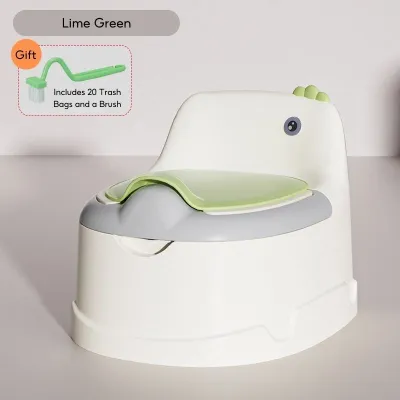
Freestanding potty chairs are self-contained units that sit directly on the floor. These chairs are highly recommended for toddlers who are in the initial stages of potty training because they offer a low center of gravity and excellent physical stability.
- Anatomical Alignment: Sitting on a low chair allows your child to plant their feet firmly on the floor. This posture naturally elevates the knees slightly above the hips, creating the optimal squatting angle that relaxes the pelvic floor muscles for easier bowel movements.
- Psychological Comfort: Having a dedicated, kid-sized "mini toilet" reduces the intimidation factor associated with the large, noisy adult toilet. Toddlers can easily sit down and stand up without assistance, which fosters a sense of ownership and autonomy.
- Spatial Considerations: In typical Singapore apartments, such as compact HDB flats, bathroom floor space is often limited. Because freestanding chairs have a larger physical footprint, you must consider where the unit will sit. Additionally, because Singapore's high humidity and wet bathroom layouts can make floor surfaces damp, you may need to place the freestanding potty in a dry bedroom or hallway during the initial training phase to keep the unit clean and dry.
Toilet Seat Reducers (Inserts)
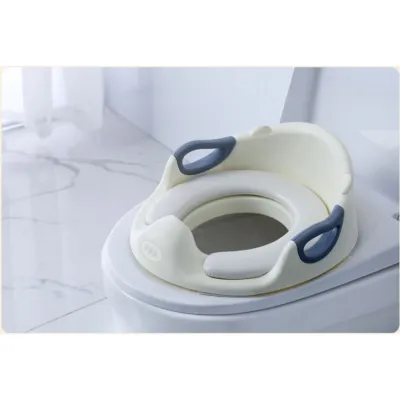
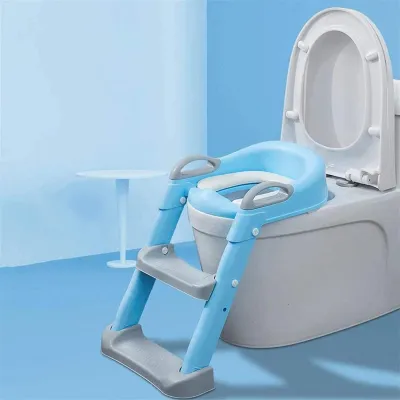
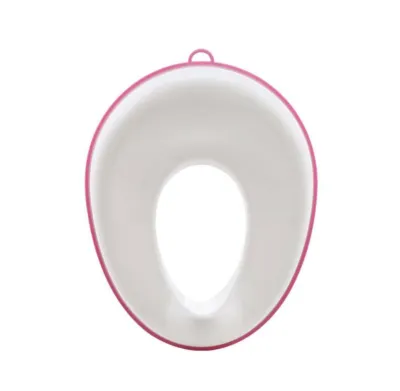
Toilet seat reducers, also known as potty inserts, are contoured rings that fit directly over your existing adult toilet seat. They narrow the toilet opening to prevent your child from feeling like they might slip or fall into the water.
- Eliminating Fear: The fear of falling into the toilet bowl is a common source of anxiety for toddlers. A snug-fitting reducer ring provides a secure, scaled-down opening that makes the adult toilet feel safe and accessible.
- Space-Saving Design: Unlike freestanding chairs, seat reducers require virtually no floor space. They are highly efficient for small bathrooms, as they can be hung on a wall hook or placed beside the toilet tank when not in use.
- Streamlined Transition: Using an insert helps your child get used to the height, sights, and sounds of the family bathroom from the very beginning. This eliminates the secondary transition phase of moving from a floor potty to the adult toilet.
- Step Stool Dependency: A seat reducer must always be paired with a sturdy step stool. Without a stool, your child's legs will dangle, which causes muscle tension in the lower body and makes elimination difficult. A step stool also allows your child to climb onto the toilet independently.
Foldable and Travel Potty Seats
For families who are frequently on the go, travel potty seats offer a portable solution to maintain training consistency outside the home.
- Consistency Across Environments: Toddlers thrive on routine. Having a familiar, portable seat when visiting relatives, running errands, or navigating public restrooms in shopping malls helps prevent public toilet anxiety.
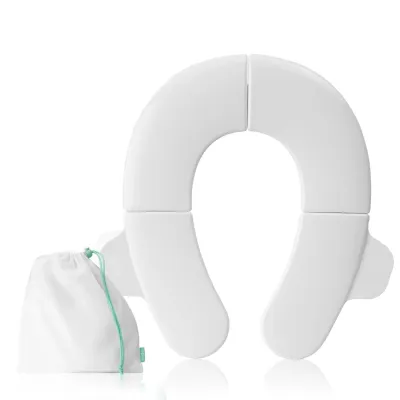
- Compact Portability: These seats are designed to fold down into a compact shape that fits easily into a diaper bag or stroller basket. Many models feature integrated folding joints that lock securely into place during use.
- Verification of Fit: While many manufacturers claim their travel seats have a universal fit, you must verify these claims against your specific toilet bowl shape. Some travel inserts can slide or wobble on modern square-shaped or highly elongated toilet seats, so checking the dimensions and locking mechanisms beforehand is essential for safety.
Essential Design Features to Evaluate Before Buying
Once you have decided on the style of potty seat, you must examine the specific design features that impact daily usability, safety, and hygiene. High-quality construction and thoughtful design make the training process smoother for both you and your child.

Stability and Non-Slip Elements
Physical stability is the most critical safety feature of any potty seat. If a seat slips, wobbles, or tips over when a child attempts to sit down, the resulting fright can cause a significant setback in their training progress.
- Base Grips: For freestanding potty chairs, look for models that feature a wide, flared base lined with non-slip rubber or thermoplastic elastomer (TPE) molding. This prevents the chair from sliding when your child backs up to sit down.
- Under-Seat Fasteners: For toilet seat reducers, look for adjustable bottom brackets, rubberized rims, or tension dials that lock the insert firmly against the adult toilet seat. The insert should not shift even if your child wiggles or leans forward.
- Floor Surface Compatibility: Consider your bathroom flooring. Smooth ceramic tiles become highly slippery when wet. Ensure that any step stool or potty chair you select has deep rubberized tread pads on the bottom to grip damp bathroom floors securely.
Ergonomics and Physical Support
Toddlers may need to sit on the potty for several minutes at a time. Proper physical support ensures they remain comfortable and relaxed throughout the process.
- High Backrests: A raised backrest provides essential spinal support, helping young toddlers maintain an upright, stable posture without tiring.
- Contoured Seating: Look for seats with a wide, ergonomically contoured surface that distributes your child's weight evenly. This prevents pressure points and leg numbness during longer sits.
- Built-In Handles: Integrated side handles or grab bars give children a physical anchor to hold onto. Gripping these handles helps toddlers stabilize their core muscles, which aids in bowel elimination, and provides reassurance if they feel off-balance.
Splash Guards and Containment
Effective liquid containment is crucial for keeping your bathroom clean and minimizing the chore of wiping down surrounding surfaces.
- Deflection Height: A raised splash guard at the front of the seat is essential for deflecting urine downward into the bowl. This is particularly important for boys, but it is also highly beneficial for girls to prevent forward sprays.
- Anatomical Fit: The splash guard should be high enough to contain liquid but not so high or rigid that it obstructs your child when they try to sit down or climb off the seat. Look for integrated, gently rounded guards rather than sharp, clip-on attachments that can cause discomfort.
- Deep Catchment Bowls: For freestanding models, ensure the inner bowl has a high capacity and deep basin to prevent liquid from splashing back or overflowing during use.
Ease of Cleaning and Maintenance
Potty training involves frequent cleanups. A poorly designed seat with hard-to-reach areas can quickly become a hygiene hazard.
- Removable Inner Bowls: If choosing a freestanding chair, select a model with an inner bowl that lifts out easily from the top. This allows you to carry only the soiled bowl to the adult toilet for emptying and rinsing, rather than moving the entire chair.
- Seamless Construction: Examine the plastic surfaces closely. Avoid seats with complex joints, decorative crevices, fabric cushions with stitched seams, or exposed screw holes. Urine can easily seep into these areas, creating breeding grounds for bacteria and persistent odors that are nearly impossible to clean.
- Smooth Materials: High-density, non-porous plastic with a smooth finish is the easiest to wipe down and sanitize. Avoid soft foam cushions that can crack or peel over time, exposing absorbent foam underneath.
Portability and Storage Solutions
Your potty seat should integrate seamlessly into your household without causing clutter or inconvenience for other family members.
- Lightweight Materials: A lightweight seat allows your toddler to eventually participate in the routine by fetching and positioning their own seat, which builds confidence and independence.
- Hanging Loops and Hooks: Many high-quality seat reducers feature built-in loops or stand-up bases. This allows you to hang the seat on a dedicated adhesive hook on the side of the toilet tank or bathroom wall, keeping the floor clear and the seat within easy reach.
- Integrated Carry Handles: Built-in handles make it easy to transport a freestanding potty from room to room, especially during the early days of training when you want the potty close to where your child is playing.
Matching Potty Seat Features to Your Child's Development Stage
Children develop physical coordination, balance, and communication skills at different rates. Aligning the features of a potty seat with your child’s specific developmental milestones is crucial for a positive training experience.
Assessing Physical Readiness
Before purchasing a potty seat, observe your child’s physical abilities to ensure they can use the equipment safely.
- Core Stability: Your child must be able to sit upright unassisted and maintain their balance without leaning heavily to one side.
- Motor Skills: Verify that your child has the coordination to walk to the potty, turn around, and lower themselves onto the seat. If using a seat reducer, they must have the motor skills to climb a step stool safely and turn around to sit.
- Communication: Your child should be able to understand simple instructions and express their physical needs, either verbally or through clear gestures, before you introduce a structured potty routine.
Adjustability for Growing Toddlers
Because toddlers grow rapidly, selecting adjustable or modular equipment can extend the lifespan of your purchase and provide better ergonomic support.
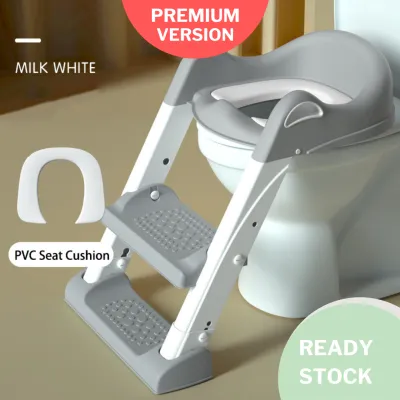
- Modular 3-in-1 Systems: Some potty seats are designed to transition with your child. These systems start as a freestanding potty chair, convert into a toilet seat reducer, and feature a base that flips over to become a sturdy step stool. This modularity offers excellent long-term value.
- Adjustable Step Stools: If you are using a seat reducer, look for step stools with adjustable height settings. This allows you to lower the step as your child's legs grow, ensuring their feet remain supported and their knees stay at the correct angle over time.
Transitioning Between Seat Types
Knowing when to move from a freestanding potty to a toilet seat reducer depends on your child’s comfort levels and physical growth.
- Physical Height: If your child has grown tall enough that their knees are bent at an uncomfortably sharp angle on a low freestanding potty, it is time to transition to a seat reducer on the adult toilet.
- Confidence Levels: If your child shows interest in using the "big toilet" like family members, take advantage of this curiosity by introducing a seat reducer paired with a step stool.
- Handling Regressions: If your child becomes anxious or refuses to use the adult toilet after a transition attempt, do not force the issue. Temporarily return to the freestanding potty to rebuild their confidence before trying again.
Sensory and Engagement Features
While it can be tempting to choose potty seats with flashing lights, musical rewards, or electronic sound effects, these features can sometimes hinder the training process.
- Avoiding Distractions: Electronic features can distract your child from the primary task. Instead of focusing on their body's internal physical cues, they may view the potty as a toy, leading to prolonged sitting without elimination.
- Simple Engagement Tools: Opt for non-electronic engagement methods. A small built-in pocket for holding a favorite book, or a simple paper reward chart placed on the bathroom wall, can provide positive reinforcement without creating a sensory distraction.
Safety, Hygiene, and Daily Maintenance Guidelines
Maintaining a clean, safe potty training environment is essential for your child’s health and the longevity of the equipment. Always prioritize manufacturer guidelines and establish a consistent cleaning routine.
Material Verification and Labels
Before buying, verify the chemical safety and structural limits of the product to protect your child.
- Chemical Safety: Check the manufacturer's packaging and labels to ensure the plastic is certified BPA-free, phthalate-free, and lead-free. This is particularly important since the seat comes into direct contact with your child's skin.
- Weight and Height Limits: Always check the explicit weight and height limits specified by the brand. Do not rely on general age guidelines, as children of the same age can vary significantly in size. Ensure your child falls well within the safe operating limits of the seat and step stool.
Proper Cleaning Routines
Regular sanitization prevents the buildup of bacteria and keeps the potty seat looking and smelling fresh. However, using the wrong cleaning agents can damage the equipment.
- Mild Detergents: Wash the potty seat daily using warm water and a mild, child-safe detergent or dish soap. This is sufficient for removing waste residue without exposing your child to harsh chemical residues.
- Avoid Harsh Chemicals: Do not use highly concentrated bleach, ammonia, abrasive scouring powders, or aerosol disinfectants unless specified as safe by the manufacturer. These chemicals can degrade the plastic polymer, making it brittle and prone to cracking.
- Temperature Limits: Never use boiling water to clean or sanitize a plastic potty seat. Excessive heat can warp the plastic, compromise the non-slip rubber seals, and destroy the structural integrity of the seat.
- Thorough Drying: After washing, wipe the seat down with a clean towel and allow it to air dry completely. Pay close attention to the underside crevices and rubber grips, as trapped moisture can lead to mold and mildew growth.
Supervision and Usage Boundaries
No potty seat or step stool is entirely fall-proof. Establishing clear safety boundaries is vital for preventing accidents.
- Active Supervision: Always maintain active adult supervision while your child is using the potty seat, especially when they are climbing onto or sitting on a high toilet seat reducer. Do not leave your child unattended in the bathroom.
- Structural Inspections: Regularly inspect the potty seat and step stool for signs of wear. Check for hairline cracks, stress marks (where the plastic turns white), loose joints, or worn-down non-slip rubber pads.
- When to Discontinue Use: If you observe any physical damage, structural instability, or if your child exceeds the manufacturer's weight limit, discontinue use immediately and replace the equipment to prevent falls or pinches.
Frequently Asked Questions (FAQ)
At what age should I introduce a potty seat?
There is no single correct age to introduce a potty seat, as readiness is determined by developmental milestones rather than chronological age. Most children show signs of readiness between 18 and 36 months. Look for physical and behavioral indicators, such as staying dry for two or more hours during the day, waking up dry from naps, showing interest in the bathroom habits of family members, and being able to follow simple two-step instructions.
Do I need a splash guard on a kids potty seat?
Yes, a splash guard is highly recommended for both boys and girls. It plays a vital role in directing urine downward into the bowl, preventing messy spills onto your bathroom floor and clothes. When selecting a seat, look for an integrated, moderately raised splash guard that is high enough to deflect liquid effectively, but gently rounded so it does not interfere with your child’s ability to sit down or stand up comfortably.
How do I clean a potty seat to prevent odors?
To prevent lingering odors and bacteria buildup, establish a prompt cleaning routine. Empty the contents of the potty into the adult toilet immediately after use. Rinse the inner bowl with warm, soapy water, and wipe down all surfaces with a mild, child-safe cleaner. Pay close attention to the underside of the seat and any rubberized non-slip grips, as these areas can trap moisture and waste. Ensure the seat is completely dry before storing it, as dampness in enclosed spaces can lead to mold growth.
Community discussion
Share your experience or ask a question. Comments are reviewed before publication.