
Selecting the right mattress firmness for your child is a foundational step in supporting physical development and ensuring safe sleep. Unlike adults, who often choose mattresses based purely on personal comfort, children require specific levels of resistance to support their rapidly growing bones. The ideal firmness level shifts as your child grows, moving from an ultra-firm surface during infancy to a more contouring, medium-firm feel as they transition into school-age years.
Why Firmness Matters for Your Child's Spinal Support
To understand mattress construction, it is helpful to distinguish between core structural support and surface comfort. Core support, often provided by dense foam or coils, keeps the spine in neutral alignment. Surface comfort refers to the top layers of padding that cushion pressure points. For a growing child, a mattress lacking adequate core support can cause the hips and shoulders to sink too deeply, leading to unnatural spinal curvature.
An overly soft sleeping surface poses severe risks, particularly for younger children. For infants, soft bedding is a safety hazard that can lead to accidental suffocation if they roll onto their stomachs. For older children, a mattress with too much sinkage fails to support the natural curve of the spine, which can lead to morning stiffness and disrupted sleep.
Products mentioned in this guide
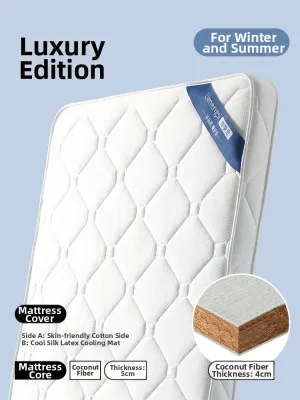
![[Inence] Customized Mattress Student Dormitory Children Floor Bunk 50607075808590110 * 170 * 180 * 19014 xfFi](https://img.lazcdn.com/g/p/5bd9c3046be573bd3fbf21dbf2e6a150.jpg_webp_400x400q80.jpg_.webp)
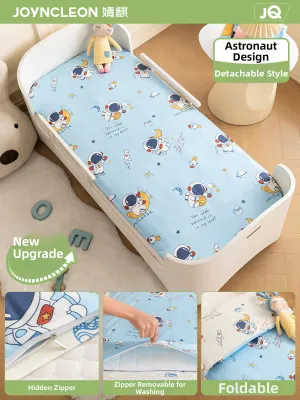

Prices are valid at publication and may change. Please refer to the product page for the latest price.
Conversely, a mattress that is excessively rigid is not the universal solution either. If a mattress has no surface give, it can create uncomfortable pressure points for older or heavier children. This discomfort often leads to frequent tossing and turning, preventing your child from reaching the deep, restorative stages of sleep necessary for healthy growth.
Matching Firmness to Age and Developmental Stage
A child’s sleep needs are dynamic, meaning a single mattress setup will not suit them from birth through adolescence. As your child transitions from a crib to a toddler bed, and eventually to a standard single mattress, the structural demands on their bed will change.

Because every child develops at a different rate, you should always cross-reference general age recommendations with the specific mattress manufacturer’s safety guidelines. Checking the manufacturer’s documentation ensures the mattress is rated for your child’s current weight and developmental stage.
Infants and Toddlers (Crib and Toddler Beds)
For infants, the rule for mattress firmness is absolute: the surface must be highly firm and completely flat. This rigidity is crucial because babies lack the motor skills and head control to lift themselves if they turn face down on a soft surface. A firm mattress provides the resistance needed as they learn to roll over, push up, and eventually stand.
When setting up a crib or toddler bed, always check that the mattress fits the frame snugly. There should be no gaps wider than two fingers between the mattress edge and the crib rails, as these gaps present entrapment hazards. Always verify that the product label explicitly states compliance with local safety standards for infant sleep surfaces.
Many parents opt for dual-firmness mattresses to extend the lifespan of their purchase. These models feature a highly firm side engineered for infants and a slightly softer, more cushioned side designed for toddlers. If you choose this option, verify the manufacturer’s instructions to identify exactly when it is safe to flip the mattress to the toddler side.
Preschoolers and School-Age Children
As children grow into preschoolers and school-age students, their bodies become heavier and their skeletal structures begin to mature. During this stage, they require a mattress that offers a balance of core support and gentle surface contouring to accommodate their changing sleep positions.
A medium-firm mattress is generally the recommended starting point for this age group. This level of firmness provides enough resistance to keep the spine aligned while offering a comfortable cushion for the shoulders and hips. However, the actual feel of a medium-firm mattress will depend heavily on your child’s individual weight and build.
Before purchasing a larger mattress, such as a single or super single size, review the manufacturer’s stated weight limits and recommended age ranges. Some mattresses designed specifically for children have lower weight capacities than standard adult mattresses, which can affect how long the mattress remains supportive.
Adjusting for Weight, Sleep Position, and Materials
A child’s physical build directly influences how they perceive mattress firmness. A lighter child does not compress the comfort layers of a mattress very much, meaning a standard medium-firm mattress may feel incredibly rigid to them. If your child has a lighter build, they may require a slightly softer comfort layer to prevent pressure points, provided the core support remains strong.
Sleep positions also play a role in determining the ideal mattress feel. Children who primarily sleep on their sides often need a mattress with a bit more surface give to cushion their shoulders and hips, keeping their spine straight. Back and stomach sleepers generally benefit from a firmer surface that prevents the midsection from sagging.
Understanding mattress materials can help you make an informed choice. Innerspring mattresses offer traditional, responsive support and excellent airflow, which is highly beneficial in Singapore’s warm, humid climate. High-density foam mattresses provide excellent pressure relief and contouring, but you must verify the foam density specifications to ensure the mattress will not sag prematurely under your child’s weight.
How to Verify Firmness and Safety Specs Before You Buy
When shopping for a child’s mattress, look past marketing buzzwords like “orthopedic” or “pediatric-approved,” which are often unregulated terms. Instead, focus on verifiable specifications provided by the manufacturer. Check the product documentation for the exact firmness rating, maximum weight capacity, and the density of any foam layers used.
Safety and emissions certifications are critical details that you must verify on the product label. Look for recognized independent certifications that indicate the materials have been tested for harmful substances and low chemical emissions. This is especially important for children, who spend up to half their day in close contact with their mattress.
If possible, visit a local showroom in Singapore to let your child test the mattress in person. Have them lie down in their typical sleep position for several minutes to check for comfort and alignment. If you are purchasing from an online retail store, carefully verify the trial period and return policy so you can assess the mattress’s suitability in your own home without financial risk.
Frequently Asked Questions (FAQ)
Can I use a soft mattress topper to adjust the firmness?
You must never use a soft mattress topper for infants or toddlers, as any loose or highly cushioned bedding increases the risk of suffocation. For older children, a topper can temporarily soften a mattress that feels too rigid, but it cannot fix a mattress that has begun to sag. If the core support of the mattress is compromised, adding a topper will not restore proper spinal alignment.
How often should I reassess my child's mattress firmness needs?
You should inspect your child’s mattress periodically, particularly during major growth spurts or when they transition to a new developmental stage. Look for observable signs of poor support, such as visible sagging in the center, indentations that do not recover, or if your child complains of waking up with stiffness or back discomfort. If the mattress no longer supports a neutral spine or if your child has exceeded the manufacturer’s weight limit, it is time to replace it.
Community discussion
Share your experience or ask a question. Comments are reviewed before publication.