
Choosing the right laundry detergent for your child’s clothes involves looking past colorful packaging and focusing on the ingredient list. Children’s skin is thinner and more permeable than adult skin, making it highly susceptible to irritation from chemical residues left on fabrics. In warm, humid climates, sweat can reactivate these lingering chemicals, leading to redness, itching, or flare-ups of sensitive skin conditions. To protect your child’s skin, it is essential to identify specific irritants commonly found in standard detergents and learn how to select safer, gentler alternatives.
Common Ingredients to Avoid on Kids Laundry Liquid Labels
Synthetic fragrances are frequently associated with skin irritation and contact dermatitis in children. Manufacturers often use phthalates to make these scents last longer on fabrics, but these chemicals can easily transfer to a child’s skin through daily wear. It is crucial to understand the difference between “fragrance-free” and “unscented” labels. A truly fragrance-free product contains no added scent chemicals, whereas an unscented product may actually contain masking fragrances designed to neutralize the chemical smell of other ingredients, potentially still causing skin irritation.
Optical brighteners are synthetic chemicals designed to absorb ultraviolet light and emit blue light, making fabrics appear whiter and brighter. These chemicals do not actually clean the clothes; instead, they are engineered to remain embedded in the fabric fibers after rinsing. Constant contact with these residues can irritate sensitive skin. Similarly, synthetic dyes are added purely for aesthetic appeal and serve no cleaning purpose, posing an unnecessary risk of skin sensitization.
Products mentioned in this guide
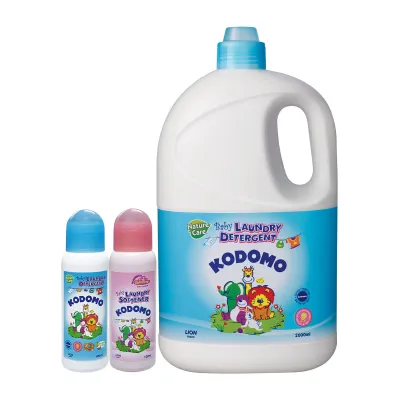
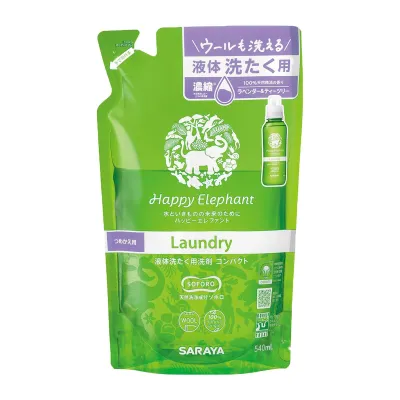
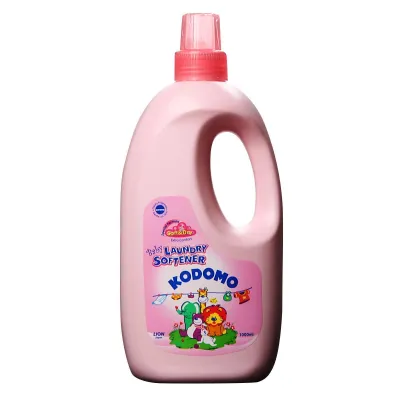
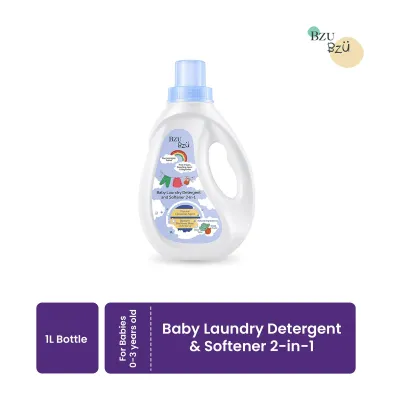
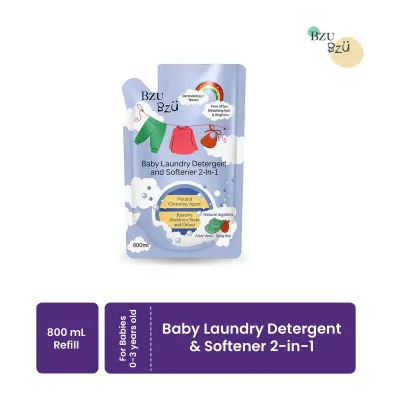
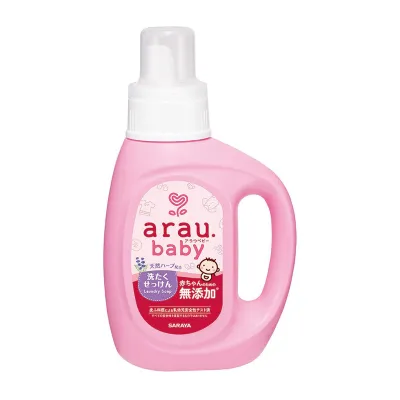
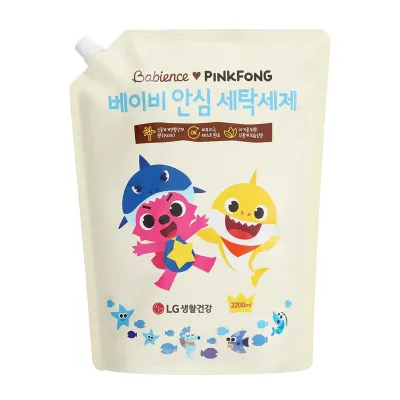
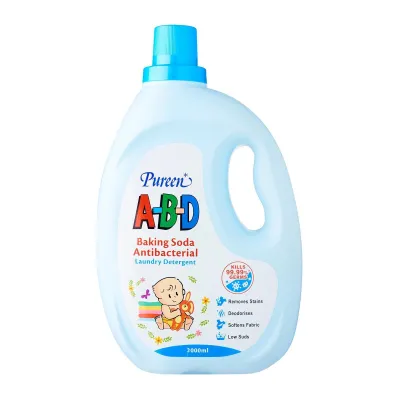
Prices are valid at publication and may change. Please refer to the product page for the latest price.
Surfactants like Sodium Lauryl Sulfate (SLS) and Sodium Laureth Sulfate (SLES) are highly effective at stripping grease, but they can be too harsh for a child’s delicate skin barrier. They can strip natural lipids, leaving the skin dry and vulnerable. Additionally, liquid detergents require preservatives to prevent bacterial growth. However, certain preservatives, such as methylisothiazolinone (MIT), methylchloroisothiazolinone (CMIT), and parabens, are known potential contact allergens that parents should actively check for and avoid.
Many parents naturally gravitate toward products labeled “natural” or “plant-based,” assuming they are inherently safe. However, these marketing terms are not strictly regulated. A plant-derived detergent can still contain harsh botanical irritants, such as highly concentrated essential oils (like eucalyptus, tea tree, or citrus oils) or natural coconut-derived surfactants that can trigger allergic reactions in sensitive individuals.
How to Decode Ingredient Lists and Marketing Claims
Finding a complete ingredient list can sometimes be challenging on laundry packaging. On local products, the list is typically printed on the back or side panel, though it may be in very small print. For imported detergents, look for adhesive translation labels that might cover the original ingredient list, or check for a peel-back label that reveals the full chemical composition underneath.

Be wary of vague terms like “fragrance,” “parfum,” “surfactants,” or “preservatives” on the label. These are umbrella terms that can legally mask dozens of individual chemical compounds, some of which may be highly irritating. If a brand does not explicitly list the specific chemical names of its fragrance components or preservative systems, it is safer to assume they may contain potential allergens.
Front-of-pack claims like “hypoallergenic,” “dermatologically tested,” or “gentle on skin” are often self-declared by manufacturers and do not guarantee a product is free from irritants. Always cross-reference these claims with the actual ingredient list on the back. A product labeled “hypoallergenic” may still contain synthetic dyes or preservatives that do not suit your child’s specific skin sensitivities.
If a detergent bottle lacks a complete ingredient list, do not rely on guesswork. Visit the manufacturer’s official website, where they are often required to publish a full ingredient disclosure or a Safety Data Sheet (SDS). If the information is still unavailable, contacting their customer service department directly for a full list of ingredients is a prudent step before making a purchase.
What to Look For When Choosing a Safer Detergent
When shopping for a kids laundry liquid, prioritize products that explicitly state “free and clear,” “dye-free,” and “fragrance-free.” These terms generally indicate that the manufacturer has omitted the most common cosmetic additives that trigger skin reactions.
Look for reputable third-party certifications, such as seals from national eczema associations or independent dermatological institutes. Rather than taking a front-label logo at face value, verify the certification by searching the official directory of the certifying body. This ensures the product has actually undergone independent evaluation and meets their strict ingredient standards.
Opt for minimal-ingredient formulations. The fewer ingredients a detergent contains, the lower the likelihood of an adverse reaction. Carefully inspect the label for botanical extracts or essential oils; while they sound appealing, simple, unfragranced formulas are always the safest bet for young, sensitive skin.
Before washing an entire load of your child’s clothes with a new detergent, perform a simple patch test. Wash a single small item, such as a washcloth or a pair of socks, with the new liquid. Have your child wear or use the item for a day while monitoring their skin for any signs of redness, bumps, or itching. This localized test helps you observe any potential skin reaction before washing a full load.
Laundry Habits to Minimize Detergent Residue
Even the gentlest detergent can cause skin irritation if it is not fully rinsed out of the fabric. Always adjust the dosage based on the load size, the level of soil, and the hardness of your water. Using too much liquid detergent creates excess suds that trap dirt and chemical residues within the fabric fibers instead of washing them away.
Modern high-efficiency washing machines use minimal water, which can sometimes leave detergent residues behind, especially on thick fabrics like towels, cloth diapers, or heavy cotton pajamas. Running an extra rinse cycle is an effective way to ensure all surfactant residues are thoroughly flushed out of the clothing.
You can identify detergent buildup by observing the texture and smell of the laundry. If clothes feel stiff, scratchy, or have a slightly greasy residue, or if the washing machine drum develops a musty odor, it is a sign of detergent accumulation. Running an empty hot-water cycle with white vinegar can help clean the machine drum and remove lingering residues.
If your child develops a persistent rash, dry patches, or exhibits signs of discomfort after wearing freshly washed clothes, immediately stop using the current detergent. Switch to washing their clothes with plain water temporarily, and consult a pediatrician or a qualified dermatologist to identify the exact cause of the skin reaction.
Frequently Asked Questions (FAQ)
Do I need a separate laundry liquid for baby clothes and older kids' clothes?
You do not necessarily need to purchase separate detergents for different age groups. While newborns have exceptionally delicate skin that benefits from specialized baby detergents, older children with sensitive skin or eczema still require the same level of care. A single, high-quality, fragrance-free, and dye-free laundry liquid is often sufficient and highly cost-effective for the entire family’s laundry, simplifying your household routine.
Can I use fabric softener with kids laundry liquid?
It is generally best to avoid traditional liquid fabric softeners and dryer sheets for children’s laundry. These products work by leaving a chemical coating on fabric fibers to make them feel soft, which can trap synthetic fragrances and trigger skin irritation. Furthermore, this coating can reduce the moisture-wicking properties of activewear and can compromise the flame-resistant properties of children’s sleepwear. For a safer alternative, use wool dryer balls to naturally soften fabrics, and always check the garment care labels for specific washing instructions.

Community discussion
Share your experience or ask a question. Comments are reviewed before publication.