
Choosing a kids laundry detergent in Singapore requires careful ingredient checking. In a hot, humid tropical climate, children sweat frequently, which can dissolve chemical residues left on clothing and trigger skin irritation. To protect your child’s sensitive skin, you should avoid synthetic fragrances, artificial dyes, optical brighteners, harsh surfactants like Sodium Lauryl Sulfate (SLS), and sensitising preservatives such as methylisothiazolinone. By learning to identify these irritants, you can prevent contact dermatitis and flare-ups of conditions like eczema.
Why Children's Skin Reacts Differently to Laundry Residues
A child’s skin is not just a smaller version of adult skin; it is structurally different and far more delicate. During the first few years of life, a child’s skin barrier is up to 30% thinner than an adult’s. This structural difference means the stratum corneum—the outermost layer responsible for keeping moisture in and irritants out—is highly permeable. Consequently, any chemical residues that remain on clothing fibers after washing can easily penetrate the skin barrier, leading to rapid absorption and systemic exposure.
When these residual chemicals penetrate the thin skin barrier, they can trigger an immune response known as contact dermatitis. This condition presents as red, itchy, dry, or inflamed patches of skin. For children who already have a genetic predisposition to eczema (atopic dermatitis), even microscopic amounts of harsh laundry chemicals can provoke severe flare-ups. The constant friction of clothing rubbing against sweaty skin under humid conditions further accelerates this barrier breakdown.
Products mentioned in this guide
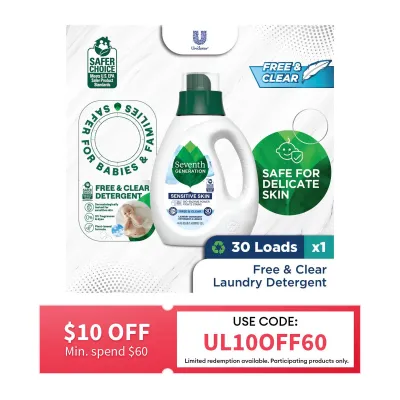
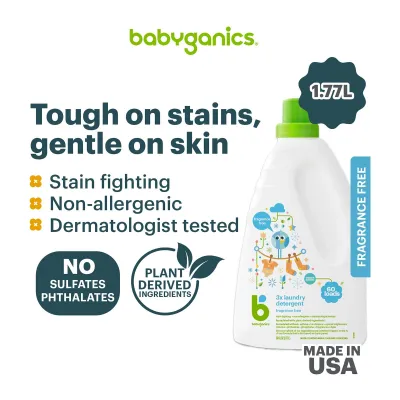
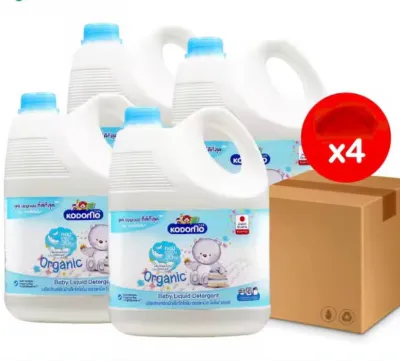
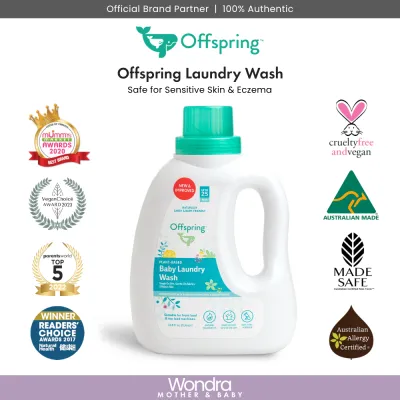
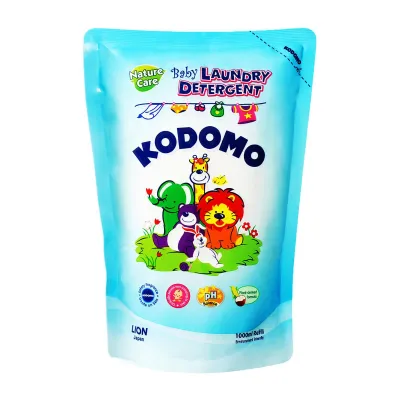
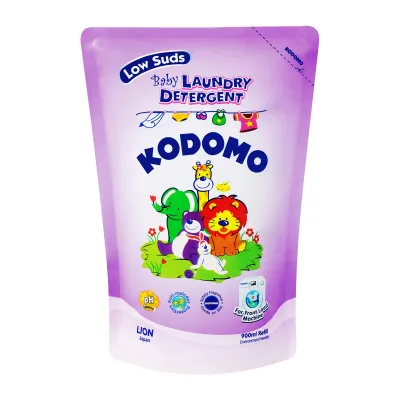
Prices are valid at publication and may change. Please refer to the product page for the latest price.
Many parents assume that a thorough rinse cycle washes away all traces of laundry detergent. However, standard detergents are formulated to leave certain functional agents behind. Surfactants, brighteners, and fragrances are chemically engineered to bond with fabric fibers so that clothes look brighter and smell fresh long after they are dried. These microscopic, bonded residues remain in constant, direct contact with your child’s skin throughout the day and night, acting as chronic local irritants.
Key Ingredients to Avoid in Kids Laundry Detergent
Identifying specific chemicals on detergent packaging is the most reliable way to protect your child’s skin. Several common ingredient categories pose a disproportionately high risk of triggering allergic reactions and skin barrier disruption.

Synthetic Fragrances and Dyes
The appealing scent of “baby-fresh” laundry is often achieved through a complex cocktail of synthetic chemicals. When you see the words “Fragrance,” “Parfum,” or “Aroma” on a detergent label, you are looking at a proprietary trade secret. Under standard labeling laws, manufacturers are not required to disclose the individual chemical components of their fragrances. This single term can mask hundreds of undisclosed volatile organic compounds (VOCs), phthalates, and synthetic sensitizers that frequently trigger respiratory issues and skin allergies.
Artificial dyes are another category of unnecessary additives that pose a significant risk to compromised skin. These colorants, often listed on the ingredients panel as “CI” (Colour Index) followed by a five-digit number or names like “Blue 1” or “Yellow 5,” serve a purely aesthetic purpose. They do not contribute to the cleaning power of the detergent. For children with eczema or sensitive skin, these synthetic dyes are known contact allergens that can cause persistent itching and localized rashes where the clothing fits most snugly.
Optical Brighteners
Optical brighteners, also known as fluorescent whitening agents (FWAs), are chemical compounds added to detergents to make fabrics appear cleaner than they actually are. They work by absorbing invisible ultraviolet (UV) light and emitting visible blue light. This optical trick masks the natural yellowing of fabrics, creating the illusion of brilliant whiteness. Because these chemicals must remain on the fabric after the rinse cycle to perform this trick, they ensure your child’s skin is in continuous contact with active chemical agents.
The physical presence of optical brighteners on clothing fibers can lead to significant skin issues. When exposed to sunlight, these chemicals can undergo a reaction that triggers phototoxicity, resulting in skin irritation or redness resembling sunburn. Furthermore, because they do not easily biodegrade, they accumulate in fabric fibers over multiple washes, increasing the concentration of irritants over time and heightening the risk of allergic contact dermatitis in sensitive children.
Harsh Surfactants (e.g., SLS and SLES)
Surfactants are the primary cleaning agents in laundry detergents, responsible for breaking down surface tension so water can penetrate fabrics, lift dirt, and wash away oils. While surfactants are essential for clean clothes, the type of surfactant used matters immensely. Strong anionic surfactants, most notably Sodium Lauryl Sulfate (SLS) and Sodium Laureth Sulfate (SLES), are highly efficient at stripping grease but are far too aggressive for a child’s delicate skin barrier.
When residues of harsh surfactants like SLS remain on laundered clothing, they interact directly with the skin’s natural lipid barrier. These chemicals strip away the essential fatty acids and lipids that keep the skin hydrated and protected. This disruption leads to chronic dryness, micro-tears in the skin barrier, and an increased vulnerability to environmental allergens and bacteria. Over time, the continuous use of detergents containing these harsh agents can turn normal skin into highly sensitive, reactive skin.
Certain Preservatives and Stabilizers
Because liquid laundry detergents contain water, they are highly susceptible to bacterial and fungal growth. To ensure a stable shelf life, manufacturers must include preservatives in their formulas. However, some of the most effective preservatives are also the most notorious skin sensitizers. Isothiazolinone preservatives, including Methylisothiazolinone (MIT), Methylchloroisothiazolinone (CMIT), and Benzisothiazolinone (BIT), are potent contact allergens that have been linked to widespread contact allergy epidemics globally.
Identifying these preservatives requires a careful review of the product’s full ingredient list. Many brands highlight appealing marketing claims on the front of the bottle, such as “dermatologist-tested” or “hypoallergenic,” while still utilizing isothiazolinones or formaldehyde-releasing preservatives (such as DMDM hydantoin) in the fine print on the back. To protect your child, always turn the bottle around and verify the exact preservation system used, or check the manufacturer’s website if the physical label is incomplete.
How to Decode Detergent Labels and Spot Hidden Irritants
Navigating the laundry aisle requires a healthy dose of skepticism, as marketing terms can be highly misleading. “Greenwashing” is a common practice where brands use terms like “Natural,” “Green,” “Plant-Based,” or “Eco-Friendly” to project a safe, gentle image. In reality, these terms are largely unregulated in the consumer goods sector. A detergent can be plant-based but still contain harsh coconut-derived surfactants like SLS, or be packed with natural essential oils that trigger allergic reactions in sensitive children.
Another common source of confusion is the distinction between “Fragrance-Free” and “Unscented.” A fragrance-free product is formulated without any fragrance chemicals or masking scents, making it the safest choice for sensitive skin. Conversely, an unscented product may actually contain synthetic masking fragrances designed to neutralize the unpleasant chemical smell of the raw ingredients. While the final product may have no perceptible smell, the presence of these masking chemicals can still irritate your child’s skin and respiratory system.
To truly understand what goes into a laundry detergent, parents must look beyond the front-label claims. Many manufacturers only list broad categories like “anionic surfactants” or “cleaning agents” on the physical bottle to protect proprietary formulas. When face-to-face with an incomplete label, visit the brand’s official website to find the full ingredient disclosure or Safety Data Sheet (SDS). A reputable brand committed to child safety will provide a transparent, line-by-line breakdown of every chemical in their formula.
Finally, be cautious of “Free-from” claims that only tell half the story. A detergent proudly labeled “dye-free” may still contain heavy synthetic perfumes, or a “fragrance-free” formula might rely on harsh isothiazolinone preservatives to maintain its shelf life. A safe purchasing decision requires verifying that the product is free from the entire spectrum of common irritants, rather than relying on a single, isolated “free-from” highlight.
What to Look for When Choosing a Safe Alternative
When searching for a safe kids laundry detergent, prioritize products formulated with mild, non-ionic surfactants. Ingredients like alkyl polyglucosides (such as Coco-Glucoside or Lauryl Glucoside) are derived from renewable plant sources and clean effectively without stripping the skin’s natural lipids. Look for simple, transparent ingredient lists where every component is clearly identified, allowing you to easily verify the absence of synthetic fragrances, artificial dyes, and optical brighteners.
Before transitioning your child’s entire wardrobe to a new detergent, it is highly recommended to perform a patch wash to test for potential sensitivity. Select a single, frequently worn item of clothing, such as a cotton undershirt or a pillowcase, and wash it separately with the new detergent. Have your child wear or use the item for 24 to 48 hours while closely monitoring their skin for any signs of redness, itching, bumps, or dryness. If no reaction occurs, you can proceed with washing the rest of their clothes.
It is important to establish a clear safety boundary when managing skin sensitivities. While switching to a gentle, irritant-free detergent is an excellent first step, it is not a cure-all for chronic skin conditions. If your child continues to experience unexplained rashes, persistent redness, or intense itching despite using a clean, fragrance-free detergent, stop using the product immediately. Consult a pediatrician or a qualified dermatologist to obtain a professional diagnosis and a tailored treatment plan.
Frequently Asked Questions (FAQ)
Can I use regular adult laundry detergent for my baby's clothes?
It is generally not recommended to wash a baby’s or young child’s clothes with regular adult laundry detergent. Adult detergents are formulated to tackle heavy organic stains, body oils, and outdoor grime, meaning they contain much higher concentrations of strong surfactants, enzymes, and heavy synthetic perfumes. These robust formulations leave behind significant chemical residues that can easily overwhelm a newborn’s thin, developing skin barrier, leading to irritation, dryness, and contact dermatitis.
Are essential oils safe in kids laundry detergent?
While essential oils are natural plant extracts, they are highly concentrated volatile organic compounds that can act as potent skin sensitizers and allergens. Certain oils, such as citrus, lavender, or eucalyptus, contain naturally occurring allergens like limonene and linalool, which can trigger contact dermatitis or even respiratory irritation in young children. For infants and kids with highly sensitive skin or eczema, truly fragrance-free laundry detergents are always a safer and more reliable option than those scented with essential oils.
Do I need a special detergent for cloth diapers?
Cloth diapers require a careful balance: the detergent must be strong enough to thoroughly clean organic waste and ammonia, yet gentle enough not to irritate your baby’s skin. When washing cloth diapers, you must strictly avoid detergents containing fabric softeners, optical brighteners, and heavy synthetic fragrances. These additives leave a chemical residue that coats the diaper fibers, drastically reducing their absorbency and trapping moisture and ammonia against your baby’s skin, which directly contributes to severe diaper rash.
Community discussion
Share your experience or ask a question. Comments are reviewed before publication.