
When preparing a nursery in Singapore, ensuring your child’s sleeping environment is secure is a top priority. A kids cot sold in Singapore should ideally align with recognized international safety standards such as the European standard (EN 716), the American standard (ASTM F1169), or the British standard (BS EN 716). While local consumer protection frameworks monitor general product safety, parents must take an active role in verifying these certifications, inspecting physical dimensions, and maintaining the structural integrity of the furniture. By understanding what safety marks to look for and how to evaluate a cot’s physical design, you can make an informed decision that protects your baby from potential hazards like entrapment, falls, or structural failure.
Understanding Cot Safety Regulations in Singapore
In Singapore, consumer goods, including nursery furniture like a kids cot, fall under the purview of the Consumer Product Safety Office (CPSO), which is safeguarded by Enterprise Singapore. The CPSO monitors consumer products to ensure they do not pose safety hazards to users. While there is no single, localized mandatory safety certification exclusive only to Singapore for kids cots, the Consumer Protection (Safety Requirements) Regulations and the Consumer Protection (Trade Descriptions and Safety Requirements) Act require that products sold locally must be safe for consumer use and must not be misleading in their safety claims.
This regulatory framework relies heavily on aligning with established international standards. Manufacturers and distributors are expected to ensure their products comply with recognized global benchmarks before offering them for sale in the local market. For parents, this means understanding the distinction between mandatory safety bans—which prevent the sale of known hazardous designs—and voluntary industry standards that demonstrate a manufacturer’s commitment to rigorous testing.
Products mentioned in this guide
![[Jarrons & Co] Happy Dream 4-in-1 Convertible Baby Cot (Free Delivery Installation Teething Rail Side Guard & Mosquito Net)](https://img.lazcdn.com/g/p/1fa2fe8c6ca9054589090bd9450eb2ac.png_400x400q80.png_.webp)
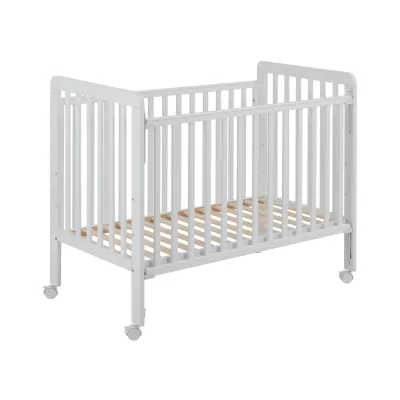
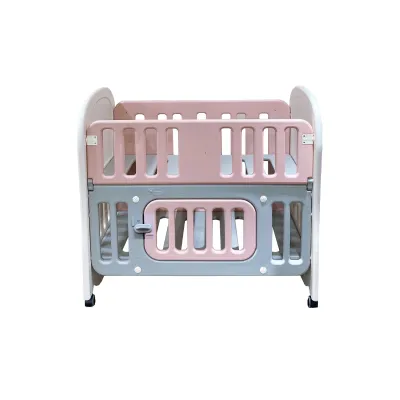
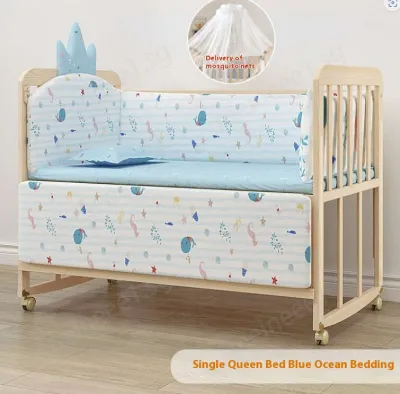
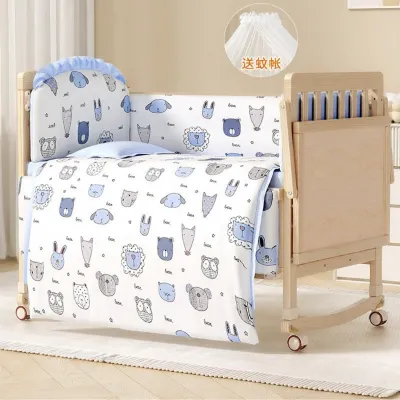
Prices are valid at publication and may change. Please refer to the product page for the latest price.
To stay informed, parents should regularly check official government portals, such as the CPSO website, for active safety alerts, product warnings, or voluntary recalls. Because nursery furniture is often imported, keeping an eye on international recall databases from regions like Europe or the United States can also provide early warnings about specific cot models that may have exhibited structural or design defects after entering the market.
Key Physical Safety Features to Inspect
When evaluating a kids cot in a showroom or upon delivery at home, performing a hands-on physical inspection is one of the most reliable ways to verify its safety. The physical design of the cot must prevent common hazards such as head entrapment, limb entanglement, and accidental falls.

Begin by measuring the slat spacing. The distance between the vertical slats of the cot should be consistent and fall within a safe range—typically between 45mm and 65mm. If the gaps are too narrow, a baby’s limbs could become trapped; if they are too wide, there is a risk of the baby’s head slipping through, posing a severe entrapment hazard. Use a standard ruler or measuring tape to check several gaps across different sides of the cot frame to ensure manufacturing consistency.
Next, evaluate the mattress fit. A poorly fitting mattress creates dangerous gaps along the edges where a baby can become wedged. When the mattress is placed flat inside the cot, the gap between the outer edge of the mattress and the inner cot frame should not exceed 20mm to 30mm at any point. If you can easily fit more than two fingers between the mattress and the cot sides, the mattress is too small for that specific cot frame, and you should select a more compatible size as specified by the manufacturer.
Additionally, inspect the drop-side mechanisms, corner posts, and hardware. If the cot features a drop-side mechanism, ensure it requires a deliberate, multi-step action to release, preventing accidental opening by a child from the inside or through casual contact. Corner posts should be virtually flush with the end panels—typically rising no more than 1.5mm above the frame—to prevent clothing, pacifier cords, or sleep sacks from snagging. All hardware, including bolts, brackets, and tracks, must be smooth, rounded, and free from sharp edges or pinch points that could injure delicate skin.
How to Verify Safety Certifications and Labels
Relying on product descriptions alone is rarely sufficient when assessing the safety of a kids cot. Parents must know how to locate, read, and validate actual safety certifications and labels on the product itself, its packaging, and the accompanying documentation.
Legitimate safety certifications are usually printed on a permanent tracking label affixed directly to the cot frame—often on the underside of the mattress base or the inner face of one of the end panels. This label should clearly state the manufacturer’s name, contact information, model number, date of manufacture, and the specific safety standards the product meets. The user manual and the product packaging should also display these details prominently.
Look for recognized international testing frameworks indicated on the label. The most common standards you will encounter in Singapore include:
- EN 716 (or BS EN 716): The European and British standard for domestic cots and folding cots, which governs structural strength, slat spacing, and material safety.
- ASTM F1169: The American standard specification for full-size baby cribs, which includes rigorous testing for structural integrity and drop-side safety.
- AS/NZS 2172: The Australian and New Zealand standard, known for its stringent physical testing requirements.
Be alert to red flags that suggest a cot may not be safe. Missing manufacturer details, the absence of clear warning labels, or vague claims like “tested to safety standards” without naming a specific framework (such as EN 716) are major warning signs. If a seller cannot provide a copy of the compliance certificate or test report from an independent, accredited laboratory upon request, it is best to look for an alternative product that offers verifiable proof of safety.
Safe Setup and Daily Maintenance Practices
Even the most highly certified kids cot can become hazardous if it is assembled incorrectly or poorly maintained. Ensuring long-term safety requires careful attention during the initial setup and regular inspections throughout the cot’s lifespan.
Always follow the manufacturer’s assembly instructions step-by-step. Never attempt to improvise, skip steps, or use alternative hardware. The screws, bolts, and brackets provided by the manufacturer are specifically engineered to withstand the forces applied to the cot as your child grows and moves. If you lose any hardware during assembly or relocation, contact the manufacturer or authorized distributor directly to obtain genuine replacement parts rather than buying generic hardware from a local store.
Establish a routine maintenance schedule to check the cot’s structural integrity. In Singapore’s warm and humid climate, natural wood can expand and contract, which may cause joints to loosen over time. Once a month, perform a physical shake test of the cot frame. Check all screws, bolts, and joints, and gently tighten any that have become loose. Inspect the wood for any signs of splitting, cracking, or peeling paint, and ensure that plastic components have not become brittle.
Finally, set up a safe sleep environment inside the cot. The mattress must be firm and flat; soft mattresses or toppers pose a suffocation risk. Keep the cot free of loose bedding, pillows, bumpers, and soft toys. These items are unnecessary for a baby’s comfort and can restrict airflow or create entrapment hazards. Ensure the cot is positioned away from windows, direct sunlight, air conditioning vents, and dangling cords from blinds or baby monitors.
When to Stop Using or Replace the Cot
A kids cot is designed for a specific developmental window. As your child grows, their physical capabilities and size will eventually make the cot unsafe, requiring a transition to a toddler bed or a larger sleeping arrangement.
Monitor your child’s developmental milestones closely. Once your child can sit up, the mattress base must be lowered to its lowest position to prevent them from falling out. When your child begins to stand or shows signs of attempting to climb out of the cot, the risk of a fall increases significantly. At this stage, even if they have not yet reached the maximum weight limit, it is time to transition them out of the cot to prevent serious injury.
Always adhere to the manufacturer’s stated maximum height and weight limits, which are typically found on the product label or in the user manual. If your child’s height reaches 89 cm (or if the height of the side rail is less than three-quarters of their height), the cot is no longer suitable.
Additionally, immediate replacement is necessary if you identify any structural failures that cannot be repaired with genuine manufacturer parts. This includes loose or wobbling joints that do not tighten, splintering wood, cracked plastic components, or peeling finishes. Do not attempt to modify or repair a broken cot with tape, glue, or non-standard brackets, as these temporary fixes can fail unexpectedly and compromise your child’s safety.
Frequently Asked Questions (FAQ)
Are second-hand kids cots safe to use?
Using a second-hand kids cot carries inherent risks that require meticulous verification. Older cots may not comply with modern safety standards, such as the ban on certain drop-side designs or older slat spacing limits. They may also have suffered hidden structural damage, wood rot from storage in humid conditions, or have missing hardware that the previous owner replaced with non-standard parts. If you choose to use a pre-owned cot, you must verify the original user manual, ensure all original hardware is present and intact, check international databases for any active recalls on that specific model, and thoroughly inspect every joint and surface for wear or damage before use.
Do all kids cots sold online need to meet local safety standards?
While products sold by reputable local retailers in Singapore are expected to comply with consumer safety expectations, the rise of cross-border e-commerce platforms and online marketplaces means that some cots may bypass local regulatory checks. It is the buyer’s responsibility to exercise caution when purchasing online. Always verify that the product listing explicitly states compliance with recognized international safety standards like EN 716 or ASTM F1169. Read user reviews specifically looking for complaints about structural stability, missing parts, or poor material quality, and check the seller’s return policy so you can safely return the item if it arrives without proper safety labels or fails your physical inspection.

Community discussion
Share your experience or ask a question. Comments are reviewed before publication.