
Selecting a mattress for a growing child in Singapore involves navigating a crowded market filled with competing marketing claims. Many parents find themselves overwhelmed by terms like “orthopaedic support,” “ergonomic alignment,” and “natural comfort.” The reality is that no single mattress brand or model is universally suitable for every child.
The ideal balance of firmness and support depends heavily on your child’s age, physical development, weight, and preferred sleep position. Instead of relying on unverified brand promises, parents can make a more reliable decision by evaluating the physical properties of the mattress.
This guide establishes a practical framework for comparing popular kid mattress options in Singapore. By focusing on core materials, verifiable technical specifications, and safety certifications, you can identify a mattress that supports your child’s physical growth and suits your home environment.
Products mentioned in this guide
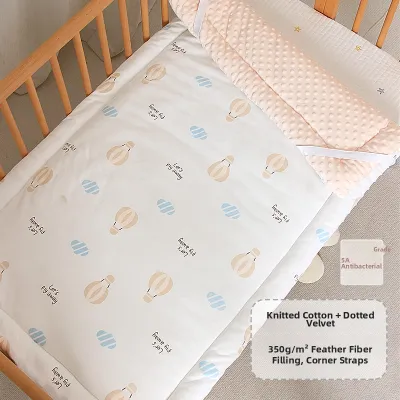
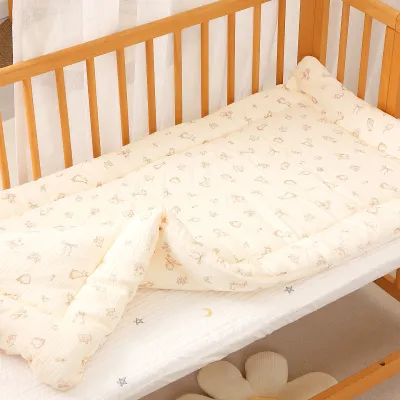
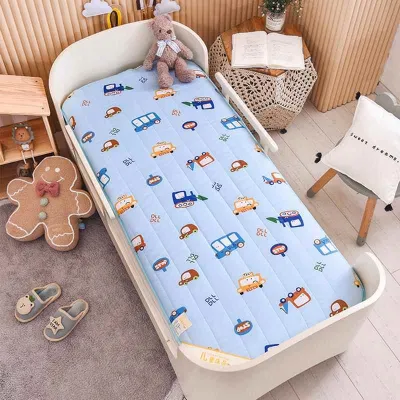
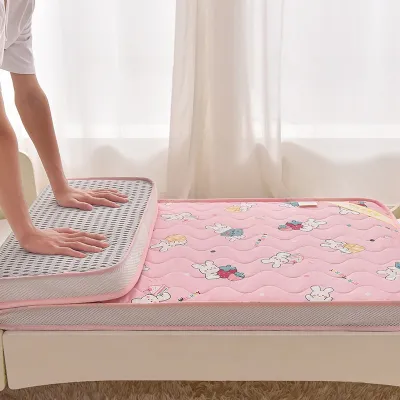
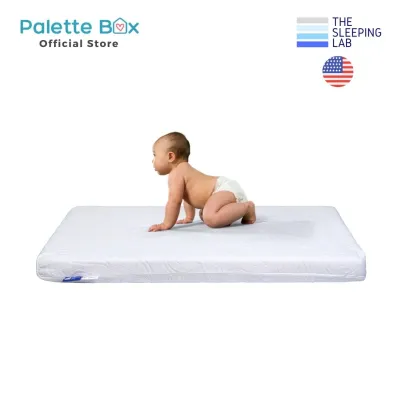
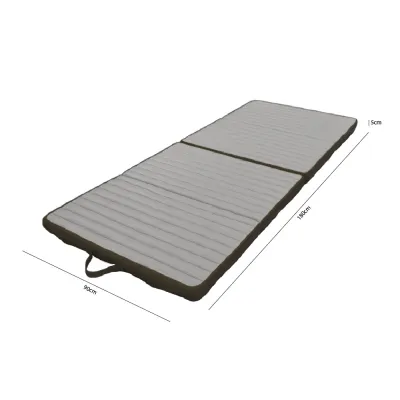
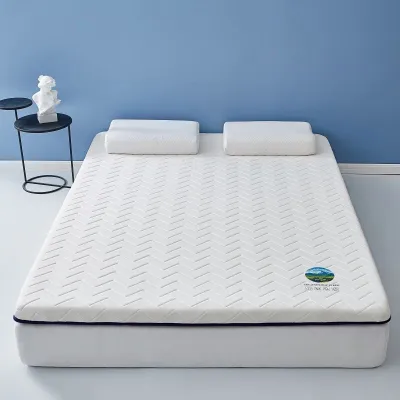
![[Inence] Customized Mattress Student Dormitory Children Floor Bunk 50607075808590110 * 170 * 180 * 19014 xfFi](https://img.lazcdn.com/g/p/b3049db9e78c0031a4638d011221e408.jpg_webp_400x400q80.jpg_.webp)
Prices are valid at publication and may change. Please refer to the product page for the latest price.
Understanding Firmness vs. Support for Growing Children
Many parents use the terms “firmness” and “support” interchangeably, but they refer to entirely different aspects of mattress performance. Firmness describes the immediate sensation of comfort when your child first lies down on the mattress surface. It is a subjective measure of how soft or hard the top comfort layers feel against the body.
Support, on the other hand, refers to the mattress’s ability to maintain proper spinal alignment by pushing back against the body’s heaviest areas. During childhood, the skeletal system undergoes rapid development, and the spine requires consistent, neutral alignment during sleep.
A mattress with excellent support keeps the spine in a straight line, whether your child sleeps on their back, side, or stomach. If a mattress lacks sufficient support, the heavier parts of the body, such as the hips and shoulders, will sink too deeply. This misalignment can lead to muscle strain, poor sleep quality, and potential long-term posture issues.
While children generally require a medium-firm to firm sleeping surface, a hard surface does not automatically guarantee good support. If the comfort layers are too rigid, they can create painful pressure points, causing your child to toss and turn throughout the night.
Conversely, if the core support layers lack structural integrity, the mattress will sag under your child’s weight, failing to provide the necessary resistance. The goal is to find a mattress that combines a comfortable, pressure-relieving surface with a highly resilient, supportive core.
Comparing Core Mattress Materials Used by Popular Brands
When comparing different kid mattress brands in Singapore, the most reliable starting point is the core material. Most mattresses available in the local market fall into three primary categories: innerspring or hybrid systems, natural latex, and high-density polyurethane foam.

Each material possesses distinct physical properties that dictate how the mattress responds to weight, manages heat, and maintains its shape over time. Understanding these differences allows you to look past brand names and evaluate the actual construction of the mattress.
For spring-based systems, the thickness of the steel coils, known as the coil gauge, and the total coil count are the primary indicators of support. A lower gauge number indicates thicker, stiffer wire, which provides a firmer support profile.
For foam and latex mattresses, support is evaluated using density and Indentation Load Deflection (ILD). Density, measured in kilograms per cubic metre, indicates how much material is packed into the foam, while ILD measures the force required to compress the material, reflecting its firmness.
Innerspring and Hybrid Mattresses
Innerspring and hybrid mattresses utilize a network of steel coils to form the primary support core. Traditional innerspring systems feature interconnected open coils, which tend to transfer motion across the bed and may offer less precise contouring.
Modern hybrid options typically use pocketed springs, where each coil is individually wrapped in fabric. This design allows the coils to compress independently, providing targeted support to different areas of the body and isolating motion when your child moves.
Active children who frequently move or jump on the bed require a mattress with robust edge support to prevent accidental falls. Pocketed spring systems often feature reinforced coils around the perimeter to maintain a stable edge.
However, because springs create a highly resilient, bouncy surface, it is crucial to verify that the comfort layers on top are thick and firm enough. Insufficient comfort layers can lead to “hammocking,” where the body sinks into a curve, compromising spinal alignment.
Latex and High-Density Foam Mattresses
Solid-core mattresses made from natural latex or high-density foam offer a different support dynamic compared to spring systems. Natural latex is highly responsive and elastic, meaning it immediately pushes back against pressure without creating a sinking sensation.
It provides excellent contouring for pressure relief while allowing your child to move easily across the mattress surface. Additionally, natural latex is highly durable and naturally resistant to dust mites, making it a popular choice for long-term use.
High-density polyurethane foam is another common material, often used as a supportive base layer in foam mattresses. Unlike low-density foams that soften quickly, high-density foam maintains its structural integrity under consistent weight.
Memory foam, a subset of polyurethane foam, contours closely to the body in response to heat and pressure. While memory foam offers excellent pressure relief, its slow-recovery nature can make it difficult for younger children to change positions, and it has a tendency to retain body heat.
Key Specifications to Verify Across Brands
To make an objective comparison between different mattress brands, parents should look past marketing slogans and verify specific technical details. The overall thickness of the mattress is an important starting point.
For growing children, a mattress thickness of at least 15 to 20 centimetres is generally recommended to ensure there is sufficient depth to accommodate increasing body weight. Thinner mattresses may bottom out, causing your child to feel the hard bed base underneath.
Safety and chemical emissions are critical considerations for children’s sleeping environments. Because children spend up to half their day in close contact with their mattress, verifying independent certifications is essential.
Look for labels such as CertiPUR-US for polyurethane foams, which ensures the foam is made without ozone depleters, heavy metals, or harmful flame retardants, and has low volatile organic compound (VOC) emissions. For latex and textiles, the OEKO-TEX Standard 100 certification verifies that the product is free from harmful levels of toxic substances.
Finally, evaluate the manufacturer’s warranty terms and sleep trial periods. A comprehensive warranty of 10 years or more is a strong indicator that the brand has confidence in the durability of its materials.
Sleep trials, which allow your child to test the mattress at home for a set period, provide a practical way to assess whether the firmness level is suitable. Be sure to read the terms of these trials carefully, noting any return fees or specific conditions required for a refund.
Decision Framework: Matching Mattress Type to Your Child
Selecting the right mattress type requires matching the physical characteristics of the materials to your child’s specific needs, sleeping habits, and health profile. In Singapore’s warm and humid climate, heat dissipation is often a primary concern for parents.
If your child tends to sleep hot or perspires heavily during the night, an innerspring or hybrid mattress is often the most suitable choice. The open structure of the coil core allows for continuous airflow, helping to regulate temperature far better than solid foam options.
If your priority is a long-lasting, resilient mattress made from natural materials, natural latex is an excellent option. Latex provides a buoyant, supportive feel that adapts to your child’s movements without the contouring hug of memory foam.
This makes it easy for toddlers and young children to roll over and change positions naturally. While natural latex mattresses typically carry a higher initial cost, their resistance to sagging and long lifespan often provide better value over time.
For families working within a specific budget, high-density foam mattresses offer a practical and supportive alternative. When choosing a foam mattress, always check the product specifications to ensure the base layer consists of high-density support foam rather than cheap, low-density materials.
Avoid mattresses that rely heavily on thick layers of soft memory foam for younger children, as the lack of resistance can hinder movement and trap heat in tropical climates.
Health considerations should also guide your material choice. If your child suffers from asthma, eczema, or environmental allergies, pay close attention to the mattress cover and internal adhesives.
Look for mattresses with removable, washable covers made from breathable fabrics like organic cotton or bamboo. Ensure that any adhesives used in the assembly process are water-based and certified low-emission to minimize the risk of triggering respiratory sensitivities.
Safety, Sizing, and Maintenance Checks Before Purchase
Before finalizing your purchase, several practical safety and maintenance factors must be verified to ensure the mattress performs well and remains safe. Sizing is a critical safety consideration, particularly when transitioning a young child from a cot to a larger bed.
In Singapore, standard mattress sizes typically include Single (91 x 191 cm) and Super Single (107 x 191 cm). You must measure the internal dimensions of your bed frame precisely to ensure there are no gaps wider than two fingers between the mattress and the frame, which could pose an entrapment hazard.
Additionally, check the manufacturer’s specified weight limits for the mattress. While a mattress designed specifically for toddlers may support a young child adequately, it may lack the structural depth required as they grow into their teenage years.
Choosing a mattress with a higher weight capacity ensures that the support system remains effective through multiple growth spurts, saving you the cost of a premature replacement.
Proper maintenance is essential to preserve the supportive qualities of the mattress over its lifespan. Most manufacturers recommend rotating the mattress 180 degrees every three to six months to distribute wear evenly and prevent localized sagging.
To protect the core materials from accidental spills, bedwetting, and sweat, always use a breathable, waterproof mattress protector. This barrier prevents moisture from seeping into the foam or rusting the springs, which can rapidly degrade the support layers and encourage mold growth.
Frequently Asked Questions (FAQ)
Can I use a regular adult mattress for my child?
A standard adult mattress may be suitable for a child, provided it meets the specific firmness and support requirements for growing bodies. Many adult mattresses are designed with plush comfort layers that allow heavier bodies to sink in for pressure relief.
However, because children weigh significantly less, they may not compress these layers enough to reach the supportive core, or conversely, a soft adult mattress may allow their spine to sag. If you choose an adult mattress, opt for a medium-firm to firm model that prioritizes structural support over deep cushioning.
How often should I replace my child's mattress?
The lifespan of a kid’s mattress generally ranges from seven to ten years, depending on the quality of the materials and how well it is maintained. Rather than relying solely on a fixed timeline, you should regularly inspect the mattress for physical signs of wear.
If you notice visible sagging in the center, permanent body impressions, or lumps in the comfort layers, the mattress has lost its ability to provide proper support. Other indicators include your child waking up with physical stiffness, complaining of discomfort, or showing signs of increased allergy symptoms due to dust mite accumulation.
Community discussion
Share your experience or ask a question. Comments are reviewed before publication.