
To protect your child’s school books, homework, and digital devices from Singapore’s sudden, heavy monsoon downpours, a reliable waterproof pouch must offer more than just basic water resistance.
Parents should look for high-performance materials like TPU or coated nylon, robust sealing mechanisms such as roll-top closures or double-zip seals, and heat-welded seams rather than simple stitching.
Ensuring the pouch is sized correctly to prevent seam stress and verifying that the materials are non-toxic and easy to dry in humid conditions are equally critical steps.
Products mentioned in this guide
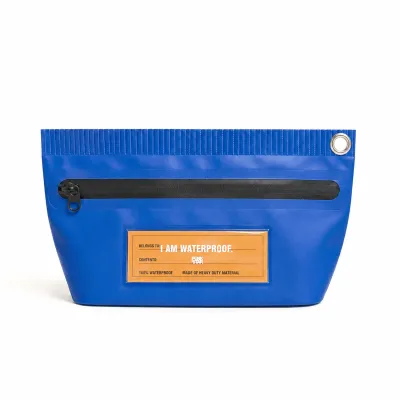
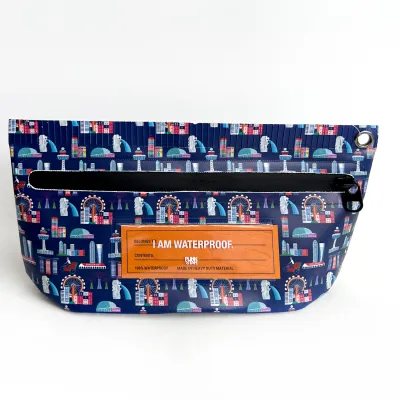
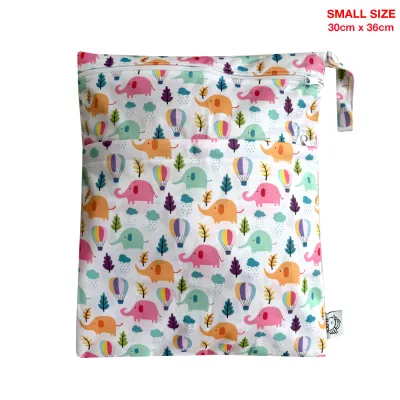
Prices are valid at publication and may change. Please refer to the product page for the latest price.
By focusing on these technical specifications and practical design features, you can safeguard expensive school gear during the daily commute.
Understanding Waterproof Ratings and Materials for School Gear
When shopping for school gear, the terminology on product packaging can often be confusing. It is essential to differentiate between water-resistant, water-repellent, and fully waterproof labels.
Water-resistant fabrics are typically tightly woven to delay water penetration under a light drizzle, but they will eventually saturate. Water-repellent materials feature a chemical coating that causes water to bead up and roll off the surface, yet they can still fail under the pressure of a sustained downpour.
Fully waterproof items are designed to prevent water penetration, making them a highly reliable choice for protecting school supplies.
To gauge how well a pouch will perform during a tropical storm, look for the Ingress Protection (IP) rating or hydrostatic head measurements on the manufacturer’s specification sheet.
An IPX rating indicates the level of protection against liquids. For school commutes, an IPX4 rating, which protects against splashing water from any direction, is the bare minimum.
For added peace of mind during heavy monsoons, look for IPX6 (protection against powerful water jets) or IPX7 (withstands temporary submersion).
Hydrostatic head measurements, expressed in millimeters (such as 5,000mm or 10,000mm), indicate the height of a water column the fabric can support before leaking; a higher number signifies greater resistance to heavy, driving rain.
The choice of material also plays a significant role in the pouch’s weight, flexibility, and longevity.
Thermoplastic Polyurethane (TPU) is highly flexible, lightweight, and generally free from chlorine and phthalates, making it an excellent choice for children’s gear.
Polyvinyl Chloride (PVC) is highly durable and waterproof, but it tends to be stiff, heavy, and may contain chemical additives that require careful verification on the product label.
Coated nylon, often treated with polyurethane or silicone, offers a lightweight and highly packable alternative, though its protective coating can gradually wear down over years of heavy friction and folding.
Essential Seal and Closure Mechanisms for Wet Weather Commutes
The closure mechanism is often the first point of failure on a waterproof pouch during a heavy downpour.

Roll-top closures are highly reliable because they do not rely on mechanical teeth that can fail or let water seep through. By folding the top of the pouch tightly three to four times and securing the buckle, you create a highly effective barrier that keeps moisture out.
Waterproof zippers, which feature a polyurethane laminate over the zipper teeth, offer quick access but must be zipped completely to the end to work, and they require occasional maintenance to slide smoothly.
Sealed flap designs with hook-and-loop fasteners provide basic splash protection but are rarely sufficient for heavy, driving rain.
Beyond the closure, the construction of the seams determines whether water will seep into the pouch.
Stitched seams create tiny needle holes that water can penetrate unless they are sealed with waterproof tape on the inside. Over time, this tape can peel due to heat and humidity, compromising the pouch’s integrity.
Welded or heat-sealed seams physically fuse the material panels together using high-frequency radio waves or heat, creating a seamless, permanent bond that is far more durable and highly resistant to water.
For high-value items like school tablets or laptops, look for pouches that feature a double-seal mechanism.
This design often combines dual interlocking zip tracks with a fold-over hook-and-loop flap, or hard plastic locking clips that compress the opening shut.
These redundant layers of protection ensure that even if one seal is compromised, a secondary barrier remains intact to safeguard expensive electronics from water damage.
Sizing and Structural Features for Books and Tablets
Parents often make the mistake of buying a pouch based on external dimensions, only to find that standard A4 worksheets, textbooks, or school folders do not fit once the closure is rolled or zipped shut.
Always check the manufacturer’s specified internal dimensions rather than the external measurements.
A pouch should be slightly larger than the largest item it will carry to allow for easy loading and unloading without tearing the corners of books or forcing the zipper.
While keeping items dry is the primary goal, protecting them from physical impacts is also vital.
Look for pouches with integrated padded sleeves or rigid back panels that prevent tablets from bending or cracking inside a crowded school bag.
Suspended compartments keep devices elevated away from the bottom of the pouch, reducing the risk of impact damage when the school bag is dropped onto the floor or a wet pavement.
Overstuffing a waterproof pouch is a common cause of premature failure.
Forcing too many books or devices into a single pouch stretches the material and puts immense tension on the seams, zippers, and seals.
This stress can cause micro-tears in the waterproof coating or cause a zipper to split open mid-commute.
Advise your child to distribute items across multiple smaller pouches or choose a larger size to maintain structural integrity.
Durability, Safety, and Maintenance in Humid Conditions
A waterproof pouch must be durable enough to withstand the daily wear and tear of school life.
Inspect the attachment points for straps, handle reinforcements, and D-rings. Look for reinforced stitching or welded patches where these components meet the main body of the pouch to ensure they can handle the weight of heavy textbooks without tearing.
Because these items are handled daily by children, parents must verify safety standards on manufacturer labels.
Look for certifications indicating the materials are BPA-free, phthalate-free, and lead-free.
Avoid products with strong chemical odors, which can indicate the presence of volatile organic compounds (VOCs) that may not be suitable for close daily contact.
Singapore’s high humidity creates an ideal environment for mold and mildew, especially if a damp pouch is left inside a dark school locker or backpack.
Establish a routine of wiping down the exterior of the pouch after a rainy day.
Turn the pouch inside out, wipe the interior with a dry cloth, and allow it to air-dry completely in a well-ventilated area away from direct sunlight, which can degrade waterproof coatings over time.
Building Your Waterproof Pouch Evaluation Checklist
To simplify your shopping experience, it is helpful to build a practical checklist that separates must-have features from optional additions.
Must-have features for heavy rain include an IPX4 rating or higher, welded seams, a secure roll-top or double-zip closure, and non-toxic material certifications.
Optional features might include multiple internal compartments, reflective strips for low-light visibility during rainy commutes, and detachable shoulder straps.
When browsing options on online marketplaces or ecommerce platforms, look past five-star ratings and focus on reviews that mention long-term durability, seam longevity, and zipper performance in actual wet weather.
Reviews from other parents can provide valuable insights into how well the pouch holds up to daily school use.
Finally, verify the manufacturer’s warranty terms and return policies.
A reputable brand often offers a warranty against manufacturing defects, such as premature seam separation or zipper failure.
This coverage provides peace of mind and ensures you can replace a faulty item before it leads to damaged school supplies.
Frequently Asked Questions (FAQ)
Can I use a standard resealable plastic bag instead of a dedicated waterproof pouch?
Resealable food storage bags are thin and prone to punctures from sharp book corners or pencil tips.
Their seals can easily pop open under pressure inside a packed school bag.
While acceptable as a temporary, single-use backup for a notebook, they do not offer the impact protection or reliable seal required to safeguard expensive school tablets or electronic learning devices.
How can I test a new waterproof pouch at home before my child uses it for school?
Place a dry paper towel or tissue inside the empty pouch and seal it completely.
Submerge the pouch in a sink or basin of water, or hold it under a running shower head for a few minutes to simulate a heavy tropical downpour.
Dry the outside of the pouch thoroughly before opening it, then inspect the paper towel.
If the paper towel is dry, the seal and seams are intact.
What is the safest way to clean a waterproof pouch without damaging its coating?
Always check the manufacturer’s care label first.
Clean the pouch by hand using a soft cloth or sponge with mild, diluted soap and lukewarm water.
Avoid harsh detergents, bleach, abrasive scrubbing pads, and machine washing, as these can strip away the waterproof coating and damage sealed seams.
Hang the pouch open to air-dry completely in a shaded, well-ventilated space.

Community discussion
Share your experience or ask a question. Comments are reviewed before publication.