
Introducing solid foods is a monumental milestone in your baby’s first year of life. Around the age of six months, an infant’s nutritional requirements begin to outpace what breast milk or formula alone can provide. This transition period, known as complementary feeding or weaning, is where fortified baby cereals play a vital role. Heinz baby cereals are formulated to help bridge these nutritional gaps, offering a reliable source of essential vitamins, minerals, and macronutrients tailored to support rapid physical and cognitive development. By understanding the precise nutritional profile of these cereals, parents can make informed choices that align with their baby’s unique growth milestones and digestive readiness.
Understanding the Macronutrient Profile of Heinz Baby Cereals
Carbohydrates serve as the primary fuel source for your rapidly growing infant. During the first year, babies undergo immense physical milestones, from rolling over and sitting up to crawling and taking their first steps. To support this high level of physical activity, Heinz baby cereals utilize grains that provide complex carbohydrates. Unlike simple sugars, which cause rapid spikes and drops in blood glucose, complex carbohydrates are broken down slowly by the digestive system. This gradual digestion provides a steady, sustained release of energy throughout the day, keeping your baby active and satisfied between feeds.
Proteins are the fundamental building blocks of life, crucial for tissue repair, muscle development, and overall cellular growth. While breast milk or infant formula remains the primary source of high-quality protein during the weaning phase, the plant-based proteins found in grains like oats, wheat, and rice serve as an excellent complement. These grain-derived proteins help diversify your baby’s amino acid intake, supporting the rapid synthesis of new tissues as their physical frame expands.
Products mentioned in this guide
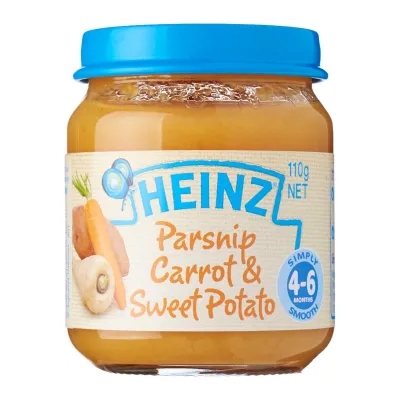
Prices are valid at publication and may change. Please refer to the product page for the latest price.
Healthy fats are another indispensable component of an infant’s diet, particularly for supporting early brain development and facilitating the absorption of fat-soluble vitamins such as vitamins A, D, E, and K. Although dry cereals are naturally low in fat, they are designed to be prepared with breast milk, infant formula, or other nutrient-dense liquids. This preparation method ensures that the final meal contains the necessary dietary fats required to support the myelination of nerve fibers in the brain and overall cognitive progression.
To understand the exact macronutrient distribution of the specific cereal you are serving, it is essential to read the Nutrition Information Panel (NIP) on the back of the Heinz packaging. This panel details the exact grams of carbohydrates, proteins, and fats per 100 grams of dry powder, as well as per prepared serving. Because different product lines—such as single-grain starter cereals, organic ranges, and multi-grain fruit blends—have varying formulations, checking the NIP allows you to verify that the macronutrient profile aligns with your pediatrician’s recommendations and your baby’s daily energy needs.
Essential Vitamins and Minerals for Infant Development
Iron and Zinc for Cognitive and Immune Support
At around six months of age, an infant’s natural, prenatal iron stores begin to deplete. Full-term babies are born with a reserve of iron that typically lasts through the first half-year of life, but after this point, their physiological demand for iron increases dramatically to support rapid blood volume expansion and brain development. Fortified baby cereals are widely recognized as an effective way to introduce dietary iron during this critical window. Iron is a key component of hemoglobin, the protein in red blood cells that carries oxygen throughout the body. A deficiency in iron during infancy can lead to iron-deficiency anemia, which has been linked to long-term cognitive, motor, and behavioral developmental delays.

Zinc is another critical micronutrient that works in tandem with iron to support your baby’s physical progression. It plays a foundational role in cellular growth, DNA synthesis, and protein metabolism. Furthermore, zinc is essential for maintaining a robust immune system, helping your baby ward off common childhood illnesses as they begin to explore their environment and put objects in their mouths.
When selecting a Heinz cereal, parents should check the ingredient list and the nutrition panel to identify the specific forms of iron and zinc used in the formulation, such as ferrous fumarate or electrolytic iron. It is highly recommended to cross-reference these values with the daily recommended dietary allowances provided by your pediatrician or local health authorities, such as the Health Promotion Board in Singapore.
To maximize the benefits of iron fortification, consider the role of vitamin C (ascorbic acid). Vitamin C significantly enhances the absorption of non-heme iron—the type of iron found in plant-based sources like fortified cereals. Many Heinz baby cereals are formulated with added vitamin C or feature fruit ingredients that naturally contain this nutrient. If you are using a plain, single-grain cereal, you can optimize iron absorption by mixing in a spoonful of vitamin C-rich fruit puree, such as papaya, mango, or apple, which are readily available and highly compatible with early weaning diets.
B-Vitamins and Calcium for Energy and Bone Growth
B-complex vitamins, including thiamin (B1), riboflavin (B2), niacin (B3), vitamin B6, and vitamin B12, are essential catalysts for your baby’s metabolic processes. These vitamins do not provide energy directly, but they are crucial for converting the carbohydrates, proteins, and fats from your baby’s diet into usable cellular energy. Additionally, B-vitamins support the healthy development of the nervous system, aiding in the transmission of signals between the brain and the rest of the body as your baby refines their motor skills.
Skeletal development is another area of rapid growth during the first year, requiring a steady supply of calcium. Calcium is the primary mineral responsible for the mineralization and strengthening of your baby’s bones and teeth. As infants transition from lying down to sitting, crawling, and eventually bearing weight on their feet, their skeletal structure undergoes significant physical stress. Adequate calcium intake ensures that their bones develop the necessary density and structural integrity to support these physical milestones safely.
To ensure your baby’s body can utilize the calcium present in their diet, verify whether the cereal or their overall diet contains sufficient vitamin D. Vitamin D acts as a key that unlocks calcium absorption in the gut; without it, the body cannot effectively utilize the calcium consumed. Because vitamin D synthesis depends heavily on safe sun exposure and dietary intake, parents should carefully review product labels for vitamin D fortification and consult a healthcare professional to determine if their baby requires additional vitamin D supplementation.
Evaluating Ingredients: What to Look For on the Label
Learning to read and interpret the ingredient list on baby food packaging is one of the most empowering skills a parent can develop. The ingredient list is arranged in descending order by weight, meaning the first few ingredients listed make up the majority of the product. When evaluating Heinz baby cereals, look for whole grain ingredients, such as whole oat flour, whole wheat flour, or brown rice flour, near the top of the list. Whole grains retain all parts of the grain seed, providing a higher concentration of natural vitamins, minerals, and dietary fiber compared to refined grains. Dietary fiber is highly beneficial for your baby’s developing digestive system, as it helps regulate bowel movements, prevents constipation, and supports the growth of beneficial gut bacteria.
Conversely, parents should carefully monitor the presence of added sugars and sodium on the label. Ingredients like sucrose, glucose, maltodextrin, or concentrated fruit juices are sometimes added to enhance flavor, but pediatric guidelines globally, including those in Singapore, strongly advise against introducing added sugars to infants under two years of age. Consuming added sugars early in life can foster a preference for overly sweet foods, displace more nutrient-dense options, and increase the risk of early childhood dental caries. Sodium levels should also be kept to an absolute minimum, as an infant’s kidneys are still maturing and cannot safely process high amounts of salt.
Additionally, the ingredient label is critical for identifying potential allergens. Heinz baby cereals clearly declare allergens on their packaging, highlighting ingredients such as wheat, milk, gluten, or soy, as well as precautionary statements regarding potential cross-contamination in the manufacturing facility. Before purchasing any new cereal, carefully cross-reference these declarations with your baby’s known sensitivities or family history of allergies to ensure a safe feeding experience.
Matching Cereal Choices to Your Baby's Developmental Stages
As your baby grows, their nutritional requirements, digestive capacity, and oral motor skills evolve in tandem. Matching the right cereal variant to your baby’s specific developmental stage is crucial for ensuring both safety and optimal nutrient intake.
Starting Solids (Around 6 Months) At the beginning of the weaning journey, your baby’s digestive tract is highly sensitive, and their swallowing mechanism is still adapting to textures thicker than breast milk or formula. During this stage, focus on single-grain cereals, such as finely milled rice or single-grain oat cereal. These options are easy to digest, have a low risk of triggering allergic reactions, and are heavily fortified with iron to meet the baby’s immediate physiological needs. When preparing these first meals, mix the cereal to a very runny, smooth, and liquid-like consistency. This allows your baby to practice moving food from the front of their mouth to the back and swallowing safely without gagging.
Exploration Phase (Around 7-8 Months) Once your baby has successfully mastered single-grain cereals and shows signs of improved oral motor control, you can transition to mixed-grain cereals, such as blends of oats, barley, and wheat. At this stage, you can gradually increase the thickness of the cereal to a slightly textured, porridge-like consistency. This encourages lateral tongue movement and early chewing motions. This phase is also an ideal window for introducing gluten-containing grains like wheat in a controlled manner, which pediatric research suggests can help reduce the risk of developing gluten sensitivities later in life.
Chewing and Biting (9 Months and Older) By nine months and beyond, many babies are developing their pincer grasp and are eager to explore more complex textures. You can now introduce multi-grain cereals that feature small, soft, dehydrated fruit pieces or vegetable flakes. These added textures encourage active chewing, help strengthen the jaw muscles, and support hand-eye coordination if you allow your baby to practice self-feeding with a spoon or offer dry, dissolvable cereal puffs as finger foods under close supervision.
The 3-Day Rule for Safe Introduction Regardless of your baby’s developmental stage, always adhere to a strict safety protocol when introducing any new cereal ingredient. Use the “one new ingredient at a time” rule: introduce only one new food or grain variety and wait a full three days before introducing another. During this three-day observation window, carefully monitor your baby for any signs of adverse reactions, such as skin rashes, digestive upset, or changes in stool consistency. This systematic approach makes it simple to isolate and identify the specific food responsible if an allergy or sensitivity occurs.
Safe Preparation and Feeding Practices
Preparing baby cereal correctly is essential for preserving its nutritional value, preventing foodborne illness, and ensuring your baby can swallow the food safely. Always begin by washing your hands thoroughly with soap and water, and ensure all preparation utensils and bowls have been sterilized or meticulously cleaned.
When mixing the cereal, use appropriate liquids such as breast milk, infant formula, or cooled boiled water. It is critical to follow the manufacturer’s exact preparation instructions and water-to-powder ratios printed on the Heinz packaging. Creating a mixture that is too thick can pose a severe choking hazard and strain your baby’s developing digestive system, while a mixture that is too thin will dilute the essential nutrients and calories your baby needs.
Never put baby cereal into a baby bottle unless specifically directed to do so by a pediatrician for a diagnosed medical condition like gastroesophageal reflux. Feeding cereal through a bottle nipple bypasses the vital developmental milestone of learning to eat from a spoon, increases the risk of accidental overfeeding, and significantly raises the risk of choking or inhaling the thick mixture into the lungs. Spoon feeding is essential for helping your baby develop the oral motor muscles required for speech and solid food consumption.
To maintain strict food safety, prepare only the amount of cereal your baby is likely to eat in a single sitting. Saliva contains enzymes and bacteria that are transferred from your baby’s mouth to the bowl via the spoon. If left to sit, these bacteria will rapidly multiply in the warm, nutrient-rich cereal, making any leftovers unsafe for future consumption. Always discard any uneaten cereal remaining in the bowl.
Store the dry, unmixed cereal powder in its original packaging, tightly sealed, inside an airtight container. Keep it in a cool, dry place away from direct sunlight. In hot, humid tropical climates like Singapore, proper storage is especially critical to prevent the powder from absorbing moisture, clumping, spoiling, or attracting kitchen pests. Always check the expiration date on the package before serving. Finally, ensure your baby is seated completely upright in a secured high chair during feeding, and maintain constant, undivided supervision to prevent choking.
Frequently Asked Questions (FAQ)
Can Heinz baby cereals replace breast milk or formula?
No, Heinz baby cereals cannot replace breast milk or infant formula. During the first year of life, solid foods are strictly complementary. Breast milk or formula must remain the primary source of nutrition, hydration, and calories for your baby until at least 12 months of age. Cereal should be used to supplement their milk diet and introduce key micronutrients like iron, rather than replacing milk feeds.
Are there dairy-free or gluten-free options available?
Yes, Heinz offers specific formulations that are dairy-free or gluten-free to accommodate babies with food sensitivities or allergies. Parents must carefully read the front-of-pack labels and the detailed allergen declarations on the back of each package. Because product formulations and manufacturing environments can change over time, always inspect the label of each new box before purchasing, even if you have bought the same variety previously.
How do I identify an allergic reaction to a new cereal ingredient?
An allergic reaction can manifest in several ways, ranging from mild to severe. Common observable signs of a mild to moderate reaction include hives, localized skin redness, swelling of the face, lips, or eyes, vomiting, or sudden diarrhea. If you observe any of these symptoms, stop feeding the cereal immediately and consult your pediatrician. If your baby exhibits severe symptoms, such as difficulty breathing, wheezing, or widespread swelling (anaphylaxis), seek emergency medical care immediately.
Community discussion
Share your experience or ask a question. Comments are reviewed before publication.