
Selecting the right baby diaper cream requires a close look at the ingredient label to ensure you are providing an effective shield against moisture, friction, and irritants. In warm and humid tropical climates, trapped sweat and moisture can quickly compromise a baby’s delicate skin barrier, making a reliable barrier cream essential. The most effective diaper creams rely on proven physical barriers like zinc oxide or petroleum jelly to block wetness, often paired with gentle, plant-derived soothing agents to calm redness. By understanding how to read these labels, you can choose a formulation that matches your baby’s current skin condition while avoiding unnecessary irritants.
Understanding Core Barrier Ingredients on Product Labels
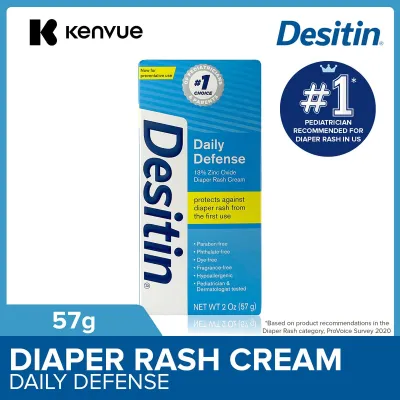
Zinc oxide is one of the most common and reliable active ingredients found in diaper care products. It is a physical mineral that sits on top of the skin, creating a thick, water-resistant layer that prevents urine and stool from making direct contact with the skin. When examining product labels, you will notice varying concentrations of zinc oxide, typically ranging from 10% to 40%. Lower concentrations (around 10% to 12%) are generally formulated for daily prevention, offering a lighter, easier-to-spread consistency that is simple to wipe away during routine diaper changes. Higher concentrations (typically 30% to 40%) are designed for active, moderate-to-severe diaper rash, providing a heavy-duty paste that stays in place even under heavy moisture.
Petroleum jelly, often listed as petrolatum on ingredient panels, is another highly effective barrier agent. Unlike zinc oxide, which is an opaque white paste, petrolatum is translucent and works by forming an occlusive seal that locks in the skin’s natural moisture while locking out external wetness. This makes it an excellent option for babies with dry, peeling skin or those prone to friction-induced chafing. Many parents prefer petrolatum-based ointments for overnight use, as they provide long-lasting protection during extended sleep intervals when diaper changes are less frequent.
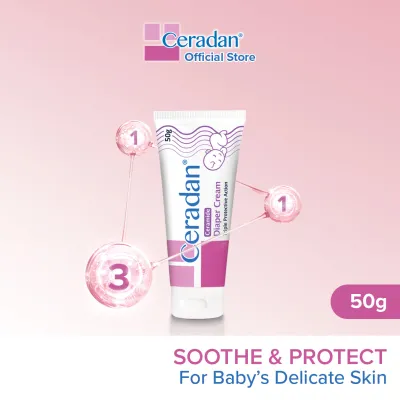
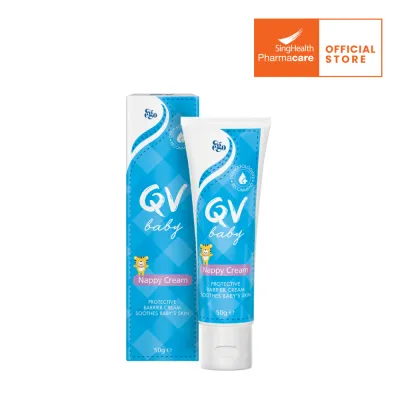
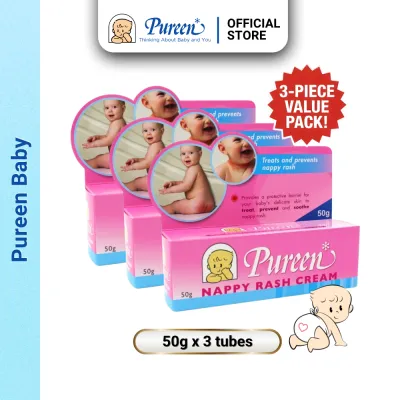
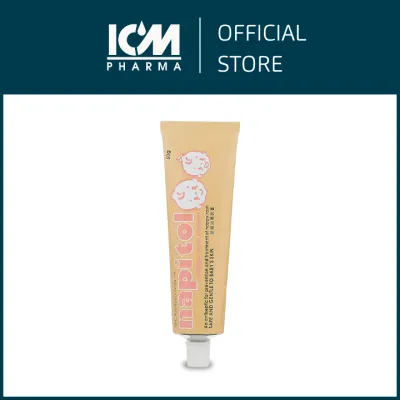
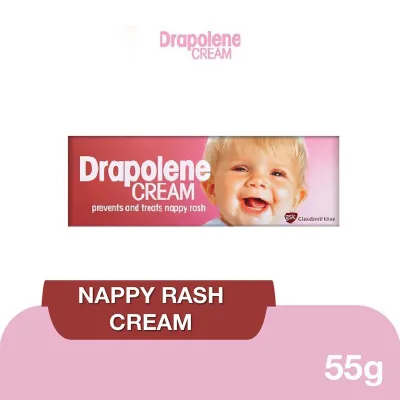
Products mentioned in this guide
![Mustela Vitamin Barrier Cream 123 for Diaper Rash 100ml [Diaper Change Care] (exp: 09/2028 & beyond)](https://img.lazcdn.com/g/p/5c88ac90f90fcfb36d5b9fc0c103040f.jpg_400x400q80.jpg_.webp)
![[Bundle of 2] Bepanthen Baby Triple Action Nappy Care Ointment Exp Oct 2027](https://img.lazcdn.com/g/p/b768c145249ef25a000967475c87ff50.jpg_400x400q80.jpg_.webp)
Prices are valid at publication and may change. Please refer to the product page for the latest price.
Alternative barrier ingredients include dimethicone and lanolin, which are frequently blended into diaper creams to improve texture and skin conditioning. Dimethicone is a silicone-based polymer that glides smoothly over the skin, creating a breathable, water-repellent barrier without feeling overly greasy. Lanolin, a natural wax derived from sheep’s wool, is highly effective at softening dry skin and sealing out moisture. However, because lanolin can occasionally trigger allergic reactions in babies with extremely sensitive skin or eczema, it is important to monitor your baby’s skin closely when introducing a lanolin-based product and check the label for specific allergy warnings.
Evaluating Soothing Botanicals and Natural Extracts
Beyond primary barrier agents, many diaper creams incorporate botanical extracts to help soothe irritated skin and reduce the appearance of redness. Common natural additives include aloe vera, calendula, and chamomile, which are valued for their skin-conditioning properties. Aloe vera provides a cooling sensation that can comfort warm, inflamed skin, while calendula and chamomile are traditionally used to support skin recovery. When evaluating these ingredients, look for products that list them near the middle or bottom of the ingredient panel, indicating they are used as supportive additives rather than primary barriers.

While natural ingredients can be beneficial, parents must verify marketing claims like “fragrance-free” and “hypoallergenic” by cross-referencing them with the actual ingredient list. A product labeled “hypoallergenic” may still contain botanical extracts that could irritate compromised skin. True fragrance-free products should contain no added synthetic perfumes or natural essential oils, both of which are common triggers for contact dermatitis. Always check the full ingredient panel rather than relying solely on front-of-package marketing claims, as even “unscented” products may use masking fragrances to cover up the natural scent of raw ingredients.
Managing risk is crucial when dealing with a baby’s compromised skin barrier. When a diaper rash is active, the skin’s outer layer is cracked and highly permeable, making it more susceptible to irritation from complex plant blends or essential oils like tea tree, lavender, or eucalyptus. While these oils are often marketed for their purifying properties, they can cause burning or allergic sensitization when applied to broken skin. If your baby has an active, raw rash, it is safest to avoid products containing complex botanical mixtures and stick to simple, minimalist formulations with minimal ingredients.
Matching Ingredient Strength to Your Baby's Rash Severity
Choosing the right diaper cream is not a one-size-fits-all decision; instead, it requires matching the ingredient strength to the current state of your baby’s skin. For daily prevention and routine maintenance, a lightweight barrier is ideal. Look for daily ointments containing pure petroleum jelly or low-concentration zinc oxide (under 15%). These formulations are easy to apply and wipe off, preventing the buildup of thick residue that can trap heat and sweat in humid climates, while still providing adequate protection against daily moisture.
When mild to moderate redness begins to appear, it is time to transition to a medium-strength treatment. Select a diaper cream with a zinc oxide concentration between 15% and 20%, ideally combined with gentle soothing agents like calendula or dimethicone. This combination helps calm active inflammation while reinforcing the skin’s protective barrier against acidic stools and urine. Ensure the diaper area is completely dry before application, as trapping moisture beneath a medium-strength barrier can worsen the irritation.
For severe, bright red, or persistent diaper rashes, a high-concentration barrier paste is necessary to allow the skin to heal. Look for maximum-strength pastes containing 30% to 40% zinc oxide, which create a thick, immovable shield over the affected area. If the rash does not improve within a few days, begins to blister, oozes, or is accompanied by a fever, stop using over-the-counter treatments and consult a pediatrician or qualified healthcare professional immediately, as this may indicate a secondary yeast or bacterial infection requiring prescription treatment.
Red Flag Ingredients to Avoid in Diaper Creams
To minimize the risk of further skin irritation, parents should actively screen diaper cream labels for known irritants. Artificial fragrances, synthetic dyes, and harsh preservatives are the most common culprits behind contact allergies in the diaper area. Preservatives such as parabens, methylisothiazolinone (MI), and formaldehyde-releasing agents should be avoided entirely. Because the diaper area is warm, moist, and subject to friction, the absorption rate of these chemicals is higher than on other parts of the body, making clean, simple ingredient lists highly preferable.
Medicated ingredients represent another significant risk when used without professional guidance. Over-the-counter diaper creams should never contain topical anesthetics (such as benzocaine), salicylic acid, or topical steroids (such as hydrocortisone) unless specifically prescribed by a pediatrician. These active compounds can easily penetrate a baby’s thin skin barrier and lead to systemic side effects or localized skin thinning. Always consult a healthcare professional before applying any medicated or therapeutic creams to your baby’s diaper area.
Finally, parents should exercise caution regarding controversial components like talc and boric acid. Talc, historically used in baby powders, poses inhalation risks and is generally avoided in modern liquid creams and ointments. Boric acid, sometimes used as a preservative or buffering agent in older formulations, is easily absorbed through broken skin and can be toxic to infants. Always check manufacturer safety statements and verify that your chosen diaper cream is free from these outdated and potentially harmful substances.
Frequently Asked Questions (FAQ)
Can I use adult skincare ingredients like salicylic acid in baby diaper cream?
An infant’s skin barrier is significantly thinner, more delicate, and more permeable than adult skin, making it highly sensitive to strong active ingredients. Adult skincare compounds like salicylic acid, glycolic acid, or retinoids are strictly contraindicated for babies, as they can cause severe chemical burns, irritation, and systemic toxicity when absorbed through the skin. You should always stick to products specifically formulated, tested, and labeled for infant diaper care, ensuring they contain only gentle, protective ingredients.
Does a higher zinc oxide percentage always mean better protection?
A higher percentage of zinc oxide does not automatically make a cream superior for daily use; rather, it changes the thickness and durability of the barrier. While a 40% zinc oxide paste offers maximum protection for severe rashes, it is highly viscous and difficult to wash off, which can lead to excessive friction and skin irritation during cleanup. For daily prevention, a lower concentration is often better because it provides a sufficient moisture barrier while being easy to wipe away gently, minimizing friction on your baby’s delicate skin.

Community discussion
Share your experience or ask a question. Comments are reviewed before publication.