
A sudden afternoon downpour in Singapore can catch children completely off guard, turning a simple walk home from school or an outdoor playground excursion into a soaking wet scramble. For parents, the immediate concern is not just wet clothing, but the costly damage to school textbooks, homework worksheets, and expensive personal learning devices like tablets or laptops. Standard backpacks often absorb water quickly, leaving interior contents damp, ruined, or moldy within minutes of exposure to heavy rain.
Investing in a dedicated waterproof bag ensures your child’s daily essentials remain completely dry and protected, regardless of how quickly the weather changes. However, selecting the right bag requires looking beyond simple aesthetic designs or basic water-repellent claims. To find a durable, comfortable, and highly functional bag, parents must understand the technical features that separate a truly waterproof product from a standard school backpack.
Why a True Waterproof Bag Matters for Singapore's Tropical Downpours
Understanding the technical distinction between water-resistant and fully waterproof materials is the first step in making an informed purchase. Many products on the market are labeled as “water-resistant” or “water-repellent,” which simply means the outer fabric has been treated with a light coating to shed water during a brief, mild drizzle. While this level of protection is sufficient for walking under a light mist for a few minutes, it is rarely enough to withstand the intense, sustained downpours characteristic of Singapore’s monsoon seasons.
Products mentioned in this guide

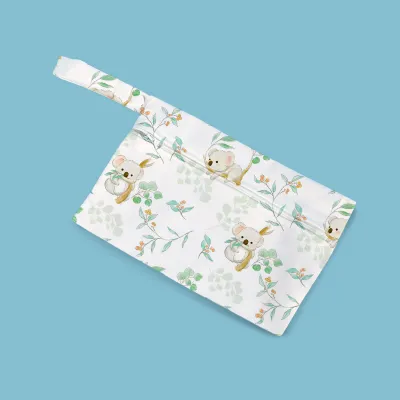
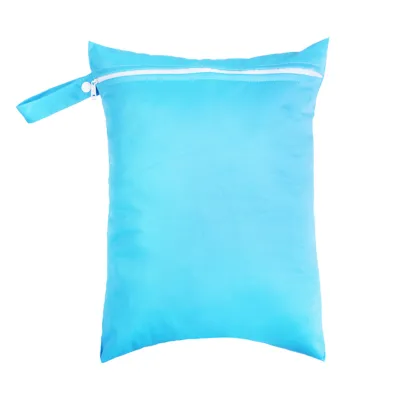
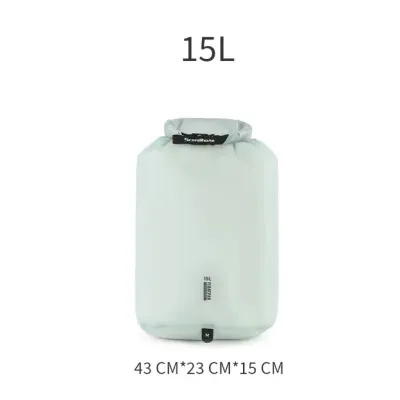
Prices are valid at publication and may change. Please refer to the product page for the latest price.
During heavy tropical storms, water droplets hit the bag with significant force and volume, quickly saturating standard woven fabrics. Once the outer layer is saturated, water begins to seep through the weave of the fabric and collect inside the bag’s main compartments. A true waterproof bag, by contrast, is constructed from completely non-porous materials and engineered with specialized sealing techniques that prevent water from entering the interior, even when the bag is exposed to prolonged, heavy rainfall.
When shopping, parents should look past vague marketing buzzwords like “weather-proof” or “rain-ready.” Instead, check the manufacturer’s product specifications for concrete details, such as hydrostatic head ratings (which measure the water pressure a fabric can withstand before leaking) or Ingress Protection (IPX) ratings. A holistic waterproof design is essential; a bag made from waterproof fabric can still let water in if the zippers, seams, and closures are not specifically engineered to block moisture.
Essential Weather-Specific Features for High Humidity and Heavy Rain
Singapore’s tropical climate presents unique challenges that extend beyond rainfall. High humidity levels and intense heat mean that a child’s bag must not only keep rain out but also handle sweat and prevent internal moisture buildup.

Fabric, Coatings, and Sealed Seams
The primary defense against heavy rain lies in the bag’s outer fabric and construction. Look for robust, high-performance materials such as high-denier nylon or polyester coated with Thermoplastic Polyurethane (TPU) or Polyvinyl Chloride (PVC). Heavy-duty tarpaulin is another exceptionally durable and waterproof material option, though it tends to be slightly heavier. These materials create an impenetrable barrier that prevents water droplets from soaking into the fabric fibers.
However, even the most waterproof fabric will fail if the seams are stitched using standard sewing needles. Every needle puncture creates a tiny hole where water can easily penetrate under pressure. To prevent this, high-quality waterproof bags utilize welded, heat-sealed, or taped seams instead of traditional stitching. Welded seams use heat or radio frequency waves to fuse the fabric edges together, creating a seamless, continuous bond that is completely airtight and watertight.
Zippers are another common entry point for moisture during a downpour. When evaluating a bag, check for specialized waterproof zippers, often featuring polyurethane-coated tracks that seal tightly when zipped shut. Alternatively, look for standard heavy-duty zippers that are shielded by wide, protective storm flaps. These flaps should fold down securely over the zipper track and fasten with velcro or snap buttons to redirect running water away from the opening.
Breathability and Mold Prevention
With Singapore’s relative humidity frequently exceeding 80%, trapped moisture can quickly lead to mold, mildew, and persistent musty odors. When a child carries a heavy bag against their back in hot weather, sweat accumulates rapidly, making the commute uncomfortable and dampening the back of the bag. To address this, look for bags designed with padded, mesh-backed, or channeled back panels. These channels allow continuous airflow between the bag and the child’s back, promoting evaporation and significantly reducing heat and sweat buildup.
The interior environment of the bag is equally susceptible to humidity-induced mold, especially if damp items like swimsuits or umbrellas are placed inside. Parents should check product descriptions and care labels for easy-wipe interior linings made from quick-drying materials. Some premium models feature anti-microbial treatments integrated into the lining fabric, which actively resist the growth of bacteria and mold spores. An easy-to-clean interior allows you to quickly wipe down the inside with a damp cloth and dry it thoroughly, keeping the bag hygienic and fresh.
Practical Design Features for School Commutes and Outdoor Play
While keeping water out is the primary goal, a school or outing bag must still function effectively as an everyday organizational tool. The best waterproof bags combine weather protection with practical, child-friendly design elements.
Organization and Device Protection
As digital learning becomes standard in Singapore schools, many children carry personal learning devices, such as tablets or laptops, on their daily commutes. A reliable waterproof bag must feature a dedicated, padded device sleeve to protect these valuable electronics from both physical impacts and potential water damage. Ideally, this sleeve should be elevated off the bottom of the bag. This design ensures that even if the bag is placed on a wet puddle or if a small amount of water manages to pool at the base, the device remains suspended and dry.
To prevent internal moisture issues, look for bags that feature separate wet and dry compartments. Having a dedicated exterior pocket with drainage eyelets or a separate bottom compartment is incredibly useful for storing wet umbrellas, damp raincoats, soiled physical education (PE) kits, or wet swimwear. This separation ensures that damp items do not come into contact with dry textbooks, worksheets, and stationery, keeping your child’s schoolwork pristine and legible.
Ergonomics, Weight, and Visibility
Waterproof materials and protective coatings can add substantial empty weight to a backpack. Carrying an excessively heavy load can strain a child’s developing spine and shoulders, leading to discomfort or poor posture. Before purchasing, verify the bag’s baseline empty weight and compare it against your child’s age, physical development, and weight range. As a general safety guideline, a fully loaded backpack should not exceed 10% to 15% of a child’s body weight. If your child experiences persistent back discomfort, stop using the bag and consult a qualified pediatric physiotherapist or healthcare professional.
To distribute weight safely, select a bag with wide, well-padded shoulder straps that can be easily adjusted to fit your child’s frame. An adjustable chest strap (or sternum strap) is highly beneficial, as it secures the shoulder straps in place and transfers a portion of the load away from the shoulders to the chest and core. Some larger outing bags also feature a padded waist belt, which helps stabilize the bag during active outdoor play or longer walks.
Visibility is another critical safety feature, particularly during dark monsoon afternoons or early morning commutes. Heavy rain significantly reduces visibility for drivers on the road. Ensure the bag features prominent reflective strips, bright high-visibility colors, or reflective logos on the front, sides, and shoulder straps. These reflective elements capture headlight beams, making your child easily visible to motorists at pedestrian crossings and along school drop-off zones.
Care and Maintenance to Prevent Mold and Odors in a Humid Climate
To preserve the integrity of the waterproof coatings and extend the lifespan of your child’s bag, proper care and maintenance are essential. The combination of high humidity and frequent rain in Singapore requires a proactive approach to hygiene and fabric preservation.
Establish a simple daily or weekly routine to keep the bag in optimal condition:
- Dry the bag thoroughly after use: After a wet commute, immediately empty the bag of all contents. Wipe down the exterior with a dry, clean microfiber cloth to remove surface moisture.
- Air-dry in a well-ventilated space: Open all zippers and compartments fully. If possible, turn the bag inside out and hang it in a shaded, well-ventilated indoor area to dry.
- Avoid direct, harsh sunlight: While it may be tempting to place a damp bag under the intense midday sun to dry it quickly, prolonged UV exposure can damage and degrade waterproof coatings, weaken heat-welded seams, and cause fabrics to become brittle and prone to cracking.
- Use gentle cleaning methods: When the bag gets dirty, spot-clean the surface using a soft sponge, mild dish soap, and lukewarm water. Avoid using harsh chemical detergents, bleach, or abrasive scrubbing pads, which can strip away the protective water-repellent layers.
- Never machine wash or tumble dry: The mechanical agitation of a washing machine and the high heat of a tumble dryer can delaminate the waterproof backing, melt welded seams, and warp the bag's structural padding. Always defer to the manufacturer's specific care instructions.
- Store properly during holidays: During long school holidays when the bag is not in use, ensure it is completely dry inside and out. Store it unzipped in a cool, dry closet. Placing a few silica gel packets inside the compartments can help absorb any ambient moisture and prevent the development of musty odors.
Frequently Asked Questions (FAQ)
Can I just use a separate rain cover for a standard school bag?
Using a separate rain cover is a common and cost-effective alternative, but it comes with distinct trade-offs. Rain covers are highly versatile and can be slipped over almost any standard school bag when a sudden shower begins. However, they can easily blow off in strong winds, leaving the bag exposed. Furthermore, rain covers do not protect the back panel of the bag, allowing sweat and rain running down the child’s back to soak into the fabric. They also require the child to stop, retrieve, and properly fit the cover during a sudden downpour, which can be challenging for younger children. A fully waterproof bag offers seamless, reliable protection without requiring extra accessories, though it may be heavier and more expensive than a standard backpack.
How can I safely test a bag's waterproofness at home?
You can perform a simple, low-risk spray test at home to verify the bag’s water resistance before your child uses it for school. First, fill the main compartment of the empty bag with dry paper towels or newspaper. Zip all compartments shut securely. Using a spray bottle filled with water or a gentle shower head on a low-pressure setting, spray the exterior of the bag for one to two minutes, focusing on the zippers, seams, and main fabric panels. Wipe the exterior dry with a towel, then open the compartments to check the paper towels inside. If they remain completely dry, the bag’s waterproof barriers are intact. Never submerge the bag fully in a bathtub or use a high-pressure garden hose, as excessive pressure can force water through the seams, damage the internal structure, and potentially void the manufacturer’s warranty. Always check the manufacturer’s care and testing guidelines first.
Community discussion
Share your experience or ask a question. Comments are reviewed before publication.