
Selecting the right potty training step stool is a pivotal step in helping your toddler transition to using the toilet independently. To find the ideal model, you must prioritize features that ensure physical stability, appropriate height alignment, and reliable slip resistance. A well-designed stool not only physically supports your child but also builds the confidence they need to climb, turn around, and sit without fear of falling. By focusing on structural integrity and practical design, you can transform a potentially stressful developmental milestone into a safe, empowering routine for your little one.
Evaluating Stability and Anti-Slip Safety Mechanisms
When a toddler climbs onto a step stool, their center of gravity shifts rapidly, making structural stability the most critical factor to evaluate. A stool with a wide, flared base footprint distributes weight more evenly across the floor, significantly reducing the risk of tipping. Look for designs where the bottom of the stool is wider than the top stepping surface, as this geometric shape naturally resists sideways forces when a child steps near the edge.
The interface between the stool and your bathroom floor requires careful inspection, especially given the high-humidity environment of Singapore bathrooms. Verify that the bottom of the stool features continuous rubberized strips or multiple high-friction grip pads rather than hard, slick plastic. These grips must remain effective on wet ceramic tiles or polished stone surfaces, preventing the stool from sliding backward when your child exerts forward force to climb up.
Products mentioned in this guide
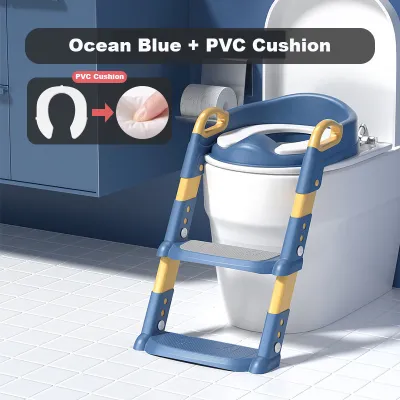
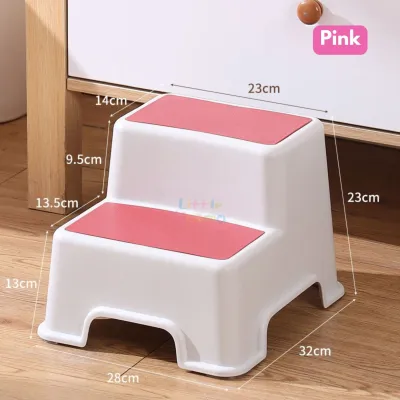
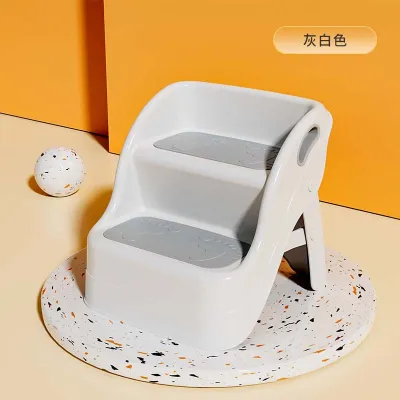
Prices are valid at publication and may change. Please refer to the product page for the latest price.
Beyond the base, the physical construction of the steps themselves plays a vital role in preventing accidental slips. Enclosed step designs, where there are no open gaps between the steps, prevent small feet from slipping through or getting caught during a climb. Additionally, ensure all corners and edges of the stool are smoothly rounded to minimize the risk of scrapes or bruises if your toddler bumps into the unit.
Caregivers must also inspect the overall rigidity of the materials. When pressure is applied to the center of the step, the material should not flex or bow. A flexing step can startle a toddler, causing them to lose their balance and hesitate to use the stool in the future.
Matching Step Height and Configuration to Your Toilet
To ensure your toddler can use the toilet comfortably and ergonomically, you must measure your specific bathroom setup before purchasing. Start by measuring the vertical distance from your bathroom floor to the top edge of the toilet seat. This measurement serves as your baseline for determining how high the step stool needs to be to allow your child’s feet to rest flat while seated, which is crucial for proper bowel elimination posture.

Step stools generally come in single-step or multi-tier configurations, and the right choice depends on your child’s height and physical coordination. Single-step models are often sufficient for taller toddlers or lower-profile toilets, offering a simple platform that is easy to step onto. Multi-tier designs, such as two-step stools, are highly beneficial for standard or high-profile toilets, providing a gradual climb that accommodates shorter legs and younger toddlers who still need to build climbing confidence.
The surface of each step must offer excellent traction to prevent slips, especially when your child is wearing socks or has wet feet after a bath. Look for stools with heavily textured stepping surfaces, such as raised rubber dots, molded patterns, or complete non-slip rubber overlays. These textures provide essential tactile feedback, helping your toddler feel secure as they position their feet to turn around and sit down.
Consider how the stool aligns with the curve of your toilet base. Many potty training stools feature a contoured, curved front edge designed to wrap snugly around the pedestal of standard toilets. This contouring allows the stool to sit flush against the toilet, minimizing the gap your child has to cross when stepping from the stool onto the toilet seat.
Weighing Materials, Durability, and Daily Portability
Choosing between different materials involves balancing durability, weight, and ease of maintenance in a damp bathroom environment. High-density plastics are exceptionally popular because they are lightweight, highly resistant to moisture, and easy to sanitize with standard household cleaners. They do not warp, rot, or harbor mold in high humidity, making them a highly practical choice for busy households.
Treated wood step stools offer a classic aesthetic and substantial weight, which naturally enhances stability. However, wood requires a high-quality, non-toxic sealant to protect it from water damage, urine splashes, and bathroom humidity. If you select a wooden model, you must regularly inspect the joints and finish to ensure the wood is not absorbing moisture, swelling, or splintering over time.
The weight of the stool directly influences both its stability and how easily your toddler can move it. While a heavier stool is less likely to slide, it may be too heavy for a young child to position independently. If you opt for a lightweight plastic model to encourage independence, ensure it compensates for its low weight with a wider base and superior rubberized floor grips to maintain stability.
For bathrooms with limited floor space, space-saving designs like folding, nesting, or stackable stools are highly practical. If you choose a folding step stool, carefully evaluate the locking mechanisms to ensure they engage securely and cannot be easily disengaged by curious fingers. The hinges must be designed to prevent pinching, with tight tolerances that keep small fingers safe during setup and storage.
Planning for Long-Term Use Beyond Potty Training
A high-quality step stool can serve your family long after the potty training phase is complete, provided you plan for its transition value. Before purchasing, check the manufacturer’s specified weight limits and structural guidelines to ensure the stool can safely support an older, heavier child. A stool with a generous weight capacity can easily transition to the bathroom sink, allowing your child to wash their hands and brush their teeth independently.
Consider the height of your standard bathroom vanities when evaluating a stool’s long-term utility. A two-step stool that was perfect for reaching a high toilet seat may also be the ideal height for reaching a standard-height sink basin. As your child grows, a multi-step stool with removable tiers can be adjusted to match their changing height requirements, extending the product’s useful lifespan.
Aesthetic design also plays a role in how well a stool integrates into your home over time. While bright colors and cartoon characters might appeal to a toddler initially, neutral colors and minimalist profiles blend more seamlessly into general household spaces. Choosing a clean, understated design allows the stool to transition to the kitchen, closet, or playroom without clashing with your home decor.
Always verify the manufacturer’s structural warranty and care instructions to ensure the materials are rated for years of daily use. Investing in a durable, well-constructed stool from the outset reduces the need for replacements and ensures a safe platform for your child’s ongoing developmental milestones.
Pre-Purchase Bathroom Setup and Compatibility Checklist
Before finalizing your purchase, it is essential to conduct a thorough physical assessment of your bathroom layout. Measure the clear floor space directly in front of and around your toilet to ensure the stool’s footprint will not obstruct bathroom doors, under-sink cabinets, or shower enclosures. A stool that is too large can become a constant tripping hazard for other family members and may force you to constantly move it out of the way.
If you plan to use a separate potty training seat reducer that sits on top of your adult toilet seat, verify how the step stool’s height aligns with this setup. A seat reducer adds slightly to the overall height your child must reach. Ensure the step stool provides enough elevation so your toddler can easily step up, turn around, and sit comfortably on the reduced seat without straining or losing balance.
Examine your bathroom floor for any uneven transitions, deep grout lines, or sloping tiles near the base of the toilet. Even the most stable step stool can wobble if placed on an uneven surface, compromising its safety. If your floor has significant tiling variations, look for stools with adjustable feet or flexible rubber bases that can conform to minor floor irregularities.
Finally, plan a dedicated storage spot for the stool when it is not in use, especially if you share a single bathroom. If space is tight, verify whether the stool can be easily tucked beside the toilet pedestal or if a folding model is necessary to keep the walkway clear and safe for everyone in the household.
Frequently Asked Questions (FAQ)
At what age should I introduce a step stool for potty training?
Introducing a step stool should be guided by your child’s physical milestones rather than a strict chronological age. Look for signs of developmental readiness, such as the ability to walk independently, climb stairs with minimal assistance, and maintain steady balance when standing. Most toddlers begin showing these physical capabilities between 18 and 24 months, but every child develops at their own pace. Regardless of age, close caregiver supervision is absolutely essential during the initial introduction to ensure your child learns to step up and down safely.
Can I use a regular household step stool for my toddler?
It is highly recommended to avoid using standard adult utility stools for toddlers, as they are not engineered for a child’s unique safety needs. Adult stools often lack the specialized non-slip surfaces, wide anti-tip bases, and enclosed step designs that prevent small feet from slipping or getting trapped. Furthermore, adult stools are frequently too high, presenting a significant fall risk if a toddler loses their balance. Investing in a dedicated toddler step stool ensures the dimensions and safety features are tailored specifically to their size and developmental stage.
How do I clean and maintain the step stool to prevent mold?
To keep the step stool hygienic and prevent mold growth in a humid bathroom, establish a regular cleaning and drying routine. Always refer to the manufacturer’s care instructions to identify approved cleaning agents, as harsh chemicals can degrade rubberized grips and non-slip surfaces over time. Wipe down the stool regularly with a mild soap solution, paying close attention to the underside and the bottom grips where moisture tends to collect. Ensure the stool is thoroughly dried and stored in a well-ventilated area to prevent moisture buildup and maintain its slip-resistant properties.
Community discussion
Share your experience or ask a question. Comments are reviewed before publication.