
Potty training is a monumental milestone in a toddler’s development, but transitioning this newly acquired skill from the comfort of home to the unpredictable outdoor world can feel daunting. A reliable portable toilet provides a familiar, clean, and immediate solution that bridges the gap between home training and public restrooms. Having a dedicated on-the-go potty minimizes accidents, reduces parental stress, and ensures that your child’s training routine remains consistent even during family outings, park visits, or long car rides.
To make this transition successful, the right travel potty must balance compact portability, structural stability, splash protection, and effortless cleaning. Choosing a model that fits your specific travel habits ensures you are always prepared, whether you are navigating a crowded shopping mall or exploring an outdoor nature reserve.
Essential Features to Evaluate in a Portable Potty
Portability and Storage When you are managing a toddler, diaper bags, strollers, and toys, the physical footprint of your travel gear is of paramount importance. A portable toilet must feature a compact, space-saving design that fits seamlessly into your lifestyle. Look for lightweight materials that do not compromise structural integrity, allowing you to carry the unit without added physical strain. Foldable mechanisms should operate smoothly, allowing the legs or frame to collapse flat so the potty can be tucked into a stroller basket, a car boot, or even a medium-sized diaper bag. The ease with which you can deploy and pack away the potty directly influences how often you will feel comfortable taking it on outings.
Products mentioned in this guide

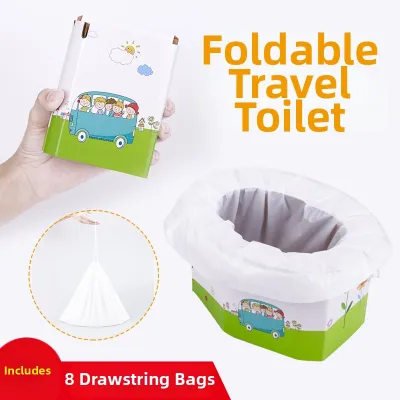
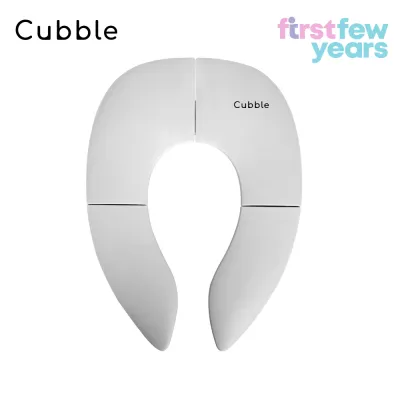
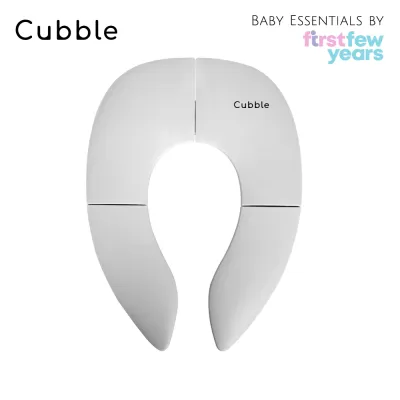
Prices are valid at publication and may change. Please refer to the product page for the latest price.
Stability and Safety Boundaries A child must feel completely secure when sitting on a potty, as any slipping or wobbling can trigger fear and cause a setback in their training progress. High-quality portable toilets feature robust non-slip bases or rubberized feet that grip smooth surfaces firmly. This is particularly critical on public restroom floors, tiled mall corridors, or outdoor pavements where moisture can make surfaces slippery. Beyond physical grip, safety is deeply tied to structural limits. Caregivers must always read the product label to verify the manufacturer’s stated weight capacity and recommended age range. Never assume a potty is suitable based solely on its physical size, as internal structural reinforcements vary widely between brands.
Splash Guards and Ergonomics An ergonomic design is essential for encouraging toddlers to sit long enough to eliminate successfully. Contoured seats that support the natural curve of a child’s hips and thighs help them maintain a comfortable, relaxed posture. For parents of boys, a built-in, elevated splash guard is an indispensable feature. The splash guard must be high enough to redirect urine downward into the bowl, preventing messy spills onto clothes, shoes, or surrounding floors. Even for girls, a well-designed front guard helps contain splashes and keeps the entire process hygienic and stress-free.
Ease of Cleaning When you are away from home, access to running water and soap can be highly limited or non-existent. Therefore, the potty’s material and construction must facilitate rapid, hassle-free cleaning. Smooth, non-porous plastics that resist staining and do not absorb odors are the industry standard. Look for models with removable inner bowls that can be lifted out independently, allowing you to empty the contents directly into an adult toilet or waste bag without moving the entire frame. Compatibility with standard, widely available disposable liners is another critical feature, turning a potentially messy cleanup into a simple tie-and-toss task.
Common Types of Travel Potties and Their Best Use Cases
Foldable Travel Potties
Foldable travel potties are standalone units engineered with legs that fold flat against the main body when not in use. These legs typically feature secure locking pins or mechanical tabs that click firmly into place when fully extended, creating a rigid, self-supporting frame. This design allows the potty to sit directly on the ground, creating a miniature toilet setup anywhere you need it.

This type of portable toilet is exceptionally well-suited for family road trips, outdoor camping adventures, beach excursions, or as a permanent fixture in your car boot. Because they do not rely on existing bathroom infrastructure, they provide a completely independent toileting option on long highway stretches where service stations are far apart.
However, foldable potties do have specific limitations. They generally require you to empty and thoroughly wash the inner bowl after each use, which can be challenging if you do not have immediate access to a utility sink or outdoor tap. They also tend to have a slightly bulkier folded profile compared to simple bag-style designs, meaning they require dedicated storage space in your vehicle or stroller.
Before allowing your toddler to sit, always perform a physical safety check. Ensure that all folding legs are fully extended and that the locking pins have clicked completely into their designated slots. A partial engagement can cause the potty to collapse under the child’s weight, leading to potential injury and a severe aversion to using the potty in the future.
Disposable Liner and Bag-Style Potties
Disposable liner and bag-style potties are ultra-lightweight, minimalist frames designed specifically to hold a plastic bag in place. These systems bypass the need for a traditional solid bowl entirely. Instead, they utilize leak-proof, heavy-duty plastic bags equipped with super-absorbent pads inside—highly similar to the absorbent core material found in standard disposable diapers—to rapidly solidify liquid waste and contain odors.
This design is the ultimate choice for short outings, local neighborhood parks, crowded festivals, or any environment where public restrooms are either entirely absent or highly unhygienic. Because the entire mess is contained within a disposable bag, cleanup is instantaneous: you simply tie the bag shut and dispose of it in a standard waste bin, with no scrubbing or rinsing required.
The primary limitation of this style is the ongoing financial cost. Parents must continuously purchase compatible or proprietary disposable liners, which can accumulate significant expenses over a long potty-training journey. Additionally, if the bag’s absorbent pad capacity is small, managing heavy bowel movements or multiple consecutive uses can be difficult and carries a higher risk of accidental leaks if not handled with extreme care.
Multi-Functional Potty Seats (2-in-1 or 3-in-1)
Multi-functional potty seats are clever, hybrid designs that serve a dual purpose. When the legs are folded down, they function as a standalone portable toilet utilizing disposable bags. When the legs are folded completely flat and extended outward, the unit transforms into a toilet seat reducer that rests securely over a standard adult toilet bowl.
This hybrid functionality makes them incredibly valuable for indoor environments such as shopping malls, airports, restaurants, and public transit hubs. By placing the reducer seat over a public toilet, you provide your child with a clean, familiar, and appropriately sized seating surface, shielding them from direct contact with unhygienic public toilet seats.
However, these seats require active parental involvement. Because adult toilet bowls vary dramatically in shape, width, and material, a reducer seat may not fit perfectly on every public fixture. The caregiver must physically support or closely monitor the child to prevent the seat from shifting or sliding during use.
For a safe experience, always verify the seat’s grip mechanism on the adult toilet before helping your child climb up. Ensure the rubberized pads on the underside of the reducer are making solid contact with the porcelain or plastic rim, and always remain within arm’s reach of your toddler to prevent slips or falls.
A Decision Guide for Choosing the Right Portable Toilet
Assessing Your Typical Outing Selecting the perfect portable toilet requires a clear assessment of your family’s daily habits and travel patterns. If your outings primarily consist of quick trips to local playgrounds, botanical gardens, or outdoor markets where public toilets are scarce but waste bins are plentiful, a lightweight bag-style potty offers unmatched convenience. Conversely, if your lifestyle involves frequent weekend road trips, camping, or stays at locations with basic washing facilities, a sturdy foldable potty with a reusable inner bowl is a more sustainable, cost-effective, and environmentally friendly choice over the long term.
Navigating Public Restroom Anxiety Many toddlers experience intense anxiety when introduced to public restrooms. The echoing sounds, bright fluorescent lighting, and sudden, deafening roar of automatic flushing toilets can be incredibly overwhelming for a young child. A multi-functional potty seat helps ease this transition by providing a consistent, familiar physical boundary. Using the same seat shape they are accustomed to at home helps minimize their fear of falling into the wide opening of an adult toilet, giving them the confidence needed to eliminate in unfamiliar environments.
Verifying Specifications Before making a final purchase, look past aesthetic designs and carefully inspect the product specifications. Check the manufacturer’s product label for the exact maximum weight limit to ensure it can safely support your child’s current weight with room for growth. Verify that the materials used are certified non-toxic and BPA-free, as the plastic will have direct contact with your child’s bare skin. Additionally, measure the folded dimensions of the potty to confirm it will fit comfortably inside your preferred travel bag or stroller storage compartment.
Where to Buy Safely To ensure the safety and authenticity of your child’s travel potty, always purchase from official brand stores, specialized brick-and-mortar maternity and baby retailers, or reputable online marketplaces. Buying from authorized sellers guarantees that the product complies with regional safety standards and has not been subject to product recalls. Furthermore, purchasing genuine products ensures you have access to official manufacturer warranties and a reliable supply of compatible replacement parts, such as specific disposable liners designed to fit your potty’s unique frame securely.
Hygiene and Maintenance Strategies for Outings
Building a Dedicated Potty Kit A successful potty training outing relies on preparation. Create a dedicated, water-resistant potty kit bag that remains packed and ready by your front door. This kit should contain a generous supply of biodegradable waste bags, travel-sized disinfectant wipes, hand sanitizer, a small bottle of clean water for quick rinsing, and a dedicated wet bag to isolate any soiled clothing in the event of an accident. Having all these items organized in one place ensures you can respond to your child’s sudden urges calmly and hygienically.
Managing Waste Disposal Proper waste management is crucial for maintaining public hygiene and environmental respect. When using disposable liners, ensure the bag is tied tightly with a double knot before placing it into a public waste bin. If you are using a standalone potty bowl and do not have immediate access to a toilet to empty it, pour a small amount of water from your kit into the bowl to dilute the waste, then place the entire inner bowl inside a large, leak-proof, sealable silicone or plastic bag. This keeps the soiled bowl securely isolated and prevents leaks in your stroller or car until you reach a suitable washing facility.
Preventing Odors and Mold In warm, humid climates such as Singapore, moisture and organic residue trapped in small crevices can quickly become breeding grounds for bacteria, mold, and persistent odors. After cleaning your portable toilet, never pack it away while it is still damp. Use a dry cloth or paper towel to thoroughly dry all components, paying close attention to folding joints, hinges, and the underside of the removable bowl. Allowing the components to air dry completely before storing them in an enclosed diaper bag or car boot is the most effective way to preserve the hygiene and lifespan of the product.
Knowing When to Pause Potty training is a complex developmental milestone that rarely follows a perfectly straight path. Travel, changes in routine, and the sensory stimulation of new environments can easily cause stress, leading to temporary potty training regression. If your toddler displays intense resistance, anxiety, or distress when asked to use the portable toilet, do not force the issue. It is entirely acceptable to temporarily pause training and revert to pull-up diapers during transit to keep the experience positive and pressure-free. If severe anxiety or physical withholding of bowel movements persists, consult your pediatrician or a qualified child development specialist for professional guidance.
Frequently Asked Questions (FAQ)
How do I clean a portable potty when there is no sink nearby?
If you find yourself without access to running water, immediately wipe down the seat and inner bowl using dedicated baby-safe disinfectant wipes to remove surface residue. If you cannot rinse the bowl thoroughly, place it inside a large, sealable plastic bag with a splash of travel-sized cleaning solution or water. This prevents any remaining waste from drying and adhering to the plastic, making it much easier to wash thoroughly once you return home or find a proper utility sink.
Can a portable toilet be used as a step stool?
No, you should never allow your child to stand on a portable potty unless the manufacturer explicitly states on the product label that the unit is structurally reinforced and rated for use as a step stool. Standard travel potties are designed with hollow plastic bases optimized to distribute static, sitting weight. Standing on them applies concentrated, dynamic weight that can cause the plastic to buckle or collapse, posing a severe fall and injury risk to your toddler.
At what age should I introduce a travel potty?
Travel potties are generally introduced when a child begins showing consistent signs of potty training readiness, which typically occurs between 18 and 30 months of age. Rather than relying on a strict calendar age, you should evaluate physical developmental milestones, such as your child’s ability to sit unassisted, maintain balance, and climb onto the seat safely. Always cross-reference your child’s current development with the manufacturer’s minimum age and weight guidelines listed on the product packaging before introduction.
Community discussion
Share your experience or ask a question. Comments are reviewed before publication.