
Potty training is a major developmental milestone, but maintaining consistency when leaving the house can feel like a daunting challenge. A reliable travel potty foldable design provides a familiar, hygienic, and immediate solution for your toddler, ensuring that sudden urges do not disrupt their hard-earned progress. Choosing the right model requires balancing structural stability, folding mechanics, leak prevention, and cleaning convenience against your family’s daily routines.
Why a Travel Potty Foldable Design Supports Consistent Potty Training
Potty training relies heavily on routine, familiarity, and psychological comfort. When toddlers are placed in unfamiliar environments—such as busy shopping malls, crowded transit hubs, or public parks—the sheer size, noise, and unpredictability of public restrooms can trigger intense anxiety. This anxiety often leads to toilet refusal or sudden regression, where a child experiences avoidable accidents. A dedicated portable potty acts as a familiar safety zone. Because it is the same seat they have practiced with at home, it provides immediate reassurance and helps bridge the gap between different environments.
Furthermore, standard public toilets are rarely designed with toddlers in mind. High seats, loud automatic flushes, and questionable hygiene standards can make public restrooms highly intimidating for a young child. Having a compact, foldable option in your diaper bag or stroller basket ensures you always have a controlled, sanitary setup. This immediate accessibility is especially crucial during the early stages of training when the window between a toddler announcing their need and the actual event is incredibly short. By eliminating the frantic search for a clean toilet, you maintain a positive, stress-free training momentum.
Products mentioned in this guide
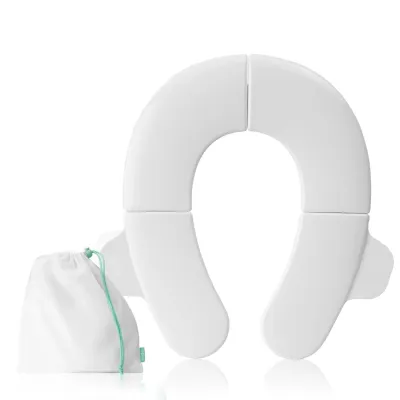
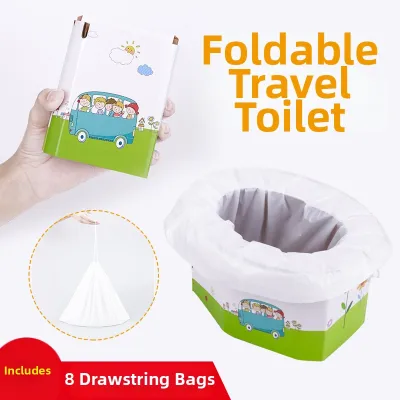
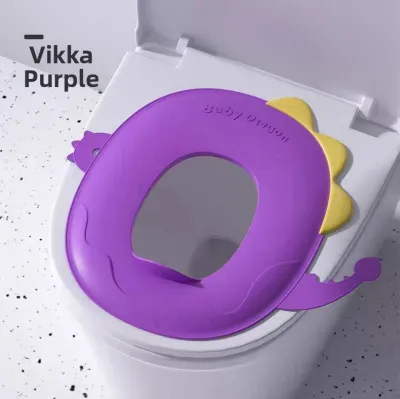
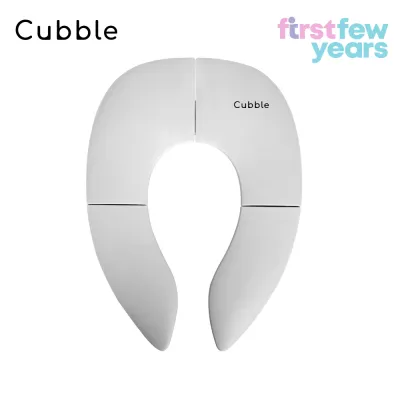
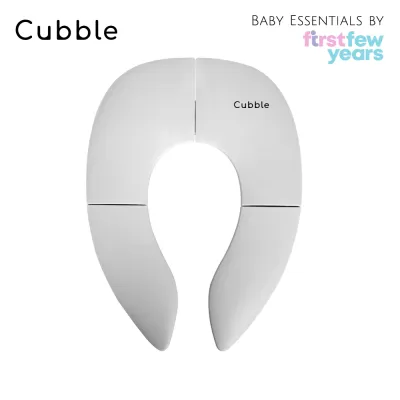
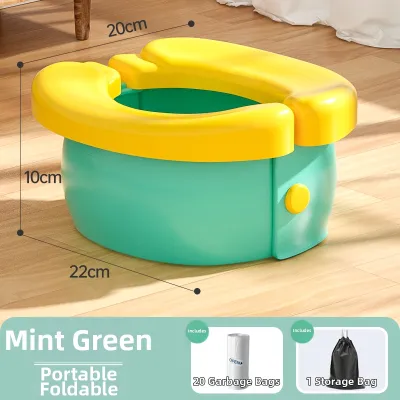
Prices are valid at publication and may change. Please refer to the product page for the latest price.
4 Core Features to Evaluate Before You Buy
When shopping for a portable potty, it is easy to get overwhelmed by the variety of designs available on online marketplaces. However, focusing on specific engineering and material details will help you select a model that is both safe and practical. Before making a purchase, parents should carefully evaluate four primary dimensions to ensure the product meets their daily needs.

Stability and Weight Capacity
A toddler must feel completely secure when sitting on a potty; any wobbling, sliding, or flexing can cause fear and set back their training progress. When evaluating a foldable model, start by checking the manufacturer’s stated maximum weight capacity in the product documentation. This is not a parameter to guess; a potty that collapses under a child’s weight can cause physical injury and severe psychological setbacks, making them fearful of potty training altogether. Ensure this limit comfortably accommodates your child’s current weight with room for growth over the next six to twelve months.
Next, examine the footprint of the potty. A wider base provides a lower center of gravity, which significantly reduces the risk of the potty tipping over if your toddler shifts their weight, wiggles, or tries to stand up. Look for models equipped with robust non-slip rubber feet or grip pads on the bottom. These grips are essential for preventing the potty from sliding on smooth, wet surfaces, such as polished mall tiles, airport restroom floors, or wet outdoor pavements. Before your first outing, set up the potty on a flat surface at home and gently press down on different sides of the seat to observe how it handles off-center pressure. Always supervise your child actively during use, and inspect the frame regularly; if you notice any flexing, bending, or structural instability, stop using the product immediately.
Folding Mechanism and Portability
The primary appeal of a travel potty is its portability, but a compact size is useless if the folding mechanism is overly complex or stiff. When a toddler needs to go, every second counts, and a delay of even thirty seconds can mean the difference between a successful potty break and a complete outfit change. Look for a potty that features a simple, intuitive folding mechanism that can ideally be operated quickly, even with one hand while holding a squirming child in the other.
Before buying, verify the exact folded dimensions to ensure the potty fits easily into your daily gear, whether that is a standard diaper bag, the under-seat basket of your stroller, or a compact car boot. Pay close attention to the folding joints and hinges. These joints must have secure locking mechanisms that click firmly into place, preventing the potty from accidentally collapsing while your child is seated. Additionally, inspect the hinge design to ensure there are no pinch points that could catch your fingers or your child’s skin during assembly or folding. A high-quality model will lock securely in both the open and closed positions, ensuring it does not spring open inside your bag.
Leak Prevention and Liner Compatibility
Managing waste hygienically on the go requires a reliable containment system that prevents leaks, spills, and odors. Travel potties generally fall into two categories: those with a built-in, removable collection bowl and open-frame designs that rely entirely on disposable plastic liners. If you opt for an open-frame model, check whether it requires proprietary, brand-specific liner bags or if it is compatible with standard, generic disposable bags or absorbent pads. Relying on proprietary liners can significantly increase long-term running costs and leave you stranded if you run out while away from home.
For effective leak prevention, look for a potty with a secure bag-holding ring or clips that lock the liner firmly in place, preventing it from slipping or sagging under weight. Additionally, a well-designed splash guard is essential, particularly for boys, to prevent accidental spills and sprays. A splash guard should be high enough to contain spray but contoured comfortably so it does not interfere with the child sitting down or standing up. If the potty uses a reusable silicone or plastic bowl, ensure it fits tightly into the frame and can be sealed securely with a leak-proof lid during transit if immediate disposal is not possible.
Cleaning Convenience and Material Safety
A travel potty must be easy to sanitize, as you will often have to clean it in public restrooms or outdoor settings with limited supplies. Prioritize designs with smooth, crevice-free surfaces where dirt, moisture, and bacteria cannot easily hide. Removable parts, such as a detachable seat or collapsible silicone bowl, make the rinsing and wiping process much more manageable. Avoid models with complex structural ribbing on the underside of the seat, as these grids are notorious for trapping waste and are incredibly difficult to clean thoroughly on the go.
Material safety is another critical consideration. Check the product packaging or manufacturer specifications to verify that the plastic components are free from harmful chemicals, such as BPA, phthalates, and PVC. Since the potty will come into direct contact with your child’s sensitive skin, high-quality, medical-grade silicone or food-grade plastics are preferred. Some manufacturers may claim their potties feature antibacterial or easy-clean coatings; however, you should always verify these claims against the official care instructions. Avoid using harsh chemical wipes, bleach, or abrasive cleaners unless explicitly permitted by the manufacturer, as these can degrade the protective coatings, discolor the material, or weaken the plastic over time, leading to premature structural failure.
Matching Potty Features to Your Travel Scenarios
Your daily routine and travel habits should dictate which features you prioritize. A family that primarily travels by car has very different needs compared to a family navigating public transport or exploring nature reserves. To help you determine the best fit, consider how the key features align with your primary travel environments.
| Travel Scenario | Highest-Priority Features | Key Considerations | Recommended Design Type |
|---|---|---|---|
| Road Trips & Car Travel | Comfort, Stability, Splash Guards | Weight and folded size are less critical; focus on structural sturdiness and seat comfort. | 2-in-1 hybrid potty with a sturdy frame or built-in bowl. |
| Public Transport & Flights | Compactness, Lightweight, Quick Fold | Must fit discreetly in a diaper bag; requires instant setup and reliable liner attachment. | Ultra-lightweight, flat-folding open-frame potty. |
| Outdoor Adventures & Parks | Wide Base, Non-Slip Feet, Secure Liners | Needs to stand stable on uneven ground like grass or sand; requires highly absorbent liners. | Sturdy open-frame potty with wide, stable feet and disposable gel liners. |
Road Trips and Car Travel
If your family travels frequently by car or enjoys weekend road trips, space and weight are less of a constraint. In this scenario, you can prioritize maximum comfort and structural stability. A slightly heavier, sturdier potty with a contoured seat and a high backrest will make your toddler feel more at home during roadside stops.
You can easily keep the potty fully assembled or partially folded in your car boot or on the floorboard of the back seat for immediate access. Since you are not carrying the potty on your shoulder, look for models that feature a larger waste capacity or a dual-use design that can transition from a standalone potty to a toilet trainer seat. This setup allows you to pull over safely in a parking lot, rest area, or along a quiet road, and set up a familiar toilet environment in seconds, minimizing the stress of long journeys.
Public Transport and Flights
Navigating public transit networks, buses, or busy airport terminals demands a completely different approach. Here, bulk and weight are your primary obstacles. You need an ultra-compact, lightweight potty that folds flat and can be slipped discreetly into a tote bag or backpack without adding unnecessary bulk.
In tight spaces, such as airport family restrooms or small airplane cubicles, a quick-setup mechanism is vital. Look for a potty that can be unfolded and locked with a single motion. Because you cannot easily wash a reusable bowl in a public sink, an open-frame design that utilizes disposable, absorbent liners is highly recommended. This allows you to tie up and dispose of the waste immediately in a sanitary bin, keeping your hands and the potty frame clean.
Outdoor Adventures and Parks
For families who love spending weekends at outdoor parks, nature reserves, or beach playgrounds, the challenges are uneven terrain and a lack of nearby waste facilities. An outdoor-friendly travel potty must have a wide, stable base and adaptable feet that can grip uneven ground, grass, or sand without tipping.
A reliable waste disposal strategy is critical in outdoor settings where public bins may be far apart. Always pair your potty with high-quality, leak-proof disposable liners containing superabsorbent pads that instantly turn liquid waste into a manageable gel. This minimizes the risk of spills while you carry the sealed bag to the nearest appropriate waste disposal point. Ensure the potty has a high, effective splash guard to protect against wind and uneven seating angles.
Safety, Hygiene, and Maintenance Boundaries
To ensure your foldable travel potty remains safe and hygienic throughout its lifespan, establishing a consistent inspection and maintenance routine is essential. Before every outing, perform a quick pre-use inspection. Check all hinges, joints, and locking tabs for signs of wear, hairline cracks, or stiffness. If any part of the frame is cracked, or if the locking mechanism fails to click securely, do not use the potty, as it could collapse under your child’s weight.
Always observe strict usage boundaries. Travel potties are designed for temporary, on-the-go situations and should not replace a standard home potty chair or toilet seat reducer for daily, long-term use. Never leave your toddler unattended on a travel potty, even for a moment; always provide active adult supervision to prevent falls or tipping. Strictly adhere to the manufacturer’s specified age, height, and weight limits to ensure structural safety.
Maintaining hygiene in warm, humid climates requires immediate action to prevent the growth of mold and bacteria. Empty and clean the potty as soon as possible after use. For a basic, low-risk cleaning routine, wipe down the entire frame with mild dish soap and warm water, or use baby-safe sanitizing wipes. Avoid harsh bleach or alcohol-based cleaners unless they are explicitly recommended in the product manual, as these chemicals can degrade plastic and silicone parts. Always allow the potty to air-dry completely in a well-ventilated area before folding and packing it away. Storing a damp potty in a closed diaper bag will quickly lead to mold and unpleasant odors. Finally, store the dry, folded potty in a cool, dry place inside your home; avoid leaving it in a hot car boot for extended periods, as extreme heat can warp the plastic and weaken structural joints.
Frequently Asked Questions (FAQ)
Can I use a foldable travel potty as a toilet seat reducer?
Whether you can use a travel potty on an adult toilet depends entirely on its specific design and manufacturer certification. Some 2-in-1 models are specifically engineered with legs that fold flat outwards to rest securely on a standard adult toilet seat. However, many foldable travel potties are strictly designed for floor-based use and lack the structural stability or non-slip contact points required for elevated toilets. Before attempting to use the potty as a seat reducer, consult the manufacturer’s instruction manual. If the product is not explicitly certified for dual-use, do not place it on an adult toilet, as it could slip, causing injury or frightening your child.
How do I dispose of waste safely when using a travel potty outdoors?
Hygienic waste disposal is crucial for public health and environmental protection. When using a travel potty outdoors, always use disposable liners equipped with absorbent gel pads, which solidify liquid waste and prevent messy spills. Once your child is finished, tie the liner bag securely to seal in odors and moisture. Dispose of the sealed bag in the nearest designated general waste bin. Never dump raw waste, wipes, or liners in bushes, drains, or natural waterways, and do not leave them behind in public parks. If no waste bins are immediately available, store the sealed liner in a dedicated wet bag until you reach a suitable disposal facility.
Community discussion
Share your experience or ask a question. Comments are reviewed before publication.