
Bath time is a wonderful opportunity for bonding, but it can quickly turn stressful when water and soap suds slide down into your baby’s eyes and ears. Traditional rinsing methods, such as tilting the head back or using a handheld cup, often lead to accidental splashes that trigger crying and anxiety. A baby shower cap, also known as a bath visor, serves as a practical shield to keep the face dry and comfortable. By redirecting the flow of water away from sensitive facial areas, this simple accessory helps maintain a calm, tear-free environment.
However, it is essential to remember that a shower cap is strictly a comfort aid and never a safety device. It must never replace active, hands-on caregiver supervision during bath time. Understanding what features to look for can help you select a cap that is both comfortable for your baby and highly effective at keeping soapy water where it belongs.
Essential Safety and Design Features to Evaluate
Selecting the right bath visor requires looking beyond cute designs and bright colors. To ensure the accessory is both effective and comfortable, you should evaluate three core pillars: a secure fit, skin-friendly materials, and an efficient water-deflecting structure. Because babies grow rapidly, a cap that fits securely one month might become too tight or loose the next.
Products mentioned in this guide
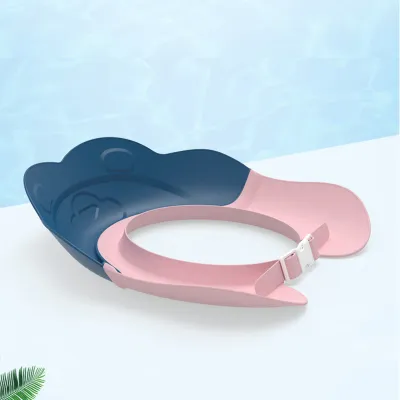
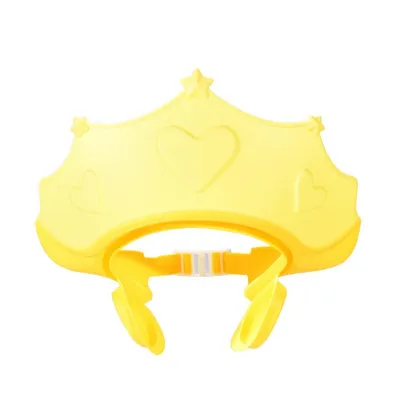
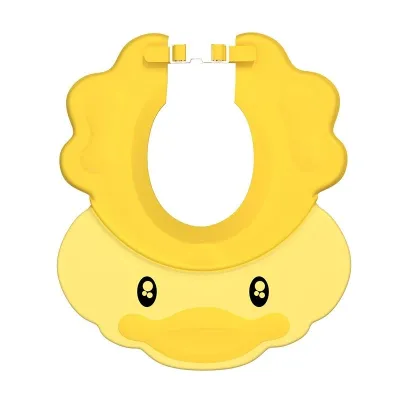

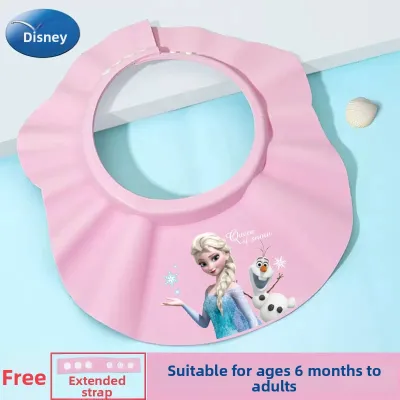
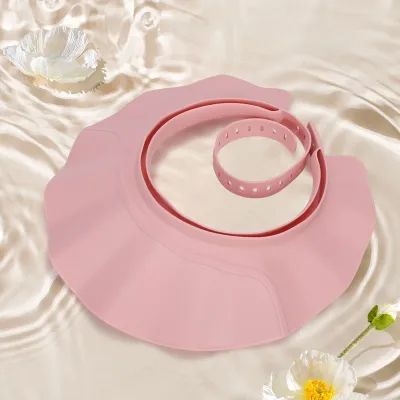
Prices are valid at publication and may change. Please refer to the product page for the latest price.
Always check the manufacturer’s packaging or product documentation for specific age, weight, and head circumference recommendations before making a purchase. Relying on these specifications ensures that the cap will perform as intended without causing discomfort or safety hazards during use.
Adjustable and Secure Fit Mechanisms
A shower cap must stay firmly in place while your baby moves, yet it should never pinch or squeeze their delicate head. Look for adjustable closure mechanisms such as multi-position snap buttons, soft hook-and-loop fasteners, or highly flexible elastic bands. If you choose an elastic band, ensure it is encased in a wide, soft fabric or silicone cover to prevent it from pulling on fine baby hair.
The fastening mechanism should allow you to customize the tightness incrementally as your child grows. A secure fit distributes pressure evenly across the forehead and temples. If a cap is too tight or concentrates pressure in one spot, it can leave deep red indentations or restrict localized circulation.
When evaluating a product, verify the manufacturer’s specified minimum and maximum head circumference ranges. Choosing a cap with a wide adjustable range ensures long-term usability. It also prevents the visor from slipping down over the eyes mid-rinse, which could cause sudden panic or block your baby’s vision.
Soft and Skin-Friendly Materials
The materials used in baby bath accessories must be exceptionally gentle, as they come into direct contact with sensitive skin that is softened by warm bath water. Common materials include food-grade silicone, soft ethylene-vinyl acetate (EVA) foam, and highly flexible, lightweight plastics. Silicone is highly durable, naturally resistant to water absorption, and easy to sanitize, while EVA foam offers a lightweight, cushioned feel that many infants find less intrusive.
Before purchasing, carefully inspect the product label to verify safety claims and material compositions. Look for manufacturer declarations indicating that the product is free from potentially harmful substances such as bisphenol A (BPA), phthalates, and lead. Because certifications and safety standards can change, verifying these details on the physical packaging is a reliable practice.
Additionally, examine the inner brim or contact edge of the cap. This edge should be cushioned, rounded, or finished with a soft silicone seal to prevent friction, chafing, or scratching against your baby’s forehead and hairline. A smooth, pliable border conforms better to the head, creating a more reliable barrier against water.
Effective Water Deflection and Eye Protection
The primary functional goal of a bath visor is to channel water away from the face, which requires a smart structural design. Look for a wide, sloped brim that acts like an umbrella, directing water backward or out to the sides rather than letting it pool at the front. Some advanced designs feature molded channels or gutters that actively guide the water flow away from the eyes and ears, ensuring that even heavy rinsing does not breach the seal.
Brim rigidity is another critical factor to assess. If the brim is too flimsy, the weight of pouring water can cause it to collapse downward, dumping soapy water directly onto your baby’s face. Conversely, a completely rigid plastic brim might be uncomfortable and fail to conform to the natural curves of the head.
Seek a balanced design where the inner band is highly flexible to create a watertight seal, while the outer brim possesses enough structural integrity to maintain its shape under the weight of a running tap or rinse cup. The design should accommodate various head shapes without leaving gaps at the temples or the nape of the neck where water could leak through.
How to Verify Sizing and Comfort Before Purchase
To avoid the frustration of a cap that leaks or slips, take precise measurements of your baby’s head before shopping. Use a soft, flexible measuring tape and wrap it gently around the widest part of your baby’s head, positioning it just above the eyebrows and ears, exactly where the cap’s inner band will sit. Keep the tape snug but not tight, and write down the measurement.

Once you have this measurement, compare it directly against the specific brand’s sizing chart. Avoid relying on generic age labels like “6-12 months,” as infant head sizes vary dramatically even within the same age group. A cap labeled for toddlers might fit a younger baby with a larger head circumference, or vice versa. Checking the exact dimensions provided by the manufacturer is the most reliable way to ensure a watertight, comfortable fit.
You should also take your baby’s hair volume and texture into account. Thick, curly, or highly textured hair occupies extra space and can prevent a standard shower cap from seating properly against the scalp. If your baby has a full head of hair, look for a visor with a more generous inner opening, a deeper crown area, or highly adjustable straps that can accommodate the extra volume without compromising the watertight seal.
Safe Usage and Supervision Guidelines for Bath Time
Using a baby shower cap correctly requires a gentle touch and careful positioning. When putting the cap on, gently slide it down from the top of the head, positioning the inner band comfortably above the eyebrows. Ensure the ears are either completely tucked under or left entirely free, depending on the cap’s design. If your baby is sensitive to muffled sounds, keeping the ears uncovered can help them stay calm and responsive to your voice during the bath.
Never leave your baby unattended, even for a split second, while they are wearing a shower cap or are in the bath. A bath visor is a comfort accessory designed to manage water flow; it offers absolutely no protection against slipping, tipping over, or drowning. Always maintain constant visual and physical contact with your baby throughout the entire bathing process, keeping one hand nearby to support them if they lose their balance.
If your baby is hesitant about wearing a hat or visor, introduce the shower cap gradually outside of the bathroom. Let them hold, touch, and play with the cap in a dry, low-pressure environment like the living room. You can place it on a favorite stuffed animal or wear it yourself to show them it is safe and fun. Once they are comfortable with the object, introduce it during bath time, offering plenty of praise and reassurance as you slip it on.
Signs It Is Time to Replace the Shower Cap
Like all baby bath accessories, shower caps are subject to wear and tear and must be inspected regularly for safety and hygiene. Over time, exposure to warm water, baby shampoo, and stretching will cause adjustable straps, elastic bands, or the main body of the cap to lose their elasticity. If you notice that water is beginning to seep through the edges or that the cap slips off easily during rinsing, it is time to replace it.
Physical damage is another clear indicator that a replacement is necessary. Inspect the cap frequently for fine cracks, tears, or structural weakening, especially along the seams and adjustment points. In humid bathroom environments, mold and mildew can easily accumulate in the crevices of silicone or foam materials.
If you spot mold buildup that cannot be completely cleaned and sanitized, discard the cap immediately to protect your baby’s skin and respiratory health. Finally, retire the cap as soon as your baby’s head circumference approaches or exceeds the manufacturer’s maximum specified limit, as forcing a tight fit can cause discomfort and restrict circulation.
Frequently Asked Questions (FAQ)
Can a baby shower cap be used for swimming?
No, a baby shower cap is not suitable for swimming. Bath visors are specifically designed to deflect water poured from above, such as during hair rinsing, and they do not create a pressurized, airtight seal. They will not keep your baby’s head dry if they submerge their head in a pool. Furthermore, a shower cap must never be used as a substitute for proper swim gear or as a flotation safety aid, as it cannot support a child’s weight or keep their face above water.
How do I clean and store a silicone baby shower cap?
To clean a silicone baby shower cap, wash it gently with mild baby soap and warm water after every use to remove shampoo residue and body oils. Avoid using abrasive scrubbers or harsh chemical cleaners that could degrade the silicone material. After washing, shake off excess water and hang or place the cap in a well-ventilated area to air-dry completely. Proper drying is essential, especially in humid climates, to prevent the growth of mold, mildew, and bacteria before storing it in a dry drawer or cupboard.
What should I do if the shower cap leaves red marks on my baby's forehead?
If you notice red marks on your baby’s forehead, remove the shower cap immediately. Red marks are a clear sign that the cap is adjusted too tightly, is the incorrect size, or is distributing pressure unevenly. Check the adjustment mechanism to see if it can be loosened, or verify your baby’s current head circumference against the product’s sizing limits. If the marks do not fade quickly or if you notice persistent skin irritation, swelling, or broken skin, discontinue use of the cap and consult a pediatrician for guidance.
Community discussion
Share your experience or ask a question. Comments are reviewed before publication.