
Determining whether the Kate Spade Carter baby bag can accommodate a full day of baby essentials requires looking beyond its designer exterior to evaluate its physical volume, pocket configuration, and your specific daily routine. While a stylish silhouette is appealing, its practical capacity depends on strategic packing, the child’s developmental stage, and verifying the physical dimensions against your daily gear list. A typical day out—navigating transit, visiting parks, or walking through shopping malls—demands a reliable packing strategy that balances weight distribution with quick access to emergency items.
To make an informed decision before purchasing or packing, caregivers must assess how the bag’s structural design aligns with their daily needs. By understanding the physical limits of the bag and adopting efficient organization techniques, you can prevent overpacking while ensuring you have every necessary item on hand for your baby.
Evaluating the Physical Dimensions and Compartment Layout
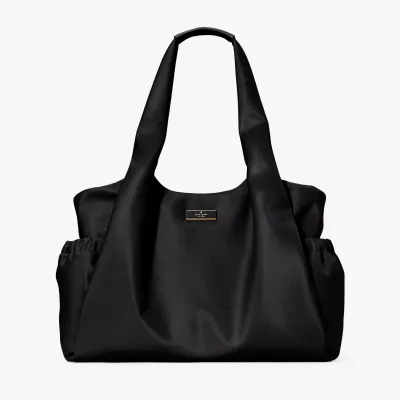
Before packing for a long excursion, verify the manufacturer’s official specifications for the Kate Spade Carter baby bag’s total volume and external dimensions. Knowing the exact height, width, and depth helps you visualize how much physical space is available and prevents you from attempting to pack bulky items that exceed the bag’s structural limits. Compare these measurements with your largest essential items, such as a portable changing mat or a formula dispenser, to ensure they fit comfortably without warping the bag’s shape.
Products mentioned in this guide
Prices are valid at publication and may change. Please refer to the product page for the latest price.
Analyze the main compartment’s opening style and pocket layout to determine how easily you can retrieve items under pressure. A wide-opening main zipper allows for a clear view of the interior, whereas a narrower opening may require you to rummage through stacked items. Count the internal and external pockets to plan your organization; dedicated compartments for bottles, diapers, and personal items prevent smaller accessories from sliding to the bottom of the bag.
Carefully consider the weight of the empty bag before adding any baby gear. A heavier empty weight means you will reach your comfortable carrying limit much faster once the bag is loaded with liquids, spare clothing, and diapering supplies. Carrying an excessively heavy load for several hours can lead to shoulder strain and fatigue, making the bag impractical for long walking trips.
Finally, examine the strap design and adjustability to ensure long-term carrying comfort. Look for wide, padded shoulder straps that distribute weight evenly across your back, or check if the bag includes a convertible crossbody strap. Adjusting the straps to fit your body snugly prevents the bag from shifting excessively while you walk, which is crucial when managing a stroller or carrying your baby simultaneously.
Building a Full-Day Essentials Checklist
Creating a comprehensive checklist based on your baby’s age and your specific itinerary is the most effective way to ensure you pack only what is necessary. For diapering needs, estimate the number of diapers required by calculating the duration of your outing and adding two extra diapers for emergencies. Include a travel-sized pack of wet wipes and a compact, wipeable changing pad that fits easily into one of the bag’s dedicated compartments.

Feeding requirements vary significantly depending on whether your baby is breastfed, formula-fed, or eating solid foods. If formula-feeding, pack pre-portioned formula dispensers and the required number of clean bottles to save space and maintain hygiene. For breastmilk or prepared bottles, verify if the bag features insulated pockets to help maintain temperature, or plan to carry a separate, compact thermal pouch if you need to keep liquids cool during warm days.
Clothing and comfort items must be tailored to the local climate and the environments you plan to visit. In warm, humid climates like Singapore, transitioning from hot outdoor streets to highly air-conditioned shopping centres and baby care rooms requires versatile layers. Pack at least one or two spare rompers, a light swaddle or blanket to protect your baby from cold drafts, and a small plastic bag to store soiled clothing securely.
Do not forget to allocate dedicated space for caregiver essentials to avoid carrying a separate handbag. Ensure there is a secure, easily accessible pocket for your wallet, keys, mobile phone, and personal hygiene items. Carrying a reusable water bottle is also essential for staying hydrated throughout a busy day outdoors, so verify if the bag’s side pockets can securely hold your preferred bottle size.
Packing Strategies to Maximize Interior Space
To maximize the usable space inside the main compartment, utilize small packing cubes or color-coded pouches to group related items together. For example, place all diapering supplies in one pouch and feeding accessories in another. This modular approach prevents loose items from cluttering the interior, makes it simple to transfer gear between bags, and allows you to retrieve exactly what you need without unpacking the entire bag.
Assign specific external or quick-access pockets to high-frequency items that you may need to grab instantly. Items such as hand sanitizers, pacifiers, tissues, and small toys should never be buried deep inside the main compartment. Keeping these essentials in designated outer pockets ensures you can respond quickly to spills, fussiness, or diaper changes without delay.
When packing spare baby clothes, roll each item tightly instead of folding it flat. Rolling minimizes air pockets, reduces wrinkles, and allows you to stack outfits vertically so you can see all available options at a glance. This technique is highly effective for maximizing space in compact compartments and leaves more room for bulkier items like jackets or blankets.
If the bag’s design permits, you may utilize external attachments or stroller straps to hang the bag from your stroller handle. However, you must always verify the stroller manufacturer’s weight limits and safety warnings before doing so. Hanging a heavy bag on a lightweight stroller can cause it to tip backward, presenting a safety hazard for your child. Always supervise your baby and ensure the stroller remains stable when the bag is attached.
Common Packing Mistakes That Waste Space
One of the most common packing errors is carrying “just in case” items that are highly unlikely to be used during a standard day out. In urban areas with excellent infrastructure, such as Singapore, baby care rooms, pharmacies, and convenience stores are widely accessible. Avoid packing excessive backup supplies, as you can easily purchase emergency items like extra wipes or diapers if an unexpected situation arises.
Bringing full-sized product containers instead of travel-sized alternatives quickly consumes valuable interior space and adds unnecessary weight. Transfer lotions, diaper creams, and liquid soaps into small, travel-safe containers, or use sample-sized packets when available. This simple adjustment frees up significant space in your organization pockets for other essential gear.
Failing to clean out the diaper bag after every outing leads to a gradual accumulation of clutter that reduces usable capacity. Used tissues, old receipts, empty food wrappers, and forgotten toys can quickly take over the bottom of the bag. Dedicate a few minutes at the end of each day to empty trash, restock depleted supplies, and ensure the bag is clean and ready for your next trip.
Lastly, ignoring the bag’s structural limits by overstuffing it can cause permanent damage to the zippers, seams, and fabric. Forcing zippers shut puts excessive tension on the stitching, which may lead to tears or sudden failures while you are away from home. If you find yourself struggling to close the bag, re-evaluate your checklist and remove non-essential items to protect the longevity of your gear.
Frequently Asked Questions (FAQ)
Can the Kate Spade Carter fit a standard laptop or tablet?
To determine if a laptop or tablet will fit inside the Kate Spade Carter, you must measure your specific device and compare those measurements against the bag’s internal dimensions. Because diaper bags are primarily designed for baby gear, they may lack a dedicated, padded compartment for electronics. If you must carry a device, place it in a protective, padded sleeve before sliding it into the main compartment to shield it from potential liquid spills, crumbs, or shifting baby items.
Is the bag's interior material easy to clean after a spill?
Before attempting to clean any spills or stains, always check the physical care label sewn inside the bag or consult the manufacturer’s official website for specific cleaning instructions. Many diaper bags feature water-resistant nylon or polyester linings that can be wiped down with a damp cloth and mild soap. If the care instructions are unclear, test a small, inconspicuous area of the interior lining with a gentle cleaner first to ensure the fabric does not discolor or degrade.
Community discussion
Share your experience or ask a question. Comments are reviewed before publication.