
When setting up a travel cot or nursery space, understanding the firmness and material composition of your baby’s mattress is a critical step for safe sleep. For parents evaluating the Joie Illusion mattress—which is designed to fit the Joie Illusion travel cot system—verifying these specifications directly from the manufacturer’s product labels and user manual is essential. Because infant sleep safety relies heavily on a highly supportive, non-yielding surface, you must know how to physically test and verify the mattress’s properties before placing your baby down to sleep.
While product marketing often highlights comfort, an infant mattress must prioritize structural support over plushness. By learning how to read material tags, perform physical firmness checks, and maintain the mattress’s structural integrity, you can ensure a sleep environment that supports your baby’s development and meets rigorous safety standards.
Verifying the Firmness Level for Infant Safety
To ensure your baby’s sleep surface is safe, you must physically assess its firmness rather than relying solely on visual appearance. A simple and reliable way to do this is by performing the hand-press test. Place the mattress on a flat, hard surface and press your open palm firmly down into the center and along the edges. The mattress should resist deep compression and spring back immediately into its original flat shape once you release the pressure. If your hand leaves a lasting indentation or if the surface feels soft and plush, the mattress is too soft for a newborn.
Products mentioned in this guide
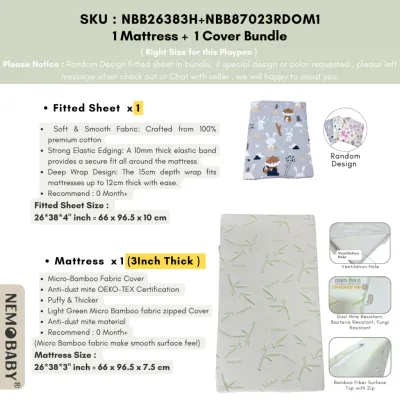
Prices are valid at publication and may change. Please refer to the product page for the latest price.
Infant sleep surfaces require a significantly firmer feel than adult mattresses because babies lack the motor skills to turn themselves over if their faces sink into a soft surface. A firm mattress keeps the baby’s airway clear and reduces the risk of suffocation. When examining the Joie Illusion mattress, look closely at the product tags and the user manual for any official firmness ratings or safety standard compliances, such as European safety standards (EN) or local consumer product safety guidelines.
Additionally, check the product documentation to see if the mattress features a dual-sided design. Some manufacturers design travel cot mattresses with one ultra-firm side intended for newborns and a slightly more resilient, pressure-relieving side for older toddlers. If the mattress is dual-sided, the manufacturer will print clear indicators or labels directly on the cover to guide you on which side should face up during your baby’s first months of life.
Identifying Core Materials and Their Support Role
To understand how the mattress maintains its shape and supports your baby’s growing body, you must decode the material composition tag sewn onto the product. This tag lists the exact fibers and materials used in both the inner core and the outer cover. Typically, travel cot mattresses utilize dense polyurethane foam, bonded polyester fiber pads, or specialized 3D mesh structures. These materials are chosen for their ability to distribute weight evenly and resist sagging under consistent use.

Evaluating the outer cover materials is equally important for maintaining a hygienic and comfortable sleep environment. In warm, humid climates, a breathable cover is essential to prevent heat retention and keep your baby comfortable. Look for covers made from breathable mesh or woven synthetic fibers that promote airflow. At the same time, check if the cover has a built-in waterproof or water-resistant barrier. A waterproof layer prevents diaper leaks and spit-up from penetrating the inner core, where moisture can lead to the growth of mold, mildew, and bacteria.
Before attempting to clean the mattress, cross-reference the listed materials with the manufacturer’s care instructions. Some core materials, particularly certain types of foam, can degrade rapidly if exposed to direct water, high heat, or harsh chemical solvents. Washing a foam core can cause it to crumble, lose its density, or soften permanently, which directly compromises its safety. Always follow the recommended cleaning protocols to preserve the structural integrity of the support layers.
Essential Fit and Maintenance Checks
Even the firmest mattress can become a safety hazard if it does not fit the travel cot perfectly. Before using the Joie Illusion mattress, measure the interior dimensions of the cot and compare them to the mattress dimensions. There must be no gaps wider than two fingers—approximately three centimeters—between the outer edge of the mattress and the fabric walls of the cot. A tight, snug fit prevents your baby from rolling into a gap and becoming trapped, which is a serious suffocation risk.
Maintaining the mattress’s intended firmness over time requires strict adherence to the manufacturer’s cleaning guidelines. If the outer cover is removable, wash it according to the temperature and cycle instructions on the care label. Avoid using fabric softeners, bleach, or strong detergents, as these can break down the flame-retardant properties or waterproof coatings of the fabric. Ensure the cover is completely dry before zipped back over the core to prevent moisture entrapment.
Conduct regular visual and physical inspections of the mattress as part of your weekly routine. Over time, constant pressure from your baby’s body can cause localized sagging or lumps to form in the core. Run your hand across the entire surface to check for uneven areas, soft spots, or tears in the outer cover. If you notice any visible sagging, permanent indentations, or structural damage, stop using the mattress immediately and replace it to ensure your baby continues to sleep on a flat, supportive surface.
Adjusting for Your Baby's Developmental Stages
As your baby grows and reaches new developmental milestones, their sleep support needs will change. An infant who is learning to roll over, sit up, or stand requires a highly stable base that does not yield under their concentrated weight. Check the Joie Illusion user manual for the maximum weight and age limits specified for the mattress and cot system. Exceeding these limits can cause the mattress to bottom out or sag, reducing its safety and support.
If the manufacturer’s manual indicates that the mattress has a dual-firmness design, pay close attention to the recommended transition milestones. Typically, you should keep the ultra-firm side facing up until your baby transition into toddlerhood, or as directed by the product guidelines. When flipping the mattress, ensure that the cover is reinstalled correctly and that the fit remains snug against the cot walls without any warping or curling at the corners.
Finally, remember that standard mattress guidelines are designed for typically developing infants. If your baby was born prematurely, has physical developmental delays, suffers from severe gastroesophageal reflux, or has any musculoskeletal conditions, standard retail mattresses may not provide the specialized support they need. In these cases, always consult a pediatrician or a qualified healthcare professional. They can provide personalized recommendations on the appropriate mattress firmness and sleep positioning devices tailored to your child’s specific medical requirements.

Community discussion
Share your experience or ask a question. Comments are reviewed before publication.