
When purchasing baby bathing products in Singapore, many parents look for an official stamp of approval, often wondering if brands like Johnson & Johnson are HSA-certified. The short answer is that the Health Sciences Authority (HSA) does not issue certifications or approval seals for cosmetic products, which include baby washes, shampoos, and bubble baths. Instead, these items are regulated under a notification system, meaning they must be notified to the HSA before they can be legally sold in the local market.
Understanding this distinction is crucial for caregivers who want to ensure the products they use on their infants are compliant with local safety standards. Rather than searching for a non-existent certification mark, parents should focus on verifying that the product has been properly notified, sourcing it from reputable retailers, and carefully evaluating the ingredient list to match their baby’s specific skin sensitivities. This guide outlines how Singapore’s regulatory framework applies to baby bath products and how you can make informed, safe choices for your child.
Understanding HSA Regulations for Baby Bathing Products
In Singapore, the Health Sciences Authority regulates health and beauty products under different categories based on their intended use and ingredients. Therapeutic products, such as medicated creams designed to treat specific medical conditions like severe eczema or psoriasis, undergo a rigorous pre-market evaluation and registration process. These products receive a specific registration number that must be displayed on their packaging.
Products mentioned in this guide
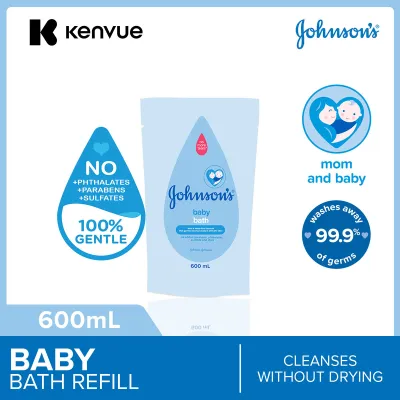
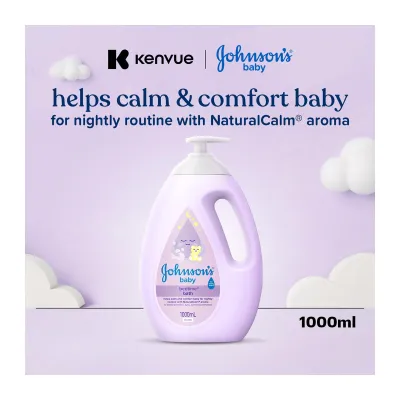
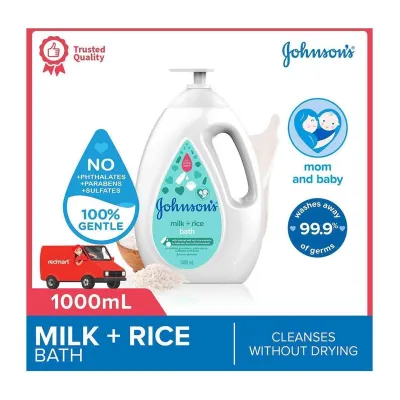
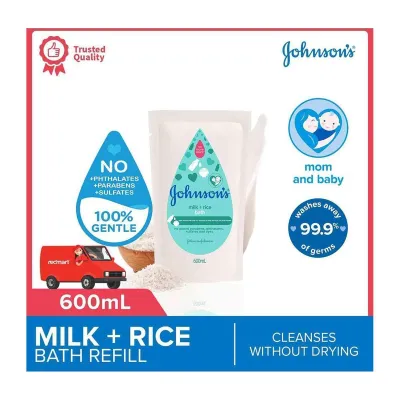
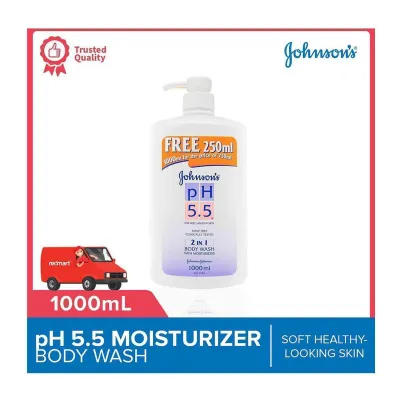
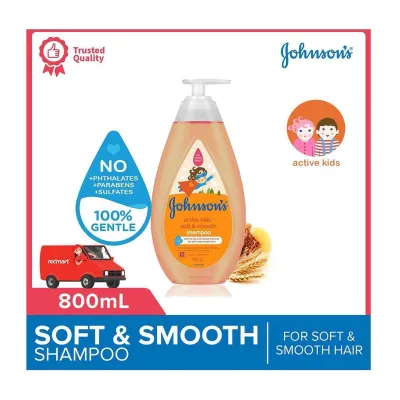
Prices are valid at publication and may change. Please refer to the product page for the latest price.
In contrast, daily hygiene products like baby washes, shampoos, and soaps are classified as cosmetic products. Under the Health Products (Cosmetic Products – ASEAN Cosmetic Directive) Regulations, cosmetics do not undergo pre-market approval or certification by the HSA. Instead, the local importer or manufacturer must submit a product notification to the HSA before placing the product on the market. This notification process informs the authority of the product’s entry into Singapore and identifies the local company responsible for its safety.
The ASEAN Cosmetic Directive (ACD) harmonizes product safety standards across the region, specifying which ingredients are prohibited, restricted, or allowed under strict conditions. For baby care products, these standards are particularly stringent regarding preservatives, colorants, and UV filters. Therefore, when a baby bath product is legally sold in Singapore, it means the responsible company has declared compliance with these regional safety standards, making the product “HSA-notified” rather than “HSA-certified.”
How to Verify Product Compliance and Authenticity
To ensure the baby bath products you purchase are genuine and compliant with local regulations, you should start by examining the physical packaging. Legally compliant cosmetic products in Singapore must display specific mandatory information in English. This includes the full name and address of the local importer or manufacturer, the complete ingredient list using standard international nomenclature, the batch reference number, and clear instructions for safe use.

If you want to verify whether a specific product line has been notified to the regulatory authority, you can access the official HSA online portal. The HSA maintains a public database of notified cosmetic products where consumers can search for the product name or the notifying company. While individual batch numbers are not listed in this public registry, verifying that the brand and specific product variant are registered under a local distributor provides peace of mind that the product has entered the country through official, regulated channels.
Sourcing your baby care items from authorized physical retailers, official brand stores, or established local pharmacies is the most reliable way to avoid counterfeit or non-compliant goods. While online marketplaces and third-party e-commerce platforms offer convenience, they also host parallel-imported products that may bypass local notification processes. These parallel imports might not adhere to the same formulation standards or labeling requirements as those officially distributed in Singapore, and they run a higher risk of being stored in sub-optimal conditions that compromise product stability.
Evaluating Ingredient Safety for Baby Skin
An infant’s skin barrier is significantly thinner and more permeable than an adult’s, making it highly susceptible to dryness, irritation, and chemical absorption. When selecting a baby wash or shampoo, reading the ingredient list is the most effective way to protect your child’s skin. Ingredients are listed in descending order of concentration, so the first few items on the list make up the bulk of the formulation. Parents should look for mild, plant-derived surfactants and avoid products containing harsh sulfates, strong synthetic fragrances, or specific preservatives if their baby has a history of sensitive skin.
It is also important to understand the practical meaning behind common marketing terms found on baby care labels. For instance, the term “tear-free” typically indicates that the formulation uses non-ionic surfactants that are less likely to cause stinging or irritation if they accidentally come into contact with the eyes. However, this does not mean the product is completely inert, and care should still be taken to keep soap away from the eye area. Similarly, “hypoallergenic” suggests that the product has been formulated to minimize the likelihood of allergic reactions, but it does not guarantee that an individual baby will not experience a localized skin reaction.
The claim “dermatologically tested” simply means that the product was evaluated under the supervision of a dermatologist during its development. Because testing protocols and standards vary widely among manufacturers, this label should not replace careful personal observation. Before introducing any new bathing product to your baby’s routine, performing a simple patch test is highly recommended. Apply a small, diluted amount of the product to a clean patch of skin on the baby’s inner arm or behind the ear once daily for three consecutive days, monitoring the area closely for any signs of redness, swelling, or irritation.
Safe Usage Practices and When to Discontinue
Establishing a safe and gentle bathing routine is just as important as choosing the right product. For newborns and young infants, daily baths are not always necessary; bathing two to three times a week is often sufficient to keep them clean without stripping the skin of its natural oils. When you do bathe your baby, ensure the water temperature is lukewarm, ideally between 37°C and 38°C, to prevent thermal irritation or chilling. Keep the entire bath duration short, limiting it to five to ten minutes to avoid over-hydrating and weakening the skin barrier.
During the bath, use only a small, pea-sized amount of the wash or shampoo, and lather it gently using your hands or a soft washcloth. Avoid vigorous scrubbing, especially in skin folds where friction can easily cause chafing. If the manufacturer’s label recommends diluting the product before use, be sure to follow those instructions precisely. Always maintain constant, hands-on supervision of your baby throughout the entire bathing process to ensure physical safety in the water.
After the bath, carefully observe your baby’s skin for any immediate or delayed adverse reactions. Signs of sensitivity or an allergic response include localized redness, dry or rough patches, peeling, hives, small raised bumps, or unusual fussiness during or after the bath, which may indicate itching or discomfort. If you notice any of these symptoms, discontinue use of the product immediately and rinse the baby’s skin thoroughly with clean, lukewarm water. If the irritation persists, spreads, or is accompanied by signs of infection such as oozing or fever, seek professional medical advice from a pediatrician or dermatologist promptly.
Frequently Asked Questions (FAQ)
Do all baby washes need an HSA approval number printed on the label?
No, cosmetic baby washes and shampoos do not require an HSA approval or registration number on their packaging. Because they are classified as cosmetic products rather than therapeutic medicines, they undergo a notification process rather than a pre-market approval system. However, the packaging must display mandatory labeling information, including the full ingredient list, the batch number, and the contact details of the local company responsible for importing or manufacturing the product in Singapore.
What should I do if my baby develops a rash after using a new bath product?
If your baby develops a rash after using a new bath product, stop using it immediately. Gently rinse the affected area with plain, lukewarm water to remove any remaining product residue, and pat the skin dry with a clean, soft towel without rubbing. Avoid applying any other scented lotions, creams, or home remedies to the rash. Monitor the skin closely over the next 24 to 48 hours; if the redness, swelling, or rash does not improve, or if your baby seems in pain or highly uncomfortable, consult a healthcare professional for an accurate diagnosis and safe treatment plan.
Community discussion
Share your experience or ask a question. Comments are reviewed before publication.