
Potty training is one of the most significant developmental milestones of early childhood, yet it can also be a source of considerable anxiety for parents. The secret to a smooth transition does not lie in a magic technique or a strict timeline, but in your child’s unique developmental readiness. Knowing when to start requires observing a combination of physical, cognitive, and behavioral cues that indicate your toddler is ready to trade diapers for the toilet.
If you begin before your child is developmentally prepared, you are likely to face a long, frustrating road filled with power struggles and frequent accidents. Conversely, waiting until your child shows clear signs of readiness can make the entire process surprisingly swift and stress-free. By focusing on milestones rather than age, you can support your child’s independence in a positive, encouraging environment.
Why Timing Matters More Than a Specific Age
Many parents feel immense pressure to start potty training by a specific month, often influenced by well-meaning relatives or comparisons with other children. However, pediatric experts agree that there is no single “correct” age to begin. Every child develops at their own pace, and age is a highly unreliable indicator of toilet readiness.
Products mentioned in this guide


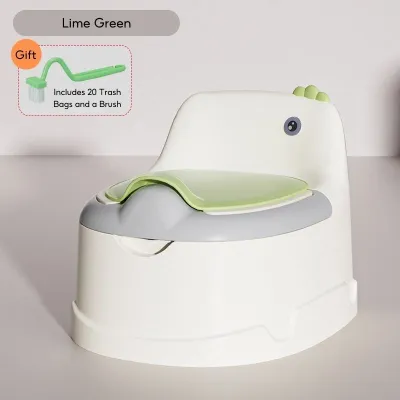

Prices are valid at publication and may change. Please refer to the product page for the latest price.
To successfully transition from diapers, a child must possess several physical and cognitive prerequisites. Their nervous system must be mature enough to transmit signals from the bladder and bowel to the brain, and they must understand what those signals mean. Without these internal physiological connections, a toddler simply cannot control their bodily functions, no matter how much encouragement they receive.
Rushing into potty training prematurely carries distinct risks that can set back your progress. When forced onto the toilet before they are ready, toddlers often experience anxiety, leading to intense power struggles and emotional setbacks. This resistance can manifest as withholding stool, which can cause painful constipation and further complicate the training process.
Instead of viewing potty training as a deadline to meet, try to frame it as a window of opportunity. When you wait for your child to lead the way, you capitalize on their natural desire for autonomy. This cooperative approach preserves your toddler’s self-esteem and makes the entire journey a bonding experience rather than a battle of wills.
Physical Milestones: Bladder Control and Motor Skills
Before your child can use the toilet, their body must be physically capable of holding and releasing waste at appropriate times. One of the first indicators of bladder control is the ability to stay dry for longer stretches. If your toddler regularly wakes up dry from naps or keeps their diaper clean for two or more consecutive hours, their bladder capacity is expanding.

Consistent and predictable bowel movements are another vital physical sign. If your child tends to have bowel movements around the same times each day, and their stool is well-formed and healthy, their digestive system is reaching a stable rhythm. This predictability makes it much easier to plan potty visits and establish a reliable daily routine.
Motor skills are equally critical for independent toilet use. Your toddler must be able to walk steadily to the bathroom without assistance, especially when they feel a sudden urge. They also need the coordination to climb onto a child-sized potty or negotiate a step stool to reach an adult toilet seat safely.
Dressing independence is another motor skill that directly impacts success. Your child should be able to pull their pants and underwear down and up with minimal help. In Singapore’s warm climate, this task is often simplified because children typically wear lightweight shorts with elastic waistbands, which are much easier to manage than heavy layers or complex fasteners.
Finally, look for obvious physical cues that your child is actively urinating or passing stool. Many toddlers will suddenly pause their play, squat in a corner, hide behind a sofa, or make specific facial expressions. Recognizing these outward signs of internal activity shows that your child is becoming consciously aware of their bodily functions.
Behavioral and Cognitive Signals of Readiness
Physical capability is only half the equation; your child must also possess the cognitive and communication skills to participate in the process. Your toddler should be able to understand and follow simple, multi-step instructions, such as picking up a toy and putting it in a basket. This level of comprehension is necessary for them to follow the sequential steps of using the bathroom.
Effective communication is also essential, though it does not require perfect speech. Your child must be able to signal their need to use the toilet before the event occurs. This communication can take the form of spoken words like “pee” or “poop,” simple gestures, or pointing toward the bathroom.
A growing desire for independence and imitation is a strong behavioral indicator. You might notice your toddler entering the “do it myself” phase, insisting on completing tasks without your help. They may also show a keen interest in your bathroom routine, attempting to copy how you or older siblings use the toilet.
Discomfort with dirty diapers is another powerful motivator. Many toddlers who are ready to train will actively vocalize when their diaper is wet or soiled, sometimes pulling at the diaper or bringing you a clean one. This discomfort indicates that they are beginning to prefer the feeling of being clean and dry, which is a crucial step toward wanting to use the potty.
Lastly, general cooperation is key. If your toddler is currently in a highly defiant phase where every request is met with a firm “no,” it is probably not the ideal time to introduce a major change. Look for a period when your child is generally cooperative and does not show strong resistance to the idea of sitting on a potty chair.
Common "False Alarms" That Aren't True Readiness
It is easy for enthusiastic parents to misinterpret normal toddler behaviors as definitive signs of potty readiness. One of the most common false alarms is when a child starts pulling off their diaper. While it might look like they are rejecting diapers, this behavior is often just a normal desire for physical freedom or sensory exploration.
Hiding in a corner or behind curtains to pass stool is another behavior that is frequently misunderstood. While this shows that the child is aware of the urge, it actually indicates a desire for privacy during a vulnerable moment. It does not automatically mean they are ready to perform this act in the open, on a potty, or in front of an adult.
A fascination with the potty chair itself can also be misleading. Toddlers are naturally curious and may enjoy carrying the potty around, using it as a step stool, or wearing the removable bowl as a hat. This playful interaction is excellent for familiarization, but it is not the same as understanding the object’s actual purpose or being willing to sit on it to relieve themselves.
Your Action Plan: Starting, Waiting, or Seeking Help
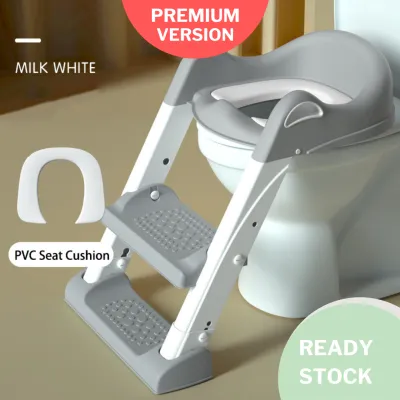
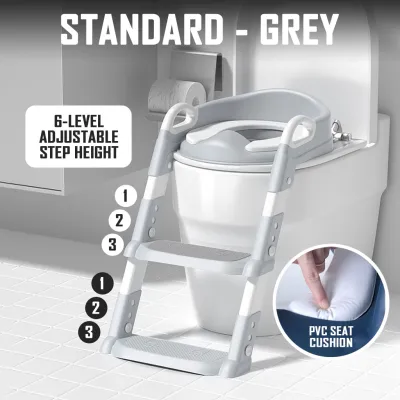
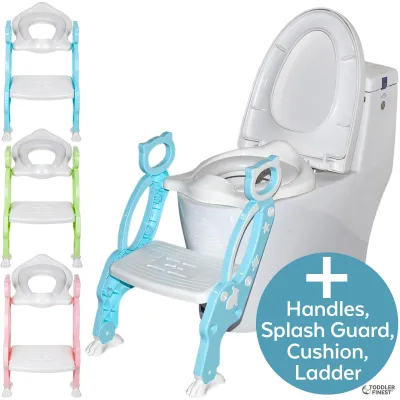
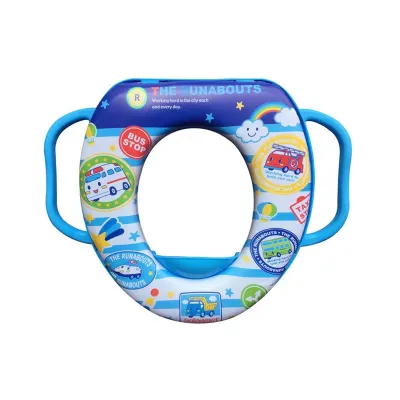
Once you have assessed your child’s signs, you can decide whether to move forward, wait a bit longer, or seek professional guidance. If your toddler exhibits a majority of the physical, behavioral, and cognitive milestones, you can begin your preparation. Start by introducing a basic potty training chair or a secure toilet training seat that fits over your standard toilet bowl.
When purchasing these items, always check the manufacturer’s documentation for age suitability, weight limits, and safety warnings. Ensure that step stools have non-slip bases and that your child is always supervised when using adult-sized toilets. Place the potty in a highly visible, accessible area of your home, and introduce potty-themed books or videos to make the concept familiar and positive.
If your child is showing only a few signs or seems entirely uninterested, the best course of action is to wait. Forcing the issue will only create resistance. You can gracefully pause any attempts and focus instead on low-pressure modeling, such as letting them watch you wash your hands or explaining what the toilet does.
It is particularly wise to delay potty training during major life disruptions. If you are currently moving to a new home, welcoming a new baby, or transitioning your child to a new childcare centre, postpone training for a few weeks until their daily routine has stabilized. This stability gives them the emotional security they need to tackle a new skill.
While potty training is a normal developmental phase, there are times when professional advice is necessary. Consult your pediatrician if your child is over four years old and shows no interest in using the toilet, or if they experience physical pain during urination or bowel movements. You should also seek professional guidance if you suspect underlying developmental delays, chronic constipation, or if your child exhibits extreme, ongoing anxiety around the bathroom.
Frequently Asked Questions (FAQ)
What is the typical age for potty training in Singapore?
In Singapore, many children begin showing readiness signs between 18 and 30 months of age, with many fully completing the transition closer to three years old. While some local preschools or infant care centres encourage potty training before a child enters specific nursery classes, it is vital to remember that school enrollment policies should not override your child’s developmental readiness. Forcing a child to train prematurely to meet a school deadline often backfires, resulting in stress and regression.
Should I buy potty training supplies before my child shows signs?
It is generally best to avoid buying extensive supplies, complex reward charts, or specialized training pants before your child shows clear signs of readiness. Having a simple, budget-friendly potty training chair (typically costing between S$15 and S$40) in the bathroom can help with familiarization, but major investments should wait. Buying too many gadgets early on can create unnecessary pressure for both you and your child, and you may find that the specific style you purchased does not suit your toddler’s physical comfort.
What if my toddler shows readiness signs but then regresses?
Potty training regression is an entirely normal part of the learning process and should not be viewed as a failure. Regressions are frequently triggered by minor disruptions, such as a mild illness, a change in school routines, or emotional stress. If your toddler suddenly starts having frequent accidents after a period of success, respond with patience and calm reassurance. Temporarily returning to diapers or pull-up training pants without shame is a perfectly acceptable way to reduce pressure until your child feels secure enough to try again.
Community discussion
Share your experience or ask a question. Comments are reviewed before publication.