
Potty training readiness is not determined by a single birthday or a rigid calendar date. Instead, it is a developmental milestone that requires a combination of physical, cognitive, and emotional maturity. Forcing the process before your child is truly ready often leads to prolonged struggles, frustration, and unnecessary stress for both of you. By observing your toddler’s daily habits, physical capabilities, and communication cues, you can identify the optimal window to transition away from diapers.
Taking the time to assess readiness before purchasing gear or setting a start date saves time and emotional energy. Many parents feel pressure from family members or preschool enrollment timelines to start training early. However, waiting for your child to demonstrate key developmental signals makes the transition smoother and significantly reduces the likelihood of setbacks. A child who is developmentally ready can often complete the training process in a fraction of the time it takes for a child who is forced into it too early.
Physical Signs of Potty Training Readiness
A toddler must possess specific physical capabilities to manage the mechanics of using the toilet. The first major indicator is bladder capacity and control. If your child’s diaper remains dry for at least two consecutive hours during the day, or if they wake up dry after a nap, their bladder muscles are maturing. This shows that their body is beginning to store urine rather than releasing it automatically in small amounts throughout the day. You can track this by checking their diaper at regular intervals over a week to establish a clear pattern.
Products mentioned in this guide




Prices are valid at publication and may change. Please refer to the product page for the latest price.
Predictable and formed bowel movements are another essential physical sign. When a child has bowel movements at relatively consistent times each day, it becomes much easier to establish a bathroom routine. Regularity indicates that their digestive system has matured sufficiently for them to recognize and temporarily delay the urge until they reach a toilet. If your child still has frequent, unpredictable, or loose stools, their digestive system may need more time to mature before training can be successful.
Finally, you must evaluate your child’s gross and fine motor skills. Potty training requires the physical ability to walk to the bathroom, step up onto a stool, and sit down steadily. Your toddler also needs the finger strength and coordination to pull their pants down and up. In Singapore’s warm climate, practicing with lightweight, elastic-waist shorts or home wear is an excellent way to build this independence before introducing more complex clothing. If they struggle with basic clothing manipulation, spend some time practicing this skill during daily dressing routines before introducing the potty.
Cognitive and Communication Readiness Signals
Cognitive readiness involves your child’s ability to understand the potty training process and communicate their bodily needs. A primary indicator is the ability to follow simple, multi-step instructions. If your toddler can successfully complete tasks like “pick up your toy and put it in the basket” or “go to the bathroom and fetch the towel,” they have the cognitive capacity to follow the sequence of steps required to use the toilet. This sequence involves stopping play, walking to the bathroom, undressing, sitting, wiping, flushing, and washing hands.

Communication is equally vital, whether it is verbal or non-verbal. Your child does not need to speak in full sentences, but they must be able to signal when they need to go. This might involve using simple words like “pee” or “poop,” or using non-verbal gestures such as pointing to the bathroom, tugging at their diaper, or squatting in a corner. These signals show they are connecting their internal physical sensations with external actions. Encouraging them to use consistent terms for bodily functions helps build this communication bridge.
Furthermore, your toddler must be aware of the physical sensation of urinating or having a bowel movement as it happens. You might notice them pausing during play, staring intently, or hiding behind a curtain or sofa. Recognizing this sensation in real-time is the first step toward anticipating the urge before it actually occurs, which is the ultimate goal of successful training. If they only realize they have gone after their diaper is already wet, they are still developing this sensory awareness.
Behavioral and Emotional Indicators
Even if a child is physically and cognitively capable, emotional willingness plays a decisive role in potty training success. A clear sign of behavioral readiness is a genuine curiosity about the toilet or bathroom habits. Your toddler might follow you into the bathroom, ask questions about what you are doing, or show an interest in wearing “big kid” underwear. This natural curiosity is a powerful motivator that you can gently encourage by explaining the process in simple, positive terms.
Another common behavioral signal is a growing dislike of dirty diapers. If your child expresses discomfort when wet or soiled, pulls at their diaper, or immediately demands to be changed, they are developing a preference for feeling clean and dry. This discomfort provides an excellent natural incentive for them to use the toilet instead of relying on their diaper. Conversely, if a child is content sitting in a heavily soiled diaper for hours, they may lack the motivation needed to transition.
A general drive for independence and a willingness to cooperate are also crucial. Toddlers often go through phases of asserting control, which can lead to power struggles if potty training is forced. If your child is in a cooperative phase, enjoys imitating adult behaviors, and takes pride in mastering new skills, they are much more likely to view potty training as an exciting milestone rather than a chore. Harnessing their desire to do things “by myself” can make them eager participants in the process.
What to Do If Your Toddler Shows Mixed Signals
It is entirely normal for a toddler to display some signs of readiness while lacking others. For instance, they might stay dry for hours but show absolutely no interest in sitting on a potty chair. In these situations, the most effective strategy is to maintain a low-pressure environment. Forcing a child who is only partially ready can lead to anxiety, stool withholding, and intense power struggles that delay the process for months. Respect their timeline and avoid making the bathroom a battleground.
If your child actively resists sitting on the toilet or becomes anxious when diapers are mentioned, it is best to pause the process entirely. A temporary pause of a few weeks allows your child to reset emotionally and prevents negative associations with the bathroom. During this waiting period, you can keep the topic casual by reading age-appropriate picture books about potty training or letting them watch you use the restroom without expecting them to do the same. This keeps the concept familiar without any performance pressure.
While patience is key, there are times when professional guidance is beneficial. If your child experiences chronic constipation, painful bowel movements, or physical discomfort when trying to go, consult a pediatrician. Addressing underlying digestive issues first is essential, as pain during elimination will cause a child to resist training. Additionally, if your child is approaching four years of age and shows no signs of readiness or interest, a healthcare professional can help rule out developmental or physical concerns and provide tailored strategies.
Preparing Your Supplies Once Readiness Is Confirmed
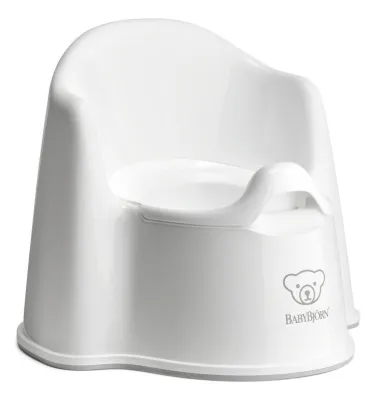
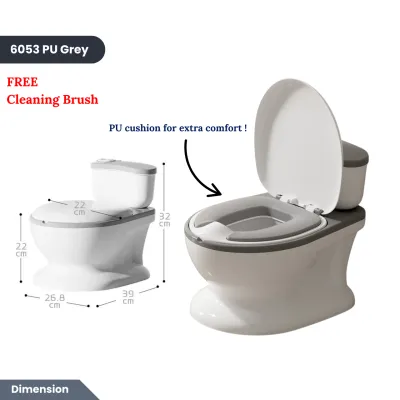
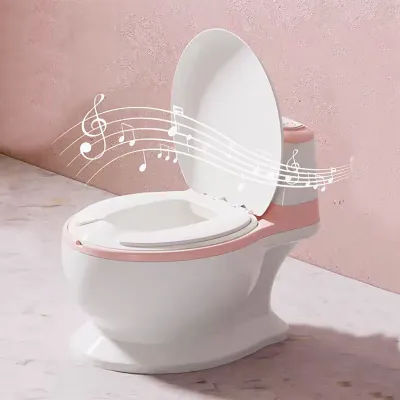
Once you have observed consistent readiness signs across physical, cognitive, and behavioral areas, you can begin selecting your supplies. The first decision is choosing between a standalone potty chair and a toilet seat reducer. Standalone potty chairs are highly recommended for beginners because they are low to the ground, allowing toddlers to plant their feet firmly on the floor. This squatting position is anatomically optimal for bowel movements and helps the child feel secure. They are also highly portable, allowing you to move them to different rooms if needed.
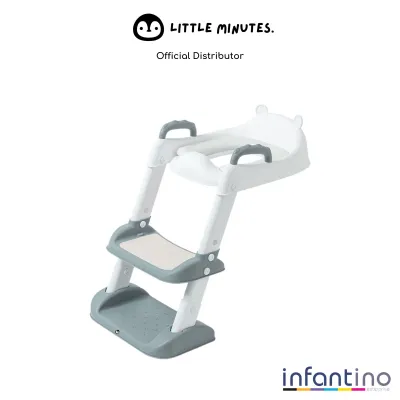
A toilet seat reducer, which fits directly over your standard toilet seat, is an alternative that works well in smaller bathrooms, such as those in typical Singapore HDB flats, where floor space is limited. If you choose a reducer, it is essential to pair it with a sturdy step stool. The stool allows your child to climb up independently and provides the necessary foot support so their legs do not dangle, which can cause muscle tension and make elimination difficult. It also transitions easily as they grow and begin using the regular toilet seat.
When transitioning, you will also need to decide between training pants and regular underwear. Reusable cloth training pants are highly effective because they feature a slightly thickened, absorbent layer that catches minor leaks while still allowing the child to feel the sensation of wetness. This sensory feedback is crucial for learning. While disposable training pants offer convenience during outings or childcare hours, they often absorb moisture so quickly that the child remains unaware of the accident, potentially lengthening the training process. Avoid over-purchasing specialized gadgets or elaborate reward systems initially; start with the basics and adapt as you learn what motivates your child.
Frequently Asked Questions (FAQ)
What is the typical age range for showing potty training readiness?
Most children begin to show signs of potty training readiness between the ages of 18 months and three years, though the timeline varies widely. Physical and neurological maturity develops at different rates for every child, meaning some may be fully ready at two years old, while others may not show consistent interest until they are closer to three and a half. Waiting for clear, developmental cues rather than starting on a specific birthday is the most reliable way to ensure a positive and efficient transition.
Should I delay potty training during major life changes?
Yes, it is highly advisable to postpone potty training during periods of significant change or stress. Major disruptions—such as moving to a new home, welcoming a new sibling, starting a new childcare centre, or experiencing changes in family routines—can temporarily reduce a child’s emotional bandwidth. Introducing a major developmental challenge like potty training during these times often leads to regression and frustration. Waiting for a period of relative stability ensures your child has the security and focus needed to master this new skill.
Community discussion
Share your experience or ask a question. Comments are reviewed before publication.