
Transitioning your child from a harnessed car seat to a booster car seat is a major milestone, but it is one that should never be rushed. In Singapore, this transition is governed by both strict traffic regulations and the physical development of your child. A booster seat works by raising your child so that the vehicle’s adult seat belt fits safely across their strongest anatomical points. To make this transition safely, you must evaluate your child’s height, weight, physical fit in their current seat, and their behavioral maturity to sit correctly for the entire journey.
Navigating Singapore's Child Restraint System Regulations
Singapore’s Road Traffic Act requires all passengers under a certain height to be properly secured in an approved child restraint system. Currently, the Land Transport Authority (LTA) and the Singapore Traffic Police mandate that any individual under the height of 1.35 metres must use a child restraint, booster seat, or adjustable seat belt to ensure safety while traveling in a vehicle. Failing to comply not only risks legal penalties but also exposes your child to severe injury in the event of a sudden stop or collision.
Because traffic laws and safety standards can be updated, parents should regularly consult official government portals, such as the Singapore Police Force or LTA websites, rather than relying on outdated parenting forums or social media advice. Additionally, while public taxis are sometimes exempt from certain restraint laws under specific conditions, private hire vehicles are not, making a portable or easily transferable booster seat a practical necessity for many families navigating Singapore’s roads.
Products mentioned in this guide
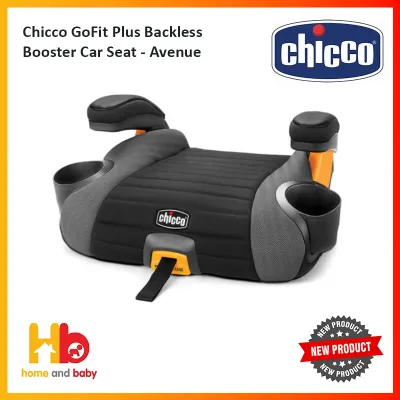
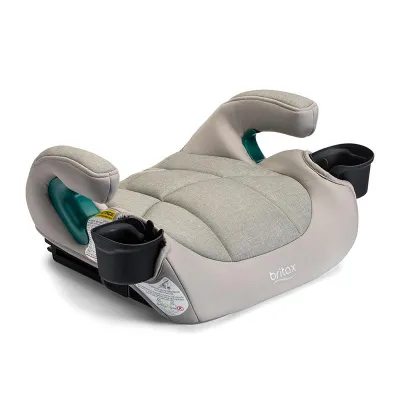
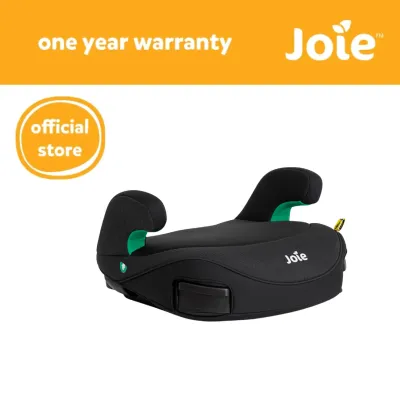
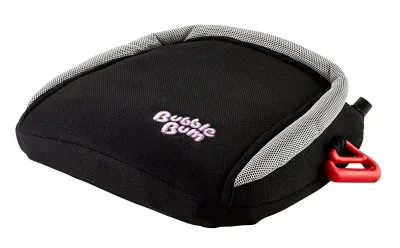
![Easyhome.sg [Child SAFETY] Baby Booster Car Seat Chair – Toddler Safety Travel Carrier for Children](https://img.lazcdn.com/g/p/8cf856890dd672e6f3804f0bc6e8503d.png_400x400q80.png_.webp)
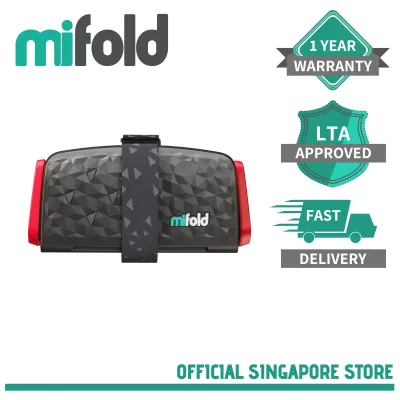
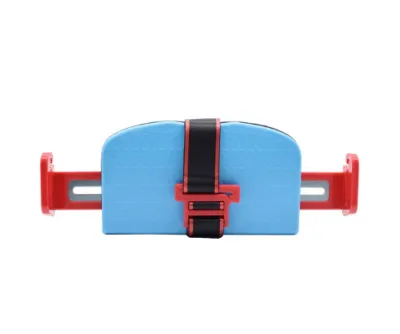
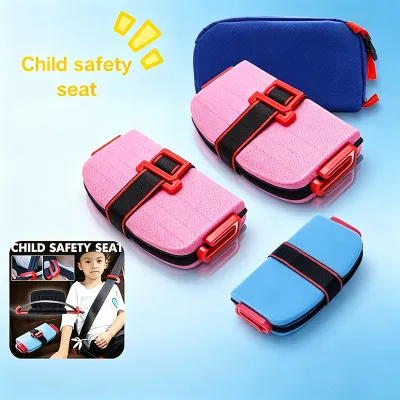
Prices are valid at publication and may change. Please refer to the product page for the latest price.
Physical Signs Your Child Has Outgrown Their Current Car Seat
Before purchasing a booster seat, you must confirm that your child has truly outgrown their forward-facing harnessed seat. A common mistake is moving a child to a booster too early simply because they have reached the minimum weight limit of the new seat. Instead, look for the physical limits of their current seat.

First, check the position of the shoulder harness straps; if the straps emerge from the seat shell below your child’s shoulders when forward-facing, the seat is outgrown. Second, observe the height of their head relative to the seat shell. If the tops of your child’s ears are level with or extend above the top edge of the car seat, they no longer have adequate head and neck protection.
Finally, locate the manufacturer’s label on your current seat to verify the maximum weight and height limits for the internal harness. Even if your child physically fits, exceeding the certified weight limit of the harness system can cause the mechanism to fail under crash forces. If any of these limits are exceeded, it is time to transition to the next stage of child restraint.
Assessing Behavioral and Postural Readiness for a Booster
Physical size is only one part of the equation; behavioral maturity is equally critical for a safe transition. Unlike a harnessed car seat, which physically restrains a child at five points, a booster seat relies entirely on the vehicle’s three-point seat belt. This means your child must have the discipline to sit upright with their back flat against the vehicle seat back for the duration of every trip.
If your child frequently slumps, leans over to reach for toys, slides down in the seat, or pulls the shoulder belt under their arm, they are not yet ready for a booster. The lap belt must rest low across the upper thighs and hips, not the soft abdomen, while the shoulder belt must cross the center of the chest and shoulder, not the neck or face.
A child who constantly plays with the seat belt buckle or attempts to escape the restraint poses a severe safety risk, and should remain in a five-point harness as long as their weight and height allow. Caregivers must supervise passengers to ensure they maintain proper posture throughout the ride.
Selecting the Right Booster Car Seat for Your Vehicle and Child
When you determine that your child is ready, you must choose between a high-back booster and a backless booster. High-back boosters are highly recommended for younger children transitioning from a harness because they provide built-in head, neck, and side-impact protection, while also helping to guide the vehicle seat belt into the correct position. They are especially crucial if your vehicle’s rear seats do not have adjustable headrests, as a child’s head must always be supported to prevent whiplash.
Backless boosters are more compact, lightweight, and convenient for carpooling or switching between vehicles, but they should only be used if the vehicle seat has a built-in headrest that reaches at least to the top of the child’s ears. Always inspect the manufacturer’s labels on any booster seat to verify that it complies with recognized international safety standards, such as European Union regulations or equivalent certifications accepted by Singapore authorities.
Before finalizing your purchase, test the booster in your specific vehicle to ensure the seat belt retracts smoothly through the guides and the booster sits flat against the vehicle seat cushion. Checking compatibility with your vehicle’s seat belt geometry and headrest adjustability is essential for a secure installation.
Frequently Asked Questions (FAQ)
Can my child use a booster seat in the front passenger seat in Singapore?
While Singapore law may permit children of certain heights to sit in the front seat under specific conditions, safety experts strongly recommend keeping all children under 13 years old in the rear seats. The front passenger airbag is designed to protect adults and deploys with immense force, which can cause severe head and neck injuries to a child in a booster seat. If you must place a booster seat in the front passenger seat due to an emergency or vehicle configuration, you must verify that the passenger airbag is deactivated and slide the vehicle seat as far back as possible. Always consult your vehicle’s owner manual and the latest Singapore Traffic Police guidelines to ensure compliance and safety.
What should I do if my child falls asleep and slouches in a backless booster?
When a child falls asleep and slouches in a backless booster, their body often slides forward, causing the lap belt to ride up onto their vulnerable abdominal organs and the shoulder belt to slip off their shoulder. This position significantly reduces the seat belt’s effectiveness and can lead to severe internal injuries during a collision. If your child frequently falls asleep during car rides, a high-back booster with contoured head support is a much safer option, as it helps keep their head and torso upright even when sleeping. If you are using a backless booster, you may need to adjust the vehicle’s seat recline slightly if permitted by the vehicle manufacturer, or plan rest stops to allow your child to rest outside the vehicle.

Community discussion
Share your experience or ask a question. Comments are reviewed before publication.