
A baby cot mattress is firm enough when it does not conform to your baby’s head or body shape and resists indentation under pressure. For the first 12 months, infants require an extra-firm mattress to minimize the risk of suffocation and support their growing spine. As they transition into toddlerhood, their needs shift slightly toward a medium-firm surface that accommodates growing joints while maintaining structural support.
In Singapore’s warm, humid climate, choosing the right cot mattress also involves ensuring the materials are breathable and hypoallergenic, but safety starts with firmness. Understanding how to evaluate this firmness at home or in-store is one of the most practical steps you can take to create a safe sleep environment for your child.
Why Firmness Is Critical for Infant Safety and Spine Development
Unlike adults who prefer plush, contouring mattresses, infants require a flat, uncompromisingly firm surface. When a baby sleeps on a surface that is too soft, the material can compress under their weight. If the infant rolls onto their stomach or turns their head to the side, a soft mattress can conform to their face, creating a pocket that traps exhaled carbon dioxide or physically blocks their airway. This risk is directly linked to Sudden Infant Death Syndrome (SIDS) and accidental suffocation.
Products mentioned in this guide
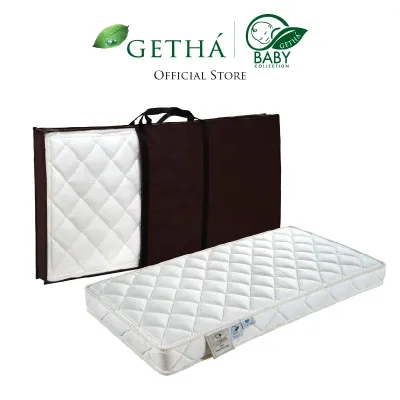
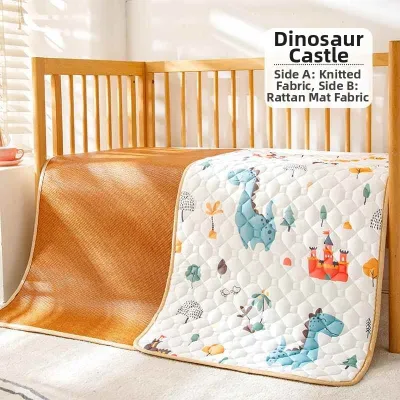
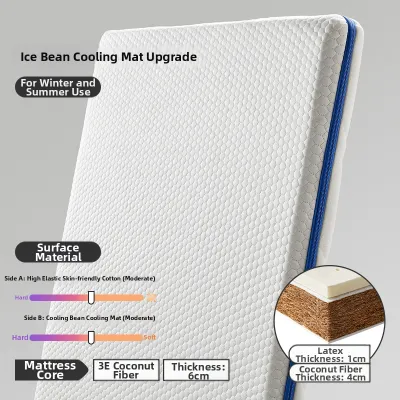
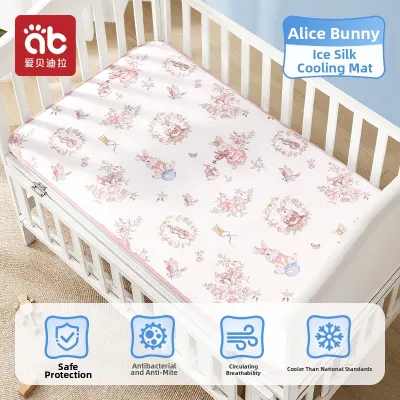

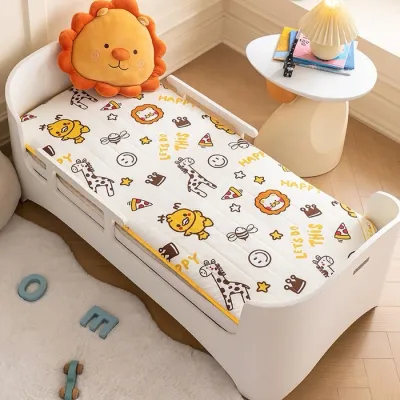
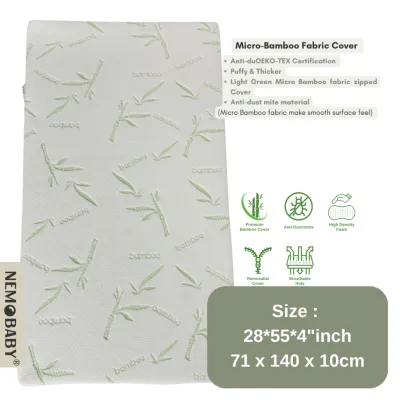

Prices are valid at publication and may change. Please refer to the product page for the latest price.
Beyond immediate breathing hazards, firmness plays a quiet but vital role in physical development. During the first year of life, a baby’s bones are soft, and their spine is growing at an unprecedented rate. A firm mattress provides the necessary resistance to keep the spine in a neutral, natural alignment. Without this support, the heavier parts of the baby’s body, like the head and hips, can sink unevenly, placing undue strain on developing muscles and skeletal structures.
To maximize safety, a firm mattress must always be paired with standard safe sleep practices. This includes placing your baby to sleep on their back for every sleep, ensuring the cot is completely free of loose bedding, bumpers, pillows, and soft toys. Always check the manufacturer’s guidelines for the specific cot frame and mattress to ensure they are fully compatible and leave no dangerous gaps.
What Firmness Level Does Your Baby Need by Age?
As your child grows, their physical capabilities and sleep needs evolve. The level of support they require changes from the fragile newborn stage to the highly active toddler years.

Newborns and Infants (0–12 Months): Extra-Firm Support
From birth until their first birthday, babies spend up to 16 hours a day sleeping. During this stage, they lack the neck strength and motor control to lift their heads or roll away from a soft, suffocating surface if they turn over. Consequently, they require an extra-firm mattress. This means the surface should feel highly resistant to pressure, almost like a carpeted floor to an adult’s touch.
Many new parents feel a sense of guilt when they first touch an infant mattress, worrying that it feels uncomfortably hard or like sleeping on a board. However, it is essential to understand that babies do not have the same pressure points or sleep preferences as adults. Their lighter bodies do not sink into a mattress the way an adult’s does, and a firm surface is actually highly comfortable and supportive for their flexible bones. Prioritizing safety over adult perceptions of comfort is the most loving choice you can make for your newborn.
Toddlers (1–3 Years): Transitioning to Medium-Firm
As your child crosses the one-year mark, their physical capabilities change dramatically. They develop strong head and neck control, learn to roll over effortlessly, and begin sitting, crawling, and eventually walking. At this stage, the immediate risk of suffocation decreases, and their sleep needs evolve. Growing joints and active muscles can benefit from a slightly softer, medium-firm surface that offers gentle pressure relief while still preventing deep sinking.
To accommodate this transition without the expense of buying two separate mattresses, many parents opt for dual-sided mattresses. These designs feature an extra-firm side engineered specifically for infants and a slightly more forgiving, medium-firm side for toddlers. When your child reaches 12 months, you can simply flip the mattress over to the toddler side. Before doing so, always verify your child’s developmental milestones and consult your pediatrician if you have any concerns about their physical readiness.
4 Practical Tests to Check Mattress Firmness In-Store or at Home
You cannot always rely on marketing terms like “orthopaedic” or “extra-firm” printed on a box. To ensure a baby cot mattress is safe, you should perform physical tests yourself, whether you are evaluating a display model in a showroom or unboxing a delivery at home.
1. The Hand Press Test
This is the simplest and most immediate test you can perform. Place the mattress on a flat surface and press down firmly with your open palm in the very center, then repeat the test along the outer edges. Apply significant pressure, mimicking the localized weight of a baby. The mattress should feel highly resistant and should not conform to the shape of your hand. When you release your hand, the mattress must spring back immediately to its original flat state, leaving no temporary indentation or handprint behind.
2. The Weight Simulation Test
Since babies are heavier than a simple hand press can fully simulate over time, you can use a common household item to test sustained pressure. A standard, tightly packed 5-kilogram bag of rice (a staple in most Singaporean kitchens) or a similar dense, flat-bottomed object works perfectly. Place the weight in the middle of the mattress. Observe the surface carefully: the mattress should barely compress under the weight. If the bag sinks deeply or creates a noticeable hollow or bowl-like dip where the weight rests, the mattress is too soft for a newborn.
3. The Edge Support Check
A mattress must be firm not just in the center, but across its entire surface. Babies often roll toward the edges of the cot as they learn to move. To test edge support, press down firmly along the perimeter of the mattress. The edges should remain rigid and structurally sound. If the border collapses, rolls outward, or flattens easily under your hand, it poses a safety hazard. Weak edges can cause a baby to roll into the small gap between the mattress and the cot frame, potentially leading to entrapment.
4. The Fit and Gap Test
Structural firmness directly affects how well a mattress maintains its shape inside the cot frame. A safe mattress must fit snugly within the cot with absolutely no wide gaps. You can verify this using the “two-finger rule.” Insert your index and middle fingers between the edge of the mattress and the side of the cot frame. If you can easily fit more than two fingers into the gap, the mattress is too small or has lost its structural rigidity. A loose fit creates a dangerous space where a baby’s limbs or head could become trapped.
Signs Your Current Baby Cot Mattress Is Too Soft
If you are reusing a mattress from an older sibling or have been using the same mattress for several months, it is vital to inspect it regularly for wear and tear. Over time, materials like polyurethane foam or natural latex can break down, especially in Singapore’s humid climate, which can accelerate the degradation of certain materials if they are not kept dry and well-ventilated.
First, look for visible indentations or permanent sagging. If you can see a clear body impression or a dip where your baby typically sleeps, even when they are not on the mattress, the core support has failed. A safe mattress must return to a perfectly flat plane. If the mattress visibly curves or contours around your baby’s body while they are sleeping, it is no longer firm enough to ensure safe sleep.
Second, check for material breakdown. Press your hands across different areas of the mattress to feel for lumps, soft spots, or areas that feel significantly weaker than the rest. Foam that has lost its resilience will feel mushy and take several seconds to recover its shape, or it may not recover at all. For spring mattresses, listen for squeaking or check if any coils feel like they are protruding or sagging.
Finally, pay attention to subtle behavioral cues, though they should be interpreted carefully. While frequent waking or restlessness can stem from teething, growth spurts, or developmental leaps, sudden and persistent sleep discomfort can sometimes point to a failing mattress. If you have ruled out other health and environmental factors, inspect the mattress immediately to ensure it is still providing a flat, supportive sleep surface.
What To Do If the Mattress Fails the Firmness Test
If your baby cot mattress fails any of the firmness or fit tests, you must take immediate action to ensure your child’s safety. A mattress that is too soft, saggy, or ill-fitting is a severe hazard and should be replaced immediately. Do not delay this decision, as a safe sleep environment is the foundation of injury and SIDS prevention.
If you are using a dual-sided mattress and your baby is under 12 months old, verify that you have placed the mattress with the correct side facing up. The infant side is typically marked clearly by the manufacturer. If the infant side has degraded but the toddler side is intact, do not simply flip it over early; infants under one year must never sleep on a medium-firm toddler surface. Instead, invest in a new mattress.
Under no circumstances should you attempt to “fix” a soft or uncomfortable mattress by adding aftermarket accessories. Never place soft mattress toppers, padded mattress protectors, folded blankets, or sheepskins on top of the mattress to make it feel softer. These items introduce the exact suffocation risks that a firm mattress is designed to prevent.
If the mattress has degraded prematurely and is still within its warranty period, check the manufacturer’s care instructions and warranty terms. Some brands offer guarantees against premature sagging or material failure. Contact the retailer or manufacturer to discuss a replacement, but ensure your baby has a safe, firm alternative sleep space in the meantime.
Frequently Asked Questions (FAQ)
Can I use a soft mattress topper to make a firm cot mattress more comfortable for my newborn?
Absolutely not. You must never add soft mattress toppers, padded covers, or extra layers of bedding to an infant’s cot. While these items might seem like they add comfort, they create a highly dangerous suffocation hazard. A newborn’s airway can easily become blocked if their face sinks into any soft material. For the first 12 months, a firm, flat, and unyielding surface is a non-negotiable safety requirement, not a comfort preference.
How often should I check the firmness of my baby's mattress?
It is best practice to perform a quick hand press and visual inspection every few months, or whenever you change the cot sheets. You should also conduct a thorough check immediately if your baby reaches a new physical milestone (such as starting to roll over or push up on their hands), or when you are preparing to flip a dual-sided mattress to the toddler side. Regular checks ensure that any gradual material degradation is caught before it poses a risk to your child.
Community discussion
Share your experience or ask a question. Comments are reviewed before publication.