
Determining whether Tollyjoy Baby Liquid Detergent is safe for your newborn involves looking closely at the ingredient list on your specific bottle and understanding how those components interact with delicate infant skin. Newborn skin is significantly thinner and more permeable than adult skin, making it highly susceptible to irritation from harsh chemicals, synthetic fragrances, and dye residues. While many parents in Singapore trust this brand for daily laundry, formulations can change, and individual babies may react differently to the same product. By learning how to evaluate the label, identify beneficial versus harsh ingredients, and monitor your baby’s skin, you can confidently decide if this detergent fits your family’s needs.
How to Locate and Read the Tollyjoy Ingredient Label
To make an informed decision, always check the back or side panel of the specific Tollyjoy bottle you have purchased. Manufacturers occasionally update their formulations or adjust ingredients based on regional manufacturing batches, meaning online descriptions might not always match the physical bottle in your laundry room. Reading the label systematically allows you to verify exactly what will come into contact with your infant’s clothing.
When examining the packaging, look for the distinction between active cleaning agents and inactive ingredients. Active ingredients, primarily surfactants, are responsible for lifting dirt, milk stains, and oils from the fabric fibers. Inactive ingredients include water, pH adjusters, preservatives that prevent bacterial growth in the bottle, stabilizers, and any added fragrances.
Products mentioned in this guide
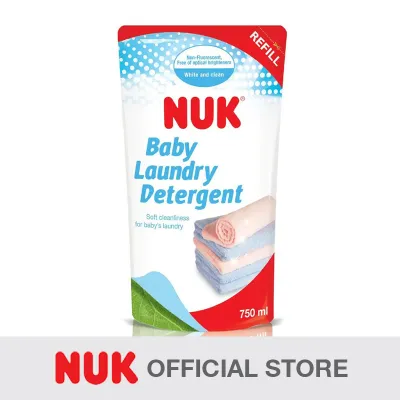
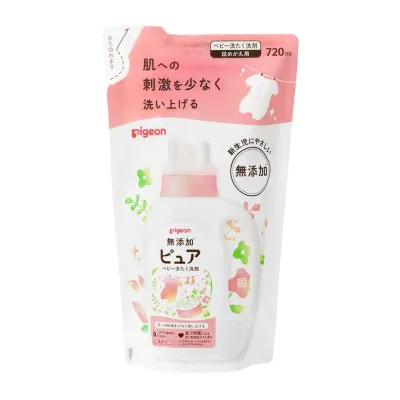
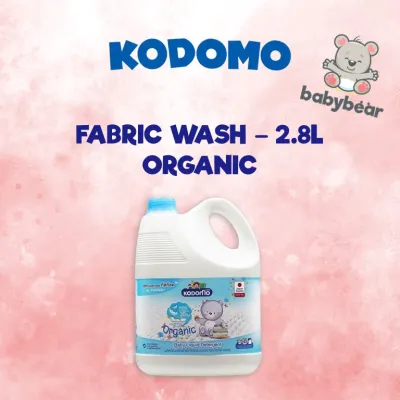
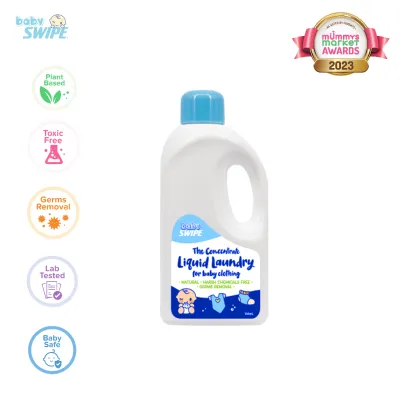
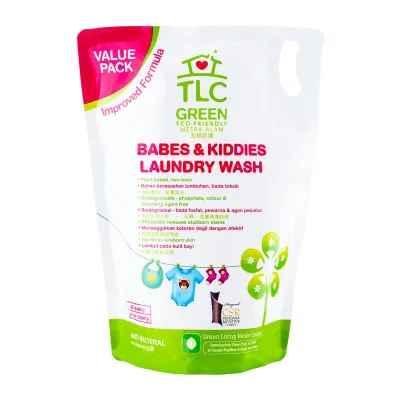
Prices are valid at publication and may change. Please refer to the product page for the latest price.
It is also crucial to distinguish between “fragrance-free” and “unscented” labels on baby products. A fragrance-free designation typically means no scent-producing chemicals or masking agents have been added to the formula. An unscented label, however, may indicate that the product contains specific chemical masking agents designed to neutralize the natural smell of the active ingredients, which can still trigger reactions in highly sensitive newborn skin.
Beneficial Ingredients to Look for in Baby Detergents
When reviewing the ingredient list on a baby detergent, look for mild, plant-derived surfactants that clean effectively without stripping the natural moisture barrier of your baby’s skin. Surfactants derived from natural sources, such as coconut or corn, are generally preferred for infant laundry because they rinse away more cleanly and leave fewer irritating residues on the fabric fibers.

Some gentle formulations also incorporate natural soothing additives to help protect delicate skin. Ingredients like aloe vera extracts, glycerin, or chamomile are often included to provide a soothing effect and maintain fabric softness without relying on heavy chemical softeners. Glycerin, in particular, acts as a natural humectant that can help keep washed fabrics from feeling scratchy against a newborn’s skin.
Additionally, look for natural enzymes on the ingredient list, such as amylase or protease. These enzymes are highly effective at breaking down organic baby stains, including breast milk, formula, spit-up, and diaper leaks. Because enzymes target specific organic proteins and starches, they allow the detergent to clean thoroughly at lower water temperatures without requiring harsh scrubbing or aggressive chemical bleaching agents.
Harsh Ingredients to Avoid or Verify on the Label
A primary goal when selecting a newborn detergent is verifying the absence of optical brighteners. These synthetic chemicals are designed to adhere to fabric fibers and reflect light, making clothes appear brighter or whiter. Because optical brighteners do not rinse out easily and remain on the clothing, they can rub off onto your newborn’s skin and trigger contact dermatitis or localized irritation.
You should also check the label to ensure the formula is free from phosphates, harsh sulfates, and strong synthetic dyes. Sulfates like Sodium Lauryl Sulfate (SLS) or Sodium Laureth Sulfate (SLES) are common foaming agents that can be too harsh for a newborn’s delicate skin barrier. Synthetic dyes are purely aesthetic additions that serve no cleaning purpose but introduce unnecessary chemical exposure to your baby’s wardrobe.
Heavy artificial fragrances and concentrated essential oils are other common culprits for skin sensitivity and respiratory irritation in infants. Even natural essential oils can be highly concentrated and trigger allergic reactions in eczema-prone newborn skin. Carefully inspect the ingredient list for generic terms like “parfum” or “fragrance,” and opt for formulas that minimize or completely exclude these additives if your baby shows signs of skin sensitivity.
Verifying Safety Claims and Dermatological Certifications
While marketing terms like “natural,” “pure,” or “gentle” are frequently used on baby product packaging, these terms are not strictly regulated. To validate these claims, look for specific, standardized testing labels and certifications on the Tollyjoy bottle. Look for explicit text indicating that the product has undergone dermatological testing, is formulated to be hypoallergenic, or has received pediatrician approval.
Dermatologically tested labels mean the formulation has been evaluated under clinical supervision to minimize the risk of skin irritation. Hypoallergenic claims suggest that the ingredients have been selected specifically to reduce the likelihood of allergic reactions. However, because individual sensitivities vary, these certifications serve as a helpful baseline rather than an absolute guarantee of compatibility for every infant.
If the ingredient list or safety claims on the packaging are unclear, do not hesitate to seek more information. You can visit the manufacturer’s official website or contact their customer service department directly to request a detailed Safety Data Sheet (SDS) or ask about their specific allergy testing protocols. This step is particularly useful for parents managing severe infant eczema or known family allergies.
Monitoring Your Newborn's Skin Reaction After Washing
Even with a gentle detergent, the ultimate test of safety is how your newborn’s skin reacts in daily life. When introducing a new laundry detergent, wash a small batch of clothes first and monitor your baby closely. Look for observable signs of detergent-related irritation, such as localized redness, dry or rough patches, tiny bumps, or unexplained fussiness after your baby wears freshly washed garments or sleeps on washed bedding.
To minimize the risk of irritation, adjust your washing machine settings to include an extra-rinse cycle. This simple step helps ensure that all traces of surfactant and cleaning agents are thoroughly flushed from the fabric fibers, leaving nothing behind to rub against your baby’s skin. Avoid overloading the washing machine, as crowded loads can prevent proper rinsing.
If you observe any signs of skin irritation, establish clear stop-conditions for your laundry routine. Discontinue using the detergent immediately and switch to washing your baby’s clothes and bedding in plain, warm water to remove any lingering residues. If the skin redness, dryness, or rash persists for more than a few days, or if your baby seems in discomfort, consult a pediatrician or dermatologist for professional guidance.
Frequently Asked Questions (FAQ)
Can I use regular Tollyjoy detergent for newborn clothes?
Regular household detergents often contain stronger surfactants, optical brighteners, and higher concentrations of synthetic fragrances designed to tackle heavy adult soils. Newborn skin is much thinner and more sensitive, making it highly vulnerable to these intense chemical agents. It is highly recommended to use a baby-specific variant, which is formulated with milder cleaning agents and fewer additives to prevent skin irritation and protect your infant’s delicate skin barrier.
Do I need to wash new baby clothes before using them with this detergent?
Yes, you should always wash new baby clothes before your newborn wears them. Brand-new garments often carry chemical residues from the manufacturing process, including sizing agents to keep fabrics wrinkle-free, excess dyes, and dust accumulated during shipping and storage. A standard pre-wash using a gentle baby detergent removes these potential irritants, ensuring that only clean, soft, and safe fabrics come into contact with your newborn’s skin.
Community discussion
Share your experience or ask a question. Comments are reviewed before publication.