
When preparing for a newborn’s arrival, choosing a laundry detergent requires careful scrutiny of every ingredient. The Tollyjoy baby laundry detergent refill is a popular choice for parents looking to wash delicate baby garments, but determining if it is entirely safe for your newborn depends on a close inspection of its specific formulation. Because newborn skin is exceptionally delicate and still developing its natural protective barrier, caregivers must verify the ingredient list on the physical packaging to ensure it aligns with pediatric skin safety guidelines. Taking the time to understand what goes onto your baby’s clothes is a vital step in preventing avoidable skin irritation.
How to Read the Tollyjoy Refill Ingredient Label
To evaluate the safety of the Tollyjoy baby laundry detergent refill, start by locating the complete ingredient list on the back of the physical refill pouch. Manufacturers often update their formulations over time to improve efficiency or comply with changing standards, so checking the physical packaging of the specific batch you purchase is more reliable than relying on general online descriptions. If the print is too small or incomplete, visit the brand’s official website or contact their customer service to request a full ingredient disclosure.
Once you locate the list, pay close attention to the primary surfactants, which are the active cleaning agents responsible for lifting dirt, milk spills, and organic soils from fabrics. For newborn clothing, look for mild, plant-derived surfactants—such as those derived from coconut, corn, or palm—rather than harsh synthetic alternatives. These plant-based agents help clean effectively while minimizing the risk of leaving harsh chemical residues on the fabric fibers.
Products mentioned in this guide
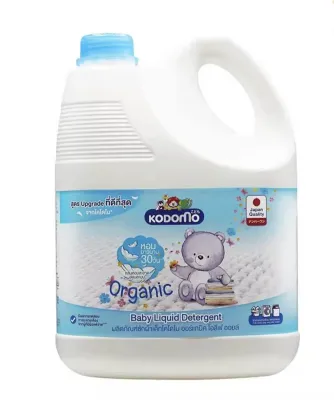
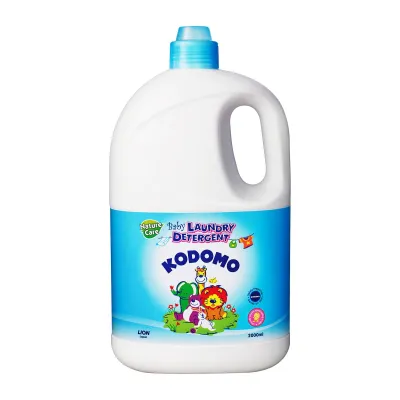
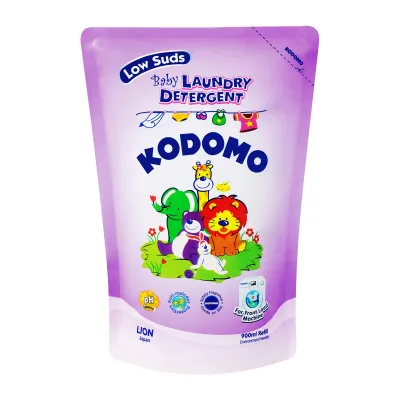
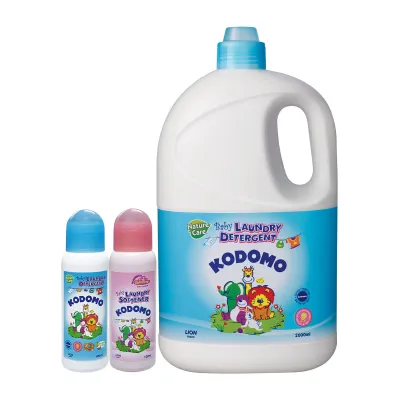
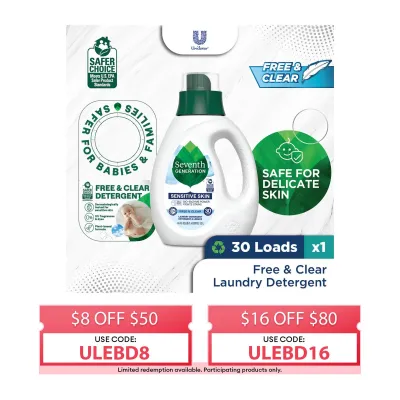
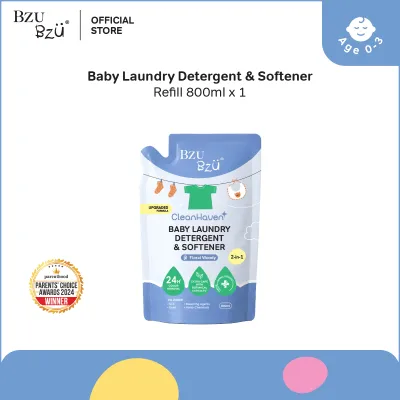
Prices are valid at publication and may change. Please refer to the product page for the latest price.
Additionally, inspect the label for any added colorants, synthetic dyes, or optical brighteners. Optical brighteners are chemical compounds designed to absorb ultraviolet light and emit blue light, making clothes look whiter and brighter to the human eye. However, these chemicals do not actually clean the clothes and are formulated to remain trapped in the fabric, potentially causing contact irritation when they rub against a newborn’s sensitive skin.
You should also look for the presence of water softeners and chelating agents on the label. These ingredients help the detergent perform well in different water conditions, but they should be mild and biodegradable. Understanding how these components interact with your local water supply can help you determine if the detergent will rinse out cleanly or leave a stiff residue on your baby’s garments.
Evaluating Ingredient Safety for Newborn Skin
A newborn’s skin is significantly thinner and more permeable than adult skin, making it highly susceptible to absorbing topical substances and experiencing irritation from chemical residues. Because the skin barrier is still maturing during the first few months of life, even minor exposure to harsh laundry residues can trigger dryness, redness, or contact dermatitis. This vulnerability is why choosing a highly refined, gentle detergent formulation is critical for daily wear.

When examining the Tollyjoy refill packaging, you may notice marketing claims such as “dermatologist-tested,” “hypoallergenic,” or “pediatrician-approved.” While these labels indicate that the product has undergone some level of safety evaluation, parents should treat them as helpful indicators rather than absolute guarantees of safety. Always verify if the packaging details the specific testing standards or certifications, and remember that “hypoallergenic” simply means the product is formulated to minimize allergic reactions, not that it is entirely risk-free for every infant.
Another key factor to consider is whether the detergent is pH-balanced. Healthy infant skin has a slightly acidic pH, which helps protect against harmful bacteria and environmental irritants. Washing baby clothes in highly alkaline detergents can disrupt this natural acid mantle if residues are left behind on the fabric. Opting for a pH-balanced formula helps preserve the integrity of your baby’s developing skin barrier and keeps fabrics feeling soft without the need for added chemical softeners.
Furthermore, consider how the detergent interacts with sweat and moisture. Newborns cannot regulate their body temperature as efficiently as adults, leading to frequent sweating. When moisture mixes with detergent residues left on clothing, it can reactivate those chemicals, increasing the likelihood of localized skin irritation in areas like the neck, armpits, and diaper line.
Harsh Chemicals to Verify Are Absent
To ensure the utmost safety for your newborn, use the ingredient label on your Tollyjoy refill to verify the absence of known skin irritants. First, check for harsh preservatives such as methylisothiazolinone (MIT), methylchloroisothiazolinone (CMIT), or parabens. While preservatives are necessary to prevent bacterial and mold growth in liquid detergents, certain synthetic preservatives are notorious for causing allergic contact dermatitis in infants and should be avoided.
Next, look closely at the fragrance profile. Strong synthetic fragrances and even certain natural essential oils can trigger both skin irritation and respiratory sensitivities in newborns. If the Tollyjoy refill contains added fragrance, ensure it is specifically formulated for sensitive baby skin, or opt for a completely fragrance-free version if your baby shows any signs of respiratory or skin sensitivity.
Finally, confirm that the formulation is free from phosphates and chlorine-based additives. Phosphates are often used in conventional detergents to soften water and improve cleaning efficiency, but they can be harsh on delicate fabrics and highly irritating to sensitive skin. Chlorine-based bleaching agents can also degrade fabric softness over time, leading to rougher textures that can chafe a newborn’s delicate skin during movement.
You should also verify that the detergent does not contain sodium lauryl sulfate (SLS) or sodium laureth sulfate (SLES). While these sulfates are highly effective foaming agents, they are known to strip natural oils from the skin and can be too harsh for a newborn’s delicate skin barrier. Checking for these specific exclusions on the packaging will give you peace of mind before the first wash.
Best Practices for Washing Newborn Clothes Safely
Even the gentlest detergent can cause skin irritation if it is not used and rinsed correctly. Always follow the manufacturer’s recommended dosage instructions printed on the Tollyjoy refill pouch. Using too much detergent does not make clothes cleaner; instead, it creates excess suds that are difficult to rinse out, leaving a soapy buildup on the fabric fibers that can rub against your baby’s skin.
To minimize the risk of detergent buildup, always run newborn garments, blankets, and cloth diapers through an extra rinse cycle. This additional step helps flush out any lingering surfactant or fragrance residues from the fabric. For the best results, wash baby clothes separately from the rest of the family’s laundry to prevent the transfer of harsher adult detergents, fabric softeners, or heavy soils.
Before dressing your newborn in a newly washed outfit, perform a simple fabric patch test. Have your baby wear a small, washed item, such as a mitten or a small sock, for a few hours and monitor the skin for any signs of redness or irritation. If you notice an unexpected skin reaction, stop using the detergent immediately, wash the garments in plain water, and consult a pediatrician or pediatric dermatologist for professional guidance.
Additionally, ensure that your washing machine is cleaned regularly. Over time, residues from adult detergents, fabric softeners, and dirt can build up inside the drum and transfer to your baby’s laundry. Running a monthly hot-water cleaning cycle with white vinegar or a dedicated washing machine cleaner can help maintain a hygienic washing environment for your newborn’s clothes.
Frequently Asked Questions (FAQ)
Can I use the Tollyjoy baby detergent refill for the whole family's laundry?
Yes, you can use the Tollyjoy baby detergent refill for adult clothing, especially if family members have sensitive skin, eczema, or allergies. However, keep in mind that baby detergents are formulated to be exceptionally gentle, which means they may not have the heavy-duty stain-removing power required for tough adult soils, grease, or work grime. Additionally, using a specialized baby detergent for large family loads can quickly become less cost-effective, so you may want to reserve it primarily for your infant’s items and delicate family garments.
What should I do if my newborn develops a rash after washing clothes with this detergent?
If your newborn develops a rash, stop using the detergent immediately. Re-wash all of your baby’s clothes, bedding, and cloth diapers using plain, warm water or a verified, fragrance-free hypoallergenic alternative to strip away any lingering residues. Avoid applying self-prescribed topical creams or home remedies to the rash, as these can exacerbate the irritation. Instead, consult a pediatrician or a pediatric dermatologist promptly to obtain an accurate diagnosis and a safe, professional treatment plan.
Community discussion
Share your experience or ask a question. Comments are reviewed before publication.