
Is the Tutti Bambini Cozee Safe?
When preparing a nursery in Singapore, selecting a safe sleeping arrangement is one of the most critical decisions you will make. The tutti bambini cozee has become a popular choice among parents seeking a space-saving, convenient bedside sleeper that allows them to keep their newborn close during the first few months. However, when it comes to infant sleep, safety is never a simple yes-or-no answer. While the manufacturer designs this bedside sleeper to meet rigorous international safety benchmarks, its ultimate safety in your home depends heavily on verifying the specific manufacturing batch, adhering to strict age and weight limits, and following correct assembly and usage guidelines.
No baby product can offer an absolute guarantee of safety on its own. Infant sleep safety is a dynamic combination of product engineering, structural integrity, and caregiver compliance with safe sleep practices. In Singapore’s typical high-rise residential settings, where space is optimized and bedside sleepers are frequently moved between rooms, understanding the precise setup requirements is vital. Before placing your baby in any crib, you must evaluate the product’s certifications, inspect the physical unit, and commit to safe sleep habits that eliminate common hazards such as suffocation, entrapment, and falls.
Key Safety Standards for Bedside Cribs: EN 1130 and BS EN 716
To determine if a bedside sleeper is safe, you must look at the specific European and British safety standards governing these products. These standards are not mere bureaucratic formalities; they are rigorous testing protocols designed to simulate real-world use and abuse by infants and toddlers.
Products mentioned in this guide
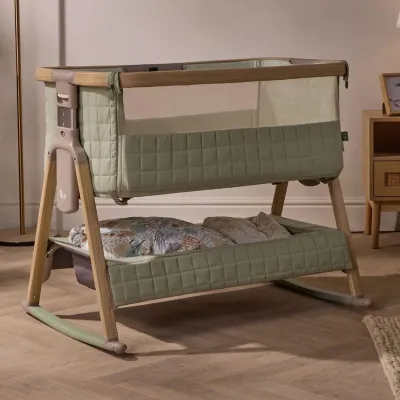
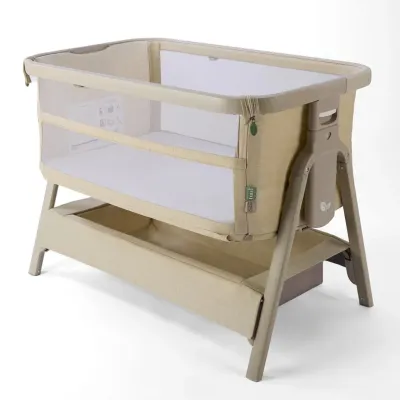
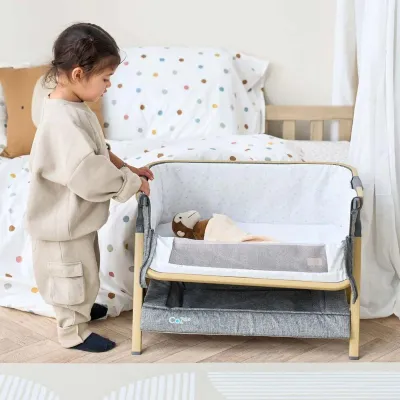
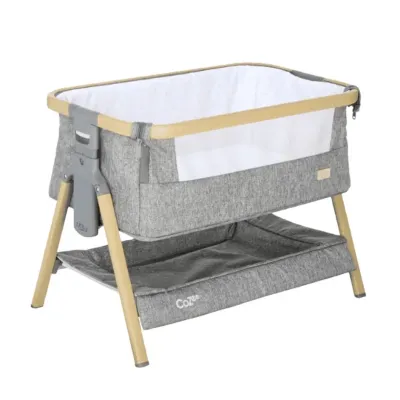


Prices are valid at publication and may change. Please refer to the product page for the latest price.

EN 1130 (Domestic Cribs and Cradles) The primary safety standard for bedside sleepers and traditional cribs is EN 1130. This standard specifically addresses the unique hazards associated with small, elevated sleeping spaces intended for young infants. When a crib is certified under EN 1130, it has undergone extensive testing for:
- Structural Stability: Ensuring the crib will not tip over if a sibling leans against it or if the baby shifts weight.
- Entrapment Prevention: Verifying that the distance between slats, mesh panels, and frame joints is small enough to prevent a baby's head, limbs, or fingers from becoming trapped.
- Chemical Safety: Testing all paints, varnishes, and textiles to ensure they are non-toxic and free from harmful fire retardants or heavy metals.
- Suffocation Hazards: Ensuring that the internal lining and mesh panels are highly breathable to reduce the risk of carbon dioxide rebreathing if the baby's face presses against the side.
BS EN 716 (Children’s Cots and Folding Cots) While EN 1130 covers smaller cribs and cradles, BS EN 716 is the standard applied to larger, traditional baby cots and folding travel cots. It focuses on:
- Minimum Height Requirements: Ensuring the distance from the top of the mattress to the top of the cot side is sufficient to prevent a child from climbing or falling out.
- Drop-Side Mechanism Safety: Testing the locking mechanisms of drop-side rails to ensure they cannot be accidentally released by a child or fail under pressure.
- Mattress Fit and Base Strength: Ensuring the mattress base can withstand repeated impacts without sagging or breaking, and that the mattress fits snugly to prevent gaps.
Bedside Sleeper Specifics A bedside sleeper differs significantly from a standalone crib because it attaches directly to an adult bed. This configuration introduces specific risks, primarily the creation of a dangerous gap between the adult mattress and the baby’s crib. Standard EN 1130 includes specific clauses for bedside sleepers, requiring secure attachment systems (such as heavy-duty straps) that prevent the crib from shifting away from the adult bed. It also mandates that the lowered side panel must have a protective barrier or a minimum height when attached to prevent the baby from rolling onto the adult mattress or falling into an unsecured gap. Always verify that your specific model explicitly states compliance with the latest version of EN 1130.
How to Verify Safety Certifications Before You Buy
With various models, batches, and parallel imports available in the Singapore retail market, parents must take active steps to verify the safety credentials of the specific unit they intend to purchase. Do not rely solely on retail marketing descriptions; instead, conduct a physical and documentary inspection.
Check the Physical Labels and Frame Every compliant crib must have permanent safety markings printed or sewn onto the product itself. Look closely at the fabric lining, the underside of the mattress base, or the metal frame for the following markings:
- The specific standards code (e.g., EN 1130 or BS EN 716).
- The UKCA (UK Conformity Assessed) or CE (Conformité Européenne) mark, which indicates compliance with safety, health, and environmental protection standards.
- The manufacturer’s name, batch number, and production date. These details are crucial if you need to check for product recalls or contact customer support.
Review the Official Documentation Before finalizing your purchase, ask to see the official user manual or download it directly from the manufacturer’s official website. The manual must contain explicit safety warnings, a list of compliant parts, and clear step-by-step assembly instructions. If a retailer cannot provide the official manual, or if the documentation is missing, you should reconsider the purchase.
Perform the Mattress Fit Check One of the most common causes of infant entrapment is an ill-fitting mattress. If you are inspecting a display model or setting up your new crib, perform the “two-finger rule.” Insert your index and middle fingers between the edge of the mattress and the inner walls of the crib. If you can easily fit more than two fingers into the gap, the mattress is too small, creating a severe suffocation and entrapment hazard. Always use the exact mattress supplied by the manufacturer for that specific model; never add a second mattress or substitute it with an aftermarket option unless it is officially certified as compatible.
Inspect the Hardware and Joints Before placing your baby in the crib, conduct a thorough hands-on inspection of the structural components:
- Frame Rigidity: Shake the frame gently to ensure there is no excessive wobbling or loose joints.
- Locking Mechanisms: Test all height adjustment locks and folding joints to ensure they click securely into place and cannot be disengaged without deliberate manual force.
- Drop-Side Operation: If the model features a drop-side or zip-down panel, ensure the zippers, snaps, or clips operate smoothly and lock firmly when raised.
Essential Safety Practices for Using a Bedside Crib
Even the most highly certified crib can become unsafe if it is installed or used incorrectly. To protect your baby, you must integrate strict safety protocols into your daily routine.
Secure Attachment to the Adult Bed When using the crib in its bedside sleeper configuration, you must secure it tightly to the adult bed frame.
- Use the Provided Connection Straps: Never rely on the weight of the crib or the adult bed to keep them together. You must loop the manufacturer-provided straps around the adult bed frame or divan base and tighten them until the bedside sleeper is flush against the adult mattress.
- Eliminate Gaps: Check the connection daily. There must be absolutely no gap between the adult mattress and the side of the bedside sleeper. If a gap forms, immediately discontinue use until you can re-secure and tighten the straps.
- Height Alignment: Adjust the height of the bedside sleeper so that the lowered side is slightly below or level with the top of the adult mattress, strictly adhering to the manufacturer's alignment instructions to prevent a lip or drop that could trap the baby.
Maintain a Safe Sleep Environment The sleep surface itself must remain completely clear of hazards.
- Firm and Flat: The mattress must be firm and flat. Soft surfaces can conform to a baby's face and block their airway.
- No Soft Bedding: Do not place pillows, thick blankets, quilts, sheepskins, or stuffed toys inside the crib. If you use a blanket, it must be thin, tucked securely around the foot of the mattress, and reach no higher than the baby's chest. Alternatively, use a properly fitted infant sleeping bag.
- Avoid Bumper Pads: Traditional padded bumpers are a known suffocation and climbing hazard and should never be used.
Manage the Drop-Side Panel The zip-down or drop-side panel is designed for easy access during nighttime feeding and comforting. However, leaving this panel down when it is not actively monitored is dangerous.
- Raise and Lock: Always fully raise and lock the side panel whenever you are sleeping, when the baby is left unattended, or when the crib is used as a standalone unit.
- Supervised Access: The side panel should only remain lowered when an adult is awake, alert, and actively supervising the infant.
Optimize Room and Climate Conditions In Singapore’s warm and humid tropical climate, preventing overheating is a critical aspect of safe sleep.
- Airflow and Ventilation: Ensure the room is well-ventilated. If you use air conditioning, set it to a comfortable temperature (ideally between 20°C and 22°C) and ensure the crib is not directly in the path of a cold draft. If using a fan, ensure it circulates air without blowing directly onto the baby.
- Breathable Linens: Use only lightweight, breathable cotton sheets. Regularly inspect the fabric lining of the crib for signs of moisture or mold, which can accumulate quickly in humid environments, and wash them according to the manufacturer's care instructions.
Weight, Age, and Developmental Limits: When to Transition
A bedside crib is a temporary sleeping solution designed exclusively for the early stages of infancy. Knowing exactly when to transition your baby to a larger cot is essential to prevent severe fall injuries.
Strictly Follow Manufacturer Limits Every crib has specific weight and size limits determined by structural testing. For most bedside sleepers, including the Tutti Bambini Cozee range, the maximum weight limit is typically 9kg (approximately 20 lbs). However, you must consult your specific unit’s user manual to verify the exact limit for your batch. Once your baby reaches this weight, the structural integrity of the base and support legs can no longer be guaranteed.
Monitor Developmental Milestones Developmental milestones are far more critical than age or weight limits. You must stop using the bedside sleeper immediately if your baby exhibits any of the following behaviors, regardless of their weight:
- Rolling Over: If your baby can roll from back to front or front to back, they can easily press their face against the sides or shift their weight, increasing the risk of entrapment.
- Pushing Up: If your baby begins to push up on their hands and knees, they are preparing to crawl and sit. This posture raises their center of gravity, making the shallow sides of a bedside crib unsafe.
- Sitting or Pulling Up: If your baby can sit independently or pull themselves up using the sides of the crib, they are at an immediate risk of climbing or falling out of the elevated sleeper.
Plan the Transition Early Do not wait until your baby outgrows the crib to purchase a full-sized baby cot. Plan the transition around the four-to-six-month mark, as this is when most infants begin to master rolling and require a deeper, more robust sleeping environment.
Frequently Asked Questions (FAQ)
Can I use the Tutti Bambini Cozee as a standalone crib?
Yes, you can use the Tutti Bambini Cozee as a standalone crib. When configured as a standalone unit, you must ensure that the drop-side mesh panel is fully raised, zipped up, and securely locked into place on both sides. Never leave the side panel lowered or partially unzipped when the crib is not securely strapped to an adult bed, as this creates an immediate risk of the baby rolling out and falling. Additionally, ensure the crib is placed on a flat, level surface with all wheels or rocking mechanisms locked securely.
Is it safe to use a second-hand Tutti Bambini Cozee?
Using a second-hand bedside sleeper carries inherent risks and requires extreme caution. Before using a pre-owned unit, you must inspect the frame thoroughly for any structural damage, hairline cracks, or bent metal tubes. Verify that all original hardware, attachment straps, and the official user manual are present; never substitute missing parts with generic hardware. Ensure that all locking mechanisms, zippers, and height adjusters function perfectly. For safety and hygiene reasons, particularly in humid climates like Singapore, it is highly recommended to replace the mattress with a brand-new, original manufacturer mattress designed specifically for that model to ensure a perfect, gap-free fit.
Community discussion
Share your experience or ask a question. Comments are reviewed before publication.