
Determining whether the Tollyjoy baby laundry detergent refill is safe for your newborn’s sensitive skin requires looking beyond marketing claims and evaluating the actual ingredient profile, washing habits, and your baby’s individual skin response. Because newborn skin is highly permeable and reactive, no single product can guarantee a zero-risk experience for every infant. To make an informed decision, you must systematically check the refill packaging for potential irritants, adopt residue-reducing laundry practices, and know how to monitor your baby’s skin for any signs of contact irritation. By taking a methodical approach to your baby’s laundry routine, you can minimize the risk of skin flare-ups and ensure a comfortable environment for your little one.
Understanding Why Newborn Skin Reacts to Laundry Detergents
Newborn skin is structurally different from adult skin, making it far more vulnerable to external substances. The outermost layer of the skin, known as the stratum corneum, is significantly thinner in infants, which increases its overall permeability. This means that chemicals left behind on clothing fibers can easily penetrate the skin barrier, potentially leading to irritation, dryness, or allergic reactions. Additionally, a newborn’s skin barrier is still developing its natural lipid balance, making it less capable of defending against harsh external agents.
Several common detergent ingredient categories are known to pose a higher risk of triggering skin reactions in babies. Optical brighteners, which are synthetic chemicals designed to make fabrics look whiter by reflecting light, do not easily rinse out and remain bound to the clothing fibers. Strong synthetic fragrances, harsh anionic surfactants like sodium lauryl sulfate (SLS), and certain preservatives can also disrupt the delicate skin barrier of a newborn, leading to contact dermatitis.
Products mentioned in this guide
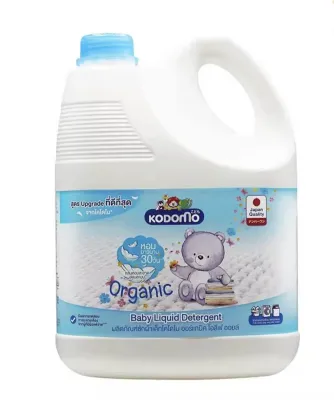
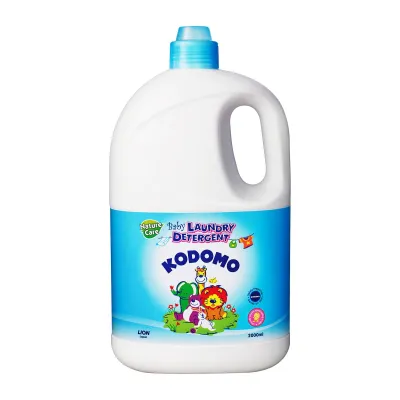
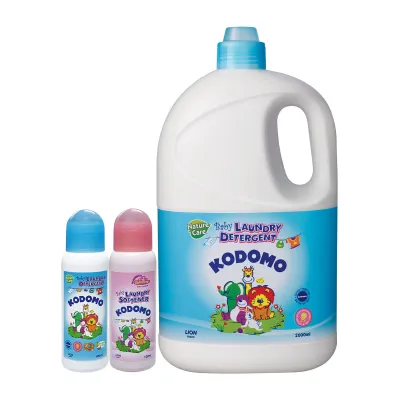
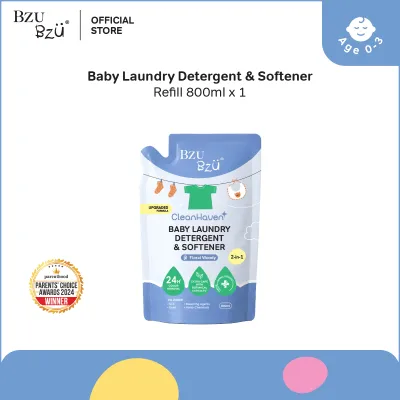
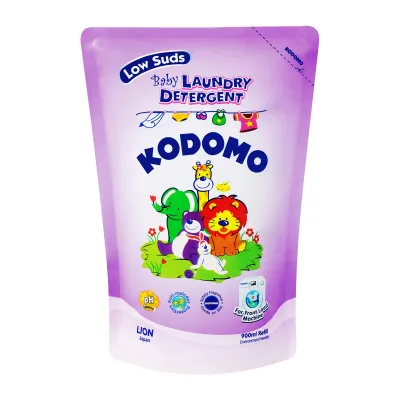
Prices are valid at publication and may change. Please refer to the product page for the latest price.
When shopping for baby laundry products, it is important to understand that terms like “hypoallergenic” or “gentle” are often unregulated marketing claims. These labels do not guarantee that a product is completely free from irritants for every individual baby. To ensure safety, parents should look for verified dermatological testing standards or perform a careful ingredient check rather than relying solely on front-of-pack promises. Understanding the science behind skin sensitivity helps you make choices based on facts rather than marketing.
How to Check the Tollyjoy Refill Label for Potential Irritants
To determine if the Tollyjoy baby laundry detergent refill is suitable for your newborn, you should start by locating and reading the full ingredient list on the physical refill pouch. If the physical packaging does not display the complete list, check the manufacturer’s official digital channels or contact their customer service directly. Relying on front-label summaries can sometimes cause you to miss minor ingredients that might trigger a reaction.

When reviewing the ingredient list, keep a practical checklist in mind to spot hidden irritants. Look closely for undisclosed fragrance blends, which are often listed under generic terms like “parfum” or “fragrance” and can contain numerous individual chemical compounds. Additionally, check for specific dye compounds, optical brighteners, or strong preservatives like methylisothiazolinone, which are known sensitizers for delicate skin. Even natural-sounding ingredients, such as certain essential oils, can occasionally cause reactions in highly sensitive newborns.
You should also verify any dermatological endorsements, pediatrician approvals, or safety certifications claimed on the packaging. Rather than accepting these claims at face value, check the manufacturer’s current, verifiable specifications to understand the scope of the testing. Knowing whether a product has undergone independent dermatological testing under clinical supervision provides a more reliable basis for your decision. If a certification is mentioned, look up the issuing body to ensure it aligns with recognized international safety standards.
Washing Practices to Minimize Detergent Residue
Even the mildest baby detergent can cause skin irritation if it is not thoroughly rinsed from clothing, blankets, and bedding. To prevent chemical buildup in fabric fibers, always measure the detergent strictly according to the manufacturer’s dosage instructions. Using more detergent than recommended does not make the clothes cleaner; instead, it leaves behind a soapy residue that remains in constant contact with your baby’s skin.
Adding an extra rinse cycle to your washing machine is a highly effective way to flush out suspended surfactants from fabric fibers. If you prefer hand washing, ensure that you rinse the garments repeatedly in clean water until the water is completely clear and free of suds. Thorough rinsing is especially critical for items that fit tightly against your baby’s skin, such as onesies, swaddles, and reusable diapers, where friction can exacerbate irritation.
Washing newborn items separately from adult clothing is another essential practice to protect sensitive skin. Adult laundry often contains residues from stronger detergents, fabric softeners, or dryer sheets, which can easily transfer to baby clothes during a shared wash cycle. Keeping your baby’s laundry separate minimizes the risk of cross-contamination and allows you to control the washing environment completely. It also ensures that you do not accidentally expose your newborn to heavy perfumes or fabric softeners used for adult garments.
How to Monitor Your Baby's Skin for Detergent Reactions
After introducing a new laundry detergent, closely monitor your baby’s skin for any signs of contact irritation. Localized reactions typically appear as redness, dry or rough patches, or small bumps in areas where clothing fits tightly or rubs against the skin, such as the collarbone, wrists, thighs, and diaper line. These localized patterns often point directly to a reaction from clothing residue rather than an internal issue.
It is helpful to differentiate between typical, harmless newborn skin conditions and actual contact dermatitis. Common conditions like baby acne, milia, or mild erythema toxicum usually appear on the face or torso and are not typically caused by external irritants. In contrast, contact dermatitis from laundry detergent tends to present as itchy, red, or inflamed skin directly corresponding to clothed areas, often sparing areas that are not covered by fabric.
If you notice persistent or worsening skin irritation after you begin using the Tollyjoy refill, establish a clear stop-use condition. Discontinue using the detergent immediately and wash all of your baby’s clothing and bedding in plain water or a verified alternative detergent to remove any remaining residue. Monitoring the skin’s recovery after stopping the product can help confirm if the detergent was the primary cause of the reaction. If the skin clears up within a few days of switching, it is highly likely the previous detergent was the culprit.
When to Stop Use and Consult a Pediatrician
While mild skin redness can often be managed by changing your laundry routine, certain severe symptoms require immediate professional medical evaluation. If your baby develops weeping blisters, widespread hives, skin peeling, or signs of a secondary infection such as pus, extreme tenderness, or warmth in the affected area, seek medical attention right away. These symptoms indicate a more severe reaction or infection that cannot be resolved by home care alone.
Avoid self-diagnosing your baby’s skin condition or applying over-the-counter medicated creams, such as topical steroids or antihistamines, without professional guidance. Using these products without a doctor’s recommendation can mask important symptoms, delay proper treatment, or even worsen the irritation on delicate newborn skin. A professional diagnosis ensures your baby receives the correct treatment for their specific skin type.
When you visit the clinic, bring the exact Tollyjoy refill packaging or a clear photograph of the ingredient list with you. Having the complete ingredient profile allows the pediatrician to identify potential allergens more accurately. This information helps the doctor recommend safe, alternative skincare and laundry routines tailored to your baby’s specific sensitivities, ensuring you can care for your newborn with confidence.
Frequently Asked Questions (FAQ)
Does the refill pouch contain the exact same formula as the bottled version?
To confirm whether the refill pouch contains the exact same formula as the bottled version, you must physically compare the ingredient lists on both packages. Packaging formats do not always guarantee identical formulations, as manufacturers may use different production lines or adjust ingredients for different packaging types. Direct label verification is the only reliable way to ensure you are using the same product.
Additionally, manufacturers occasionally update their formulas, change ingredient suppliers, or introduce new versions without changing the primary product name. If your baby has highly sensitive skin, checking the ingredient list on every new purchase—whether a bottle or a refill pouch—helps prevent accidental exposure to a newly introduced irritant. Never assume that a refill pouch is identical to a bottle you purchased months prior.
Is hand washing better than machine washing for newborn clothes?
Both hand washing and machine washing can be safe for newborn clothes, provided you follow proper dosage guidelines and thorough rinsing protocols. Neither method is universally superior; instead, the safety of the garments depends on how effectively you remove detergent residue.
Machine washing with a dedicated extra rinse cycle often removes chemical residues more effectively than manual hand washing. Hand washing can sometimes leave surfactants trapped in the fabric fibers if the garments are not rinsed repeatedly in fresh water and wrung out thoroughly. If you choose to hand wash, dedicate extra time to multiple rinses to ensure all soap is completely flushed out.

Community discussion
Share your experience or ask a question. Comments are reviewed before publication.