
When preparing for the arrival of a newborn in Singapore, selecting safe and practical baby gear is a top priority. Among the options, the Stokke Flexi Bath XL stands out due to its space-saving foldable design and long-term usability. However, many parents wonder whether this specific model is certified by Singapore’s Health Sciences Authority (HSA) and if its larger dimensions are safe for a delicate newborn.
To address the regulatory question directly, the Stokke Flexi Bath XL is not certified by the HSA. The Health Sciences Authority does not regulate or certify general baby nursery products, furniture, or bathtubs, focusing instead on health products, medical devices, cosmetics, and medicines. For baby bathtubs, safety compliance is governed by general consumer product safety regulations and international standards rather than medical certifications.
Regarding safety, the Stokke Flexi Bath XL can be used safely for a newborn, but only under specific conditions. Because the XL model is significantly larger than the standard version, using it for an infant who cannot yet sit up requires the compatible Stokke Newborn Support accessory. Without this support, the spacious tub poses a risk of slipping and submersion for a newborn who lacks neck and core strength.
Products mentioned in this guide
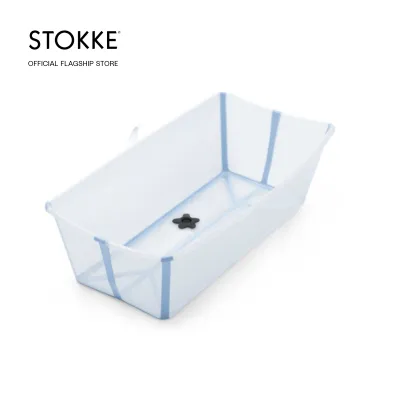
![Stokke® Flexi Bath® X-Large [Pre-Order Early Aug]](https://img.lazcdn.com/g/p/00550afa369208c9834f30f5e0df7fce.jpg_400x400q80.jpg_.webp)
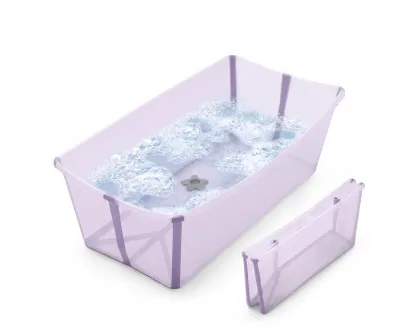
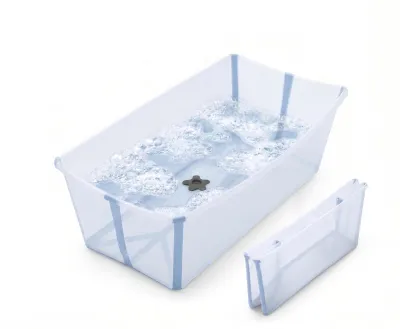
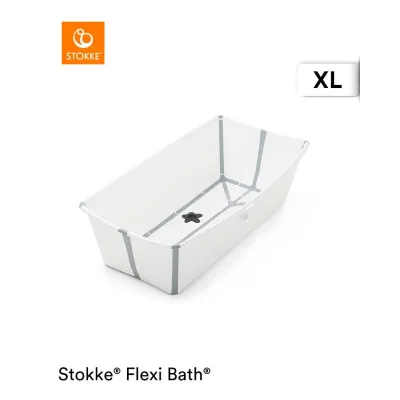
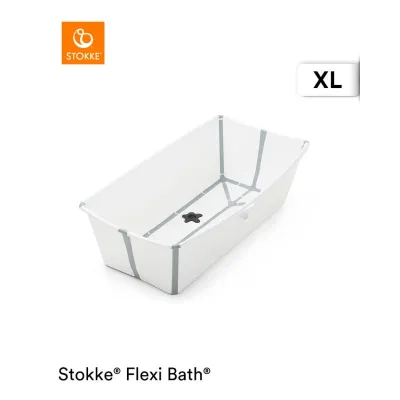
Prices are valid at publication and may change. Please refer to the product page for the latest price.
Understanding how to navigate local safety standards, evaluate the physical design of the tub, and implement safe bathing practices will help you make an informed decision. By focusing on proper setup, continuous supervision, and authentic product verification, you can ensure a secure and comfortable bath time experience for your baby.
Clarifying HSA Certification and Baby Bath Safety Standards
The regulatory landscape for baby products in Singapore can sometimes be confusing for new parents. It is common to see terms like “HSA-certified” associated with health and safety, leading to the assumption that all high-quality baby items must carry this designation. However, the Health Sciences Authority (HSA) specifically oversees therapeutic products, medical devices, health supplements, and cosmetics. Since a baby bathtub is a general consumer utility item rather than a medical device, it does not fall under the regulatory scope of the HSA, and no official HSA registration exists for such products.
Instead, general consumer goods in Singapore are overseen by the Consumer Product Safety Office (CPSO), which is safeguarded by Enterprise Singapore. The CPSO ensures that consumer products sold locally comply with safety requirements to protect public health and safety. While baby bathtubs are not classified as “controlled goods” requiring a mandatory Safety Mark before retail sale, they are still subject to the Consumer Protection (Consumer Goods Safety Requirements) Regulations, meaning they must meet recognized safety standards.
To verify the safety of a baby bathtub, parents should look for compliance with established international standards rather than local medical certifications. For baby bathing equipment, the primary international benchmarks are the European standard EN 17072 and the American ASTM F2674 standard. These standards specify rigorous testing requirements for physical stability, structural integrity, thermal properties, and the prevention of entrapment or tipping hazards.
When purchasing a baby bathtub, it is highly recommended to inspect the packaging and product documentation for references to these international standards. A compliant product will clearly state that it meets EN 17072 or ASTM requirements, indicating that the design has undergone independent testing to verify its safety under normal use conditions. These labels provide the assurance that the tub’s structure can withstand the weight of water and a moving child without collapsing or tipping.
Assessing the Stokke Flexi Bath XL for Newborn Use
The Stokke Flexi Bath XL is designed as a larger alternative to the standard folding tub, intended to accommodate growing toddlers and children up to approximately six years of age. While this extended usability makes it an attractive long-term investment, the generous dimensions of the XL model require careful consideration when used for a newborn. The physical space inside the XL tub is substantial, meaning a tiny infant has plenty of room to slide around if not properly supported.

When evaluating the physical design of the Flexi Bath XL, the folding mechanism and material composition are key safety features to inspect. The tub utilizes flexible joints that allow it to fold flat for storage, and it features a non-slip base to prevent the tub from sliding on wet bathroom floors. Parents should verify that the non-slip material on the bottom of the tub is intact and that the folding hinges lock securely into place when the tub is fully expanded.
Because newborns lack the neck and core muscle strength to support their own heads, using the Flexi Bath XL on its own is not safe for the first few months of life. To bridge this developmental gap, the manufacturer offers a dedicated Newborn Support accessory. This ergonomic insert clips securely onto the edge of the folding tub, providing a reclined, stable platform that keeps the baby’s head and upper body safely above the water level while mimicking the support of an adult’s arm.
When using the newborn support insert, it is critical to adhere strictly to the manufacturer’s specified weight and developmental limits. The support accessory is designed for infants from birth up to a specific weight limit, which parents must verify in the product manual. Once your baby begins to sit up independently, rolls over, or exceeds the weight limit of the insert, you must discontinue using the newborn support and transition to using the tub floor directly.
Material safety is another crucial aspect to verify when choosing a baby bathtub. Since the plastic will be in direct contact with your baby’s sensitive skin and warm water, ensure the product documentation confirms that the materials are free from harmful chemicals such as Bisphenol A (BPA), phthalates, and heavy metals. High-quality, non-toxic plastics ensure that no harmful substances leach into the bathwater during use.
Best Practices for Safe Newborn Bathing
Regardless of the specific bathtub model you choose, implementing safe bathing practices is the most effective way to minimize physical risks during bath time. The absolute golden rule of infant bathing is constant, uninterrupted adult supervision. A newborn can drown in as little as two centimeters of water, and accidents can happen silently in a matter of seconds. Never leave your baby unattended in the bath for any reason, even if you are using a newborn support insert or a shallow water level.
Before placing your baby in the water, always verify the water temperature to prevent accidental scalds or chills. The water should feel comfortably warm, not hot, with an ideal temperature range of approximately 37°C to 38°C. You can verify this using a reliable digital bath thermometer or by testing the water with the sensitive skin on the inside of your wrist or elbow. Always mix the water thoroughly to eliminate any hot spots before putting the baby in.
Water depth is another critical factor that requires careful management, especially in a larger tub like the Flexi Bath XL. For a newborn, the water level should be very shallow, typically only covering the baby’s legs and lower torso while keeping the chest and head completely clear. When using the newborn support insert, ensure the water level does not exceed the maximum fill line indicated on the accessory or in the instruction manual.
Safe handling and transfer techniques are essential for preventing slips and drops, as wet babies can be extremely slippery. When lowering your baby into the tub, keep one hand securely supporting their head, neck, and shoulders at all times, while using your other hand to guide their body. Maintain a firm but gentle grip throughout the entire bath, and never rely solely on the newborn support insert to hold the baby in place without your physical presence and proximity.
Verifying Authenticity and Checking Safety Labels
To guarantee that your baby bathtub meets the manufacturer’s safety specifications and is made from non-toxic materials, it is essential to purchase from authorized and reputable sources. In Singapore, buying from official brand stores, authorized local distributors, or established online marketplaces helps protect you against counterfeit products. Counterfeit baby gear often bypasses critical safety testing, uses substandard plastics that may contain harmful chemicals, and may feature weak folding joints prone to failure.
Upon receiving your product, take a few minutes to conduct a thorough physical inspection of the packaging and the tub itself. Look for official branding, clear and legible warning labels, batch or serial numbers, and a comprehensive instruction manual printed in English. Genuine products will also feature safety warnings molded directly into the plastic of the tub or printed on durable, waterproof stickers attached to the frame.
If you find that the product lacks proper documentation, does not have safety labels, or shows any signs of manufacturing defects, do not use it. Inspect the folding hinges, the drain plug, and the newborn support attachment points for any signs of weakness, tearing, or improper fit. If you notice any anomalies, contact the retailer or the manufacturer’s customer service immediately to arrange for a verification or a replacement.
Frequently Asked Questions (FAQ)
Can I use the Stokke Flexi Bath XL without the Newborn Support?
No, it is highly recommended that you do not use the Stokke Flexi Bath XL for a newborn without the dedicated Newborn Support accessory. Because the XL model is designed with a spacious interior to accommodate older toddlers, it does not provide the physical boundaries or support that a newborn requires. Without the support insert, an infant who cannot sit up independently can easily slide, tip over, or slip under the water. You should only transition to using the tub without the insert once your baby has reached the developmental milestone of sitting upright without assistance and has exceeded the weight limit of the support accessory.
How do I clean and maintain the folding mechanism safely?
To maintain hygiene and preserve the structural integrity of the folding mechanism, rinse the tub thoroughly with clean water after every use to remove soap scum and bath residue. Wipe the surfaces down with a soft cloth and a mild, baby-safe detergent; avoid using abrasive scrubbers or harsh chemical cleaners that could degrade the plastic over time. Always allow the tub to dry completely in a well-ventilated area before folding and storing it away. Moisture trapped within the folding creases can lead to mold or mildew growth, which can compromise both hygiene and the durability of the flexible joints.
Community discussion
Share your experience or ask a question. Comments are reviewed before publication.