
Quick Answer: Is the Richell Direct Top Right for Your Baby?
Deciding when to transition your baby to a direct-drinking cup is a major milestone in their weaning journey. The Richell Direct Top is designed to help infants bridge the gap between sucking from a bottle or straw and sipping from an open cup. Whether this specific product is right for your child depends entirely on their current physical development and oral motor skills rather than their chronological age alone.
You should consider proceeding with this cup if your baby can sit upright without support, shows interest in your own drinking cups, and can swallow thin liquids without frequent coughing. If your baby still struggles to control liquid in their mouth, frequently chokes on water, or cannot yet hold their head steady, it is best to wait. Starting too early can lead to frustration, while waiting for the right developmental cues ensures a smoother, safer transition to independent drinking.
Signs Your Baby Is Ready for the Richell Direct Top
Observing your baby’s oral motor skills is the first step in determining readiness for a direct-flow cup. Unlike bottles or straw cups that rely on a sucking reflex, a direct-drinking top requires the baby to use their upper lip to stabilize the flow of liquid. Watch how your baby handles purees and water from a spoon; if they can close their lips around the spoon and swallow smoothly without pushing the food back out with their tongue, their oral coordination is developing well.
Products mentioned in this guide
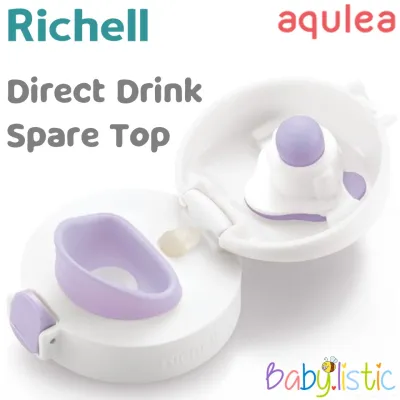
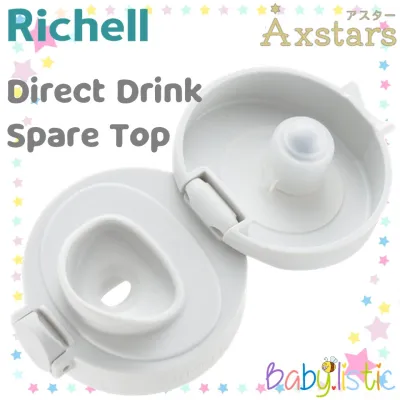
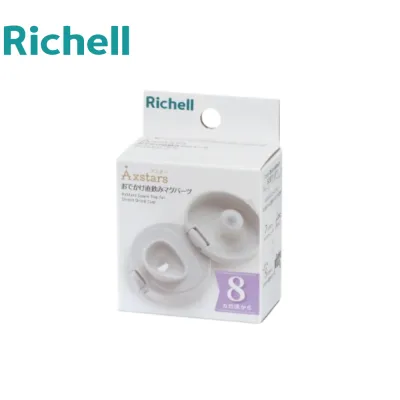
![Richell T.L.I Spare Top [2025] - No-Spill Straw / Easy-Sip Direct Drink](https://img.lazcdn.com/g/p/90709eb90c707f14e13fdfda144e80f8.jpg_400x400q80.jpg_.webp)
Prices are valid at publication and may change. Please refer to the product page for the latest price.

Physical stability is another critical indicator that your baby is ready to transition. Your baby must be able to sit upright independently in a high chair with excellent head and neck control. This upright posture is not just about comfort; it is a vital safety measure that helps prevent choking by allowing the airway to remain clear and aligned. In warm, humid climates where keeping your baby hydrated is a daily priority, ensuring they can sit safely during drink breaks is essential before introducing any free-flowing cup.
Hand-eye coordination plays a major role in how successfully your baby will interact with a new cup. Before introducing a direct top, check if your baby can reliably grasp small toys, transfer objects from one hand to the other, and bring items directly to their mouth. A baby who can successfully guide a cup to their lips is much more likely to enjoy the process of learning to drink independently, rather than becoming frustrated by spills.
Finally, look for behavioral signs of curiosity during family meals. If your baby reaches for your water glass or tries to mimic your sipping motions, they are showing cognitive readiness. Capitalising on this natural curiosity makes the introduction of a weaning cup much easier, as the baby is already motivated to copy your actions.
When to Wait or Choose a Different Weaning Cup
Introducing a direct-drinking cup too early can lead to feeding aversion and unnecessary mess, so it is important to recognize when your baby is not yet ready. If your baby consistently pushes the cup away, turns their head, or cries when the cup approaches, these are clear signals to pause. Forcing the transition can create negative associations with drinking, which can be difficult to reverse later on.
Frequent choking, sputtering, or coughing during attempts to drink are serious warning signs that your baby’s swallowing mechanism is not yet mature enough for a direct flow. If you notice that liquid constantly pours out of the corners of their mouth rather than being swallowed, their lip-seal coordination needs more time to develop. In these cases, continuing to use a direct top can be a safety hazard, and you should revert to a more controlled feeding method.
If your baby is not ready for a direct top, there are several excellent transitional options to consider. A weighted straw cup is often an ideal intermediate step, as it allows the baby to drink from any angle while still utilizing a familiar sucking motion. Alternatively, you can practice open-cup drinking by holding a small, rimmed cup for your baby and pouring tiny sips into their mouth, allowing them to practice the sipping motion without having to manage the weight of the cup themselves.
When you decide to pause the transition, give your baby a break of at least two to three weeks before trying again. Developmental leaps in oral motor skills can happen quickly, and a cup that caused frustration today might be easily mastered in a month. During this waiting period, continue to encourage self-feeding with soft finger foods to help build jaw and lip strength.
How to Verify Product Specs and Safety for Your Baby
Before purchasing or using any weaning cup, it is essential to verify the manufacturer’s specifications on the packaging to ensure it matches your baby’s needs. Look closely at the recommended age or developmental stage printed on the box. While these age guidelines are helpful reference points, always prioritize your baby’s actual physical milestones over the number on the packaging.
Material safety is a paramount concern for any product that comes into contact with your baby’s food and drink. Check the product label to confirm that all components are free from BPA, phthalates, and other harmful chemicals. Additionally, verify the heat resistance limits for every individual part, including the plastic cup, the silicone lid, and any internal valves. This is particularly important if you plan to use steam sterilizers, UV sterilizers, or boiling water, as exceeding the recommended temperature limits can warp the parts and compromise their seal.
Hygiene and ease of cleaning are critical factors in preventing the growth of mold and bacteria, which thrive in warm, humid environments. Examine the design of the direct top to see how easily it can be disassembled. A safe weaning cup should allow you to remove all silicone gaskets, valves, and seals completely so that no moisture is trapped in hidden crevices. Always read the manufacturer’s cleaning instructions to verify if the parts are dishwasher-safe or if they require specific brush tools for proper maintenance.
Transitioning and Monitoring Your Baby's Drinking Progress
When you are ready to introduce the direct top, choose a quiet, distraction-free mealtime when your baby is alert and relaxed. Start by putting a very small amount of water—just one or two tablespoons—into the cup to minimize spills and prevent the baby from taking too large a gulp. Sit directly opposite your baby so you can observe their facial expressions and swallowing patterns clearly.
Gently guide the cup to your baby’s lips, tilting it slightly so that the liquid just touches their upper lip. Allow them to sniff, taste, and explore the rim at their own pace without forcing them to drink. Over the first few uses, focus on their comfort level and control rather than the actual volume of water they consume; the primary goal at this stage is building confidence and coordination.
It is vital to establish clear stop conditions during this learning process. If your baby begins to cough, choke, or show signs of distress, remove the cup immediately and comfort them. If you observe persistent swallowing difficulties, frequent gagging, or a total refusal to drink liquids over an extended period, discontinue use of the cup and consult your pediatrician or a qualified pediatric feeding therapist for professional guidance.
Frequently Asked Questions (FAQ)
Can I use the Richell Direct Top for hot liquids or formula?
You should always check the specific heat resistance temperature printed on the product packaging before putting any warm liquids into the cup. Generally, weaning cups with sealed lids or valve systems are not designed for hot liquids, as steam pressure can build up inside the container and cause liquid to spray out unexpectedly when opened. If you are serving warm formula or expressed breast milk, ensure it is at a safe, lukewarm feeding temperature and verify that the manufacturer explicitly permits its use in the cup.
How do I clean the cup to ensure it is safe for my baby?
To maintain proper hygiene, completely disassemble all removable parts of the cup, including the silicone gaskets, valves, and the direct-drinking lid, after every single use. Wash each component thoroughly in warm, soapy water using a small detail brush to reach into tight crevices where milk or juice residue can accumulate. Refer to the manufacturer’s instructions to verify if the parts can be safely placed in a dishwasher, steam sterilizer, or boiling water, and ensure all pieces are completely air-dried before reassembling them to prevent mold growth.
Community discussion
Share your experience or ask a question. Comments are reviewed before publication.