
Ensuring your baby has a safe sleep environment is one of the most vital responsibilities of early parenthood. When evaluating whether a Little Zebra mattress—or any infant mattress—is firm enough for your baby, the primary benchmark is how the surface responds to pressure. A safe infant mattress must feel remarkably rigid, far firmer than what an adult would find comfortable, to prevent the baby’s face from sinking into the material. Because infant safety standards are absolute, parents must actively test and verify the physical properties of their specific mattress model rather than relying on brand reputation alone.
Why Mattress Firmness is Critical for Infant Safety
An infant’s physical development and respiratory safety dictate the necessity of an unyielding sleep surface. During the first year of life, babies lack the motor skills and neck strength to easily lift or turn their heads if their breathing pathways become obstructed. If a baby rolls onto their stomach on a soft mattress, their face can sink into the material, creating a pocket that traps exhaled carbon dioxide. This leads to rebreathing, a dangerous scenario where the infant repeatedly inhales their own exhaled air, rapidly depleting their oxygen supply.
Pediatric health organizations worldwide mandate a completely flat, firm sleep surface for all infants under twelve months of age. A firm surface ensures that even if a baby rolls over, their nose and mouth remain clear of obstruction. The mattress must not conform to the shape of the baby’s head or body, maintaining its flat plane under the child’s weight. This structural integrity is the cornerstone of sudden infant death syndrome (SIDS) prevention guidelines.
Products mentioned in this guide
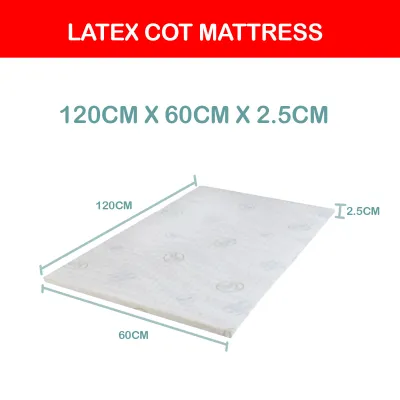
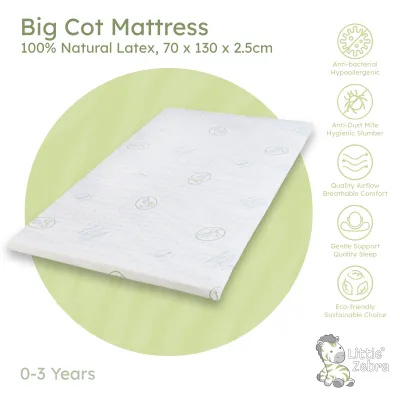
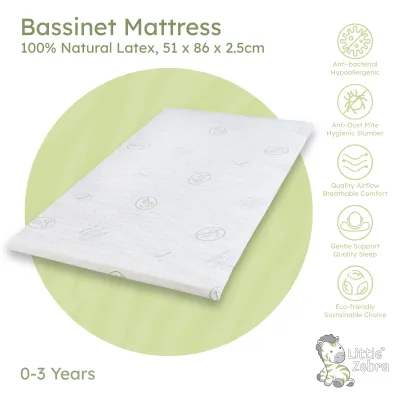
Prices are valid at publication and may change. Please refer to the product page for the latest price.
These safety requirements are universal and do not change based on mattress brand, material composition, or price point. Whether a mattress is made of natural latex, traditional polyurethane foam, or pocket springs, it must meet the same rigorous resistance standards. A premium price tag or an organic label does not automatically guarantee that a mattress is firm enough for a newborn; physical verification remains the only reliable safety check.
How to Verify the Little Zebra Mattress Meets Safety Guidelines
To confirm that your Little Zebra mattress is safe for your infant, start by thoroughly examining the product packaging, law tags, and manufacturer labels. Look for explicit age and weight recommendations provided by the manufacturer, ensuring the mattress is rated for newborns if your baby is under six months old. These labels often contain crucial safety warnings regarding the maximum gap allowed between the mattress and the cot frame, which should never exceed two fingers to prevent entrapment.

You can perform a simple, reliable physical assessment at home using the hand press test. Place the mattress on a flat, solid surface and press your palm firmly down into the center. When you release the pressure, the mattress surface must snap back instantly to its original flat shape without leaving any temporary indentation or handprint. If the material takes several seconds to recover or feels plush and cushiony, it is too soft for a newborn.
Next, conduct an edge check by pressing down along the perimeter of the mattress. Strong edge support is critical because babies often migrate to the sides of the cot as they learn to wiggle and roll. The edges should resist collapsing under pressure, preventing the baby from getting wedged between the mattress and the cot rails. A mattress with weak edges poses a significant suffocation and entrapment risk.
Finally, verify the presence of independent safety certifications on the product tags or the manufacturer’s official documentation. Look for recognized standards such as OEKO-TEX Standard 100, which checks for harmful substances, or local consumer product safety standards. Do not rely on vague marketing terms like “orthopedic” or “pediatrician-approved” without verifying the actual certification codes and testing bodies listed on the physical product labels.
Matching Mattress Firmness to Your Baby's Development Stage
A baby’s sleep surface needs evolve significantly during their first two years of life. Newborns and young infants who cannot yet roll over require an unyielding, highly firm surface to protect their developing spine and keep their airways clear. At this stage, comfort is defined by safety and support, not plushness. The mattress must provide a stable foundation that does not sag under the baby’s concentrated weight.
As your baby transitions into a toddler, their physical needs change. Some infant mattresses feature a dual-firmness design, which includes a highly firm side engineered for infants and a slightly softer, more pressure-relieving side for toddlers. If your Little Zebra model features this dual-sided construction, locate the fabric tags or printed indicators on the mattress cover to identify which side is currently facing up. Keep the infant side upward until your child is at least one year old, or as directed by the manufacturer’s guidelines.
Regularly re-evaluate the sleep surface as your baby hits major developmental milestones, such as rolling over, sitting up, and pulling themselves up to stand. An older baby puts localized pressure on the mattress when they stand or bounce, which can accelerate wear in specific spots. Ensuring the mattress remains firm and stable during these active stages prevents slips, falls, and joint strain as your child learns to navigate their cot environment.
Warning Signs It Is Time to Replace the Mattress
Over time, even high-quality infant mattresses will experience wear and tear that compromises their safety. Parents must inspect the mattress regularly for structural red flags, such as visible sagging in the center or permanent body indentations where the baby usually sleeps. If the mattress does not return to a perfectly flat plane when unoccupied, or if the edges have become soft and easily compressible, the mattress must be replaced immediately.
Material degradation is another critical factor, particularly in warm, humid climates like Singapore’s, where moisture can easily accumulate. Inspect the mattress cover for tears, broken zippers, or cracked waterproof linings that could allow moisture to penetrate the inner core. Exposed inner foam or latex can harbor mold, mildew, and dust mites, creating respiratory hazards for your baby. Any lingering musty odors that persist after cleaning are a clear sign of internal moisture buildup.
If you observe any of these warning signs, or if the mattress has been handed down through multiple children and its history is unknown, stop using it immediately. Do not attempt to patch a sagging mattress with homemade supports or extra padding. Consult the manufacturer’s customer service for warranty options, or purchase a new, certified firm mattress to ensure your baby’s sleep environment remains completely safe.
Frequently Asked Questions (FAQ)
Can I add a soft mattress topper to make the bed more comfortable?
No, you should never add a soft mattress topper, mattress pad, sheepskin, or thick blanket to an infant’s cot. Adding aftermarket padding violates safe sleep guidelines by introducing soft materials that can easily conform to your baby’s face, creating a severe suffocation hazard. For comfort and hygiene, use only a tight-fitting, manufacturer-approved waterproof mattress protector and a snug, well-fitted cot sheet.
How often should I check the mattress firmness as my baby grows?
You should perform a physical firmness and edge-support check every time you change the cot sheets, or at least once a month. This routine inspection allows you to catch any early signs of sagging, cover damage, or moisture accumulation before they become safety hazards. Additionally, re-assess the mattress whenever your baby reaches a new physical milestone, such as rolling over or pulling to stand, to ensure the surface still supports their increased mobility.

Community discussion
Share your experience or ask a question. Comments are reviewed before publication.