
Joie 360 car seats can be fully compliant with Singapore safety regulations, provided the specific model you purchase carries a recognized international safety certification label and is installed correctly. Under local traffic laws, compliance is not determined by a brand name alone, but by whether the individual child restraint system meets recognized safety standards and fits your child’s current height and weight. To ensure your peace of mind and legal compliance on local roads, you must verify the physical certification markings on the seat and confirm that the model is approved for use in your specific vehicle.
When shopping for a rotating car seat, understanding how local regulations apply to these modern designs is the first step. While the 360-degree rotation feature offers immense convenience for parents loading and unloading children, the seat must still adhere to strict structural and testing standards. By learning what to look for on the product packaging and the seat itself, you can confidently select a compliant model that protects your child throughout their early years.
Understanding Singapore's Car Seat Safety Regulations
Singapore’s Road Traffic Act mandates that all passengers under 1.35 metres in height, regardless of age, must be properly secured using an approved child restraint appropriate for their height and weight. Anyone who fails to comply with this regulation faces legal penalties, and more importantly, puts young passengers at significant risk during sudden stops or collisions. For taxis and private hire vehicles, specific exemptions or alternative rules may apply, but private passenger cars must always utilize compliant, dedicated child car seats for young children.
Products mentioned in this guide
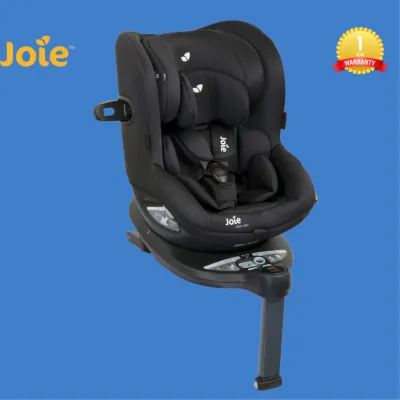
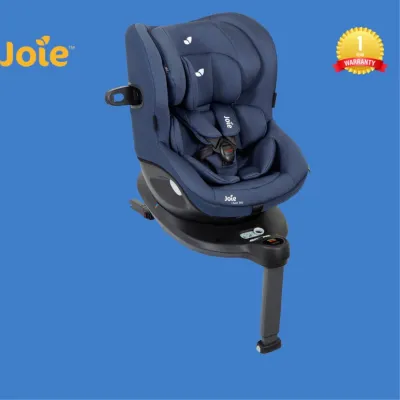
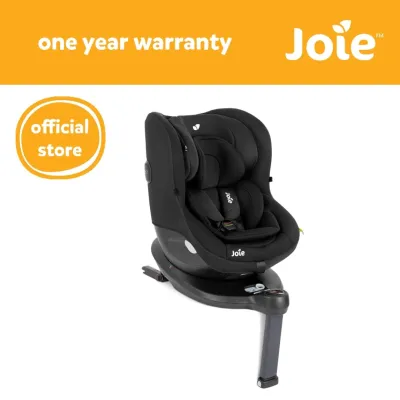
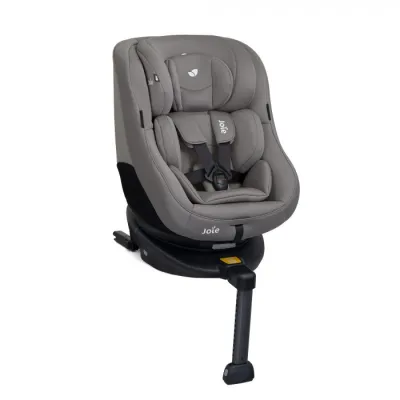
![[Joie] i-Spin 360° Rotation Car Seat 6-Position Grow Together™ Headrest with ISOFIX ECE R129/02 Standard](https://img.lazcdn.com/g/p/dcf87bc88b7dec338e992e8a4fef4ee1.jpg_400x400q80.jpg_.webp)
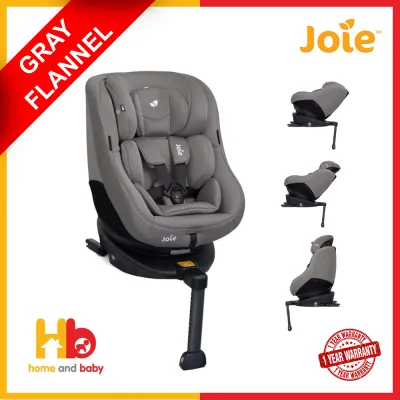
Prices are valid at publication and may change. Please refer to the product page for the latest price.
The height threshold of 1.35 metres is chosen because standard adult seatbelts are designed for individuals of at least this height. When a shorter child uses an adult seatbelt without a booster or proper restraint, the belt can rest across the neck and abdomen rather than the collarbone and pelvis, potentially causing severe internal injuries during a crash. Therefore, a certified child car seat is a legal necessity to ensure the safety harness or vehicle belt is positioned correctly over the child’s strongest skeletal structures.
To be considered legally compliant in Singapore, a child car seat must conform to standards recognized by local traffic authorities. The most widely accepted standards are the United Nations Economic Commission for Europe (UN ECE) regulations, specifically UN ECE R44/04 and the newer, more stringent UN ECE R129 (commonly known as i-Size). Other standards from countries like the United States, Australia, Japan, and Great Britain are also recognized, but European-designed seats like those from Joie almost exclusively follow the UN ECE frameworks.
The distinction between an approved child restraint and an uncertified alternative is critical for safety. Approved seats undergo rigorous dynamic crash testing, including frontal and rear impact assessments, to verify that the shell, harness, and buckle can withstand extreme forces. Uncertified seats, often sold at unusually low prices on unregulated online marketplaces, may lack these structural reinforcements and fail to protect a child during an accident. Using an uncertified seat not only violates local traffic laws but also compromises the fundamental purpose of a child restraint system.
How to Verify Joie Car Seat 360 Compliance Before Purchase
To confirm that a specific Joie 360 rotating car seat is compliant before you make a purchase, your first task is to locate the orange ECE certification label. This label is typically a sticker affixed directly to the plastic shell or the base of the car seat. It serves as official proof that the specific model has passed the required European safety tests. If a seat lacks this orange label, or if the label appears altered, smudged, or torn, you should avoid purchasing it, as its compliance cannot be verified.

When reading the orange label, look closely at the specific standard listed at the top or bottom of the sticker. You will typically see either “ECE R44/04” or “ECE R129” (often accompanied by the “i-Size” logo). An R44/04 label classifies the seat based on the child’s weight groups, whereas an R129 label classifies the seat based on the child’s height range. Ensure that the height or weight limits printed on the label match your child’s current physical measurements, as using a seat outside its certified limits invalidates its compliance and safety.
The orange label also contains an “E” mark inside a circle, followed by a number that indicates the country where the certification was granted (for example, E1 for Germany or E11 for the United Kingdom). Below this mark, you will find a unique approval number and a serial number. These numbers allow you to verify the authenticity of the certification with the manufacturer or regulatory databases, ensuring that the product is not a counterfeit or an uncertified imitation.
In addition to checking the physical label, you should purchase your car seat from authorized local retailers who can provide official compliance documentation upon request. Authorized distributors in Singapore ensure that the models they import are fully certified and suitable for the local market. If you are shopping online or considering a parallel import, ask the seller to provide clear photos of the orange certification sticker and the manufacturer’s user manual. Be cautious of grey-market imports that may lack localized instructions or may not match the safety specifications approved for local distribution.
Finally, inspect the seat for any visible signs of tampering, missing components, or altered serial numbers. A genuine Joie car seat will have clear, molded plastic markings, a clean serial number sticker, and a comprehensive instruction manual in English. If any of these elements are missing, or if the packaging appears compromised, the seat may be a counterfeit or an uncertified variant. Verifying these physical details before completing your purchase is the most reliable way to ensure you are getting a legally compliant and safe product.
Key Safety Features to Check on 360-Degree Car Seats
Rotating car seats rely on complex mechanical bases to allow the seat shell to spin, making it crucial to verify the integrity of these physical safety mechanisms. First, examine the ISOFIX connectors and the support leg or anti-rebound bar. Most compliant 360-degree seats require an ISOFIX installation combined with a floor support leg to manage the rotational forces during a collision. Check that the base features clear, color-coded indicators—usually turning from red to green—to confirm that the ISOFIX latches are securely locked into your vehicle’s anchor points and that the support leg is firmly resting on the vehicle floor.
When evaluating the support leg, you must also check your vehicle’s manual to ensure your car floor can support it. Some vehicles have underfloor storage compartments that are hollow, meaning the support leg cannot safely rest on them unless the compartment is filled with an approved spacer or the vehicle manufacturer explicitly permits it. If your vehicle has hollow floor compartments and you cannot safely use a support leg, you may need to look for alternative certified installation methods or consult a professional installer.
Next, test the 360-degree rotation mechanism itself to ensure it functions correctly and locks securely. The seat must lock firmly into either the rearward-facing or forward-facing position before the vehicle moves. When you rotate the seat into a travel position, you should hear a distinct, solid click, and the visual lock indicators on the base should turn green. Gently shake the seat shell to verify that there is no slipping, wobbling, or partial rotation; the mechanism must remain completely rigid when locked.
Finally, inspect the five-point harness system, which is responsible for keeping your child secured within the protective shell. Pull the harness adjustment strap to ensure the shoulder straps tighten smoothly and evenly across both sides. The buckle should click together securely without requiring excessive force, and the chest pads should remain positioned correctly on the child’s shoulders. Check the back of the seat to ensure the harness straps are routed correctly through the designated slots and are not twisted or frayed, as twisted straps can concentrate impact forces during a sudden stop.
To verify if the harness is tight enough, you can perform the “pinch test” once your child is buckled in. Try to pinch the harness webbing vertically between your thumb and forefinger at the child’s collarbone. If you can pinch any excess webbing, the harness is too loose and must be tightened further. A properly adjusted harness should be snug against the child’s body, allowing only enough space for one or two fingers to fit flat between the harness and the child’s chest.
Installation and Usage Boundaries for Maximum Safety
To maintain compliance and ensure maximum safety, you must strictly adhere to the installation and usage boundaries defined by the manufacturer and international safety standards. For seats certified under the R129 (i-Size) standard, children must remain rear-facing until they are at least 15 months old. However, safety experts and manufacturers strongly recommend keeping your child rear-facing for as long as possible, up to the maximum height or weight limit allowed by the specific Joie model, as rear-facing travel is designed to better protect a developing child’s head, neck, and spine.
The 360-degree rotation feature is designed solely to assist parents with loading and unloading the child while the vehicle is stationary. You must never leave the car seat in a sideways or unlocked position while the vehicle is in motion, even for a short drive. Traveling with a sideways-facing seat completely bypasses the crash-protection structures of the shell and harness, exposing your child to severe risk in an accident. Always double-check that the seat is fully rotated and locked into a certified forward- or rearward-facing position before starting your vehicle’s engine.
You must immediately discontinue using any car seat that has been involved in a moderate to severe collision, even if there is no visible damage on the surface. The extreme forces of a crash can cause hairline fractures in the plastic shell or stretch the internal webbing of the harness, permanently compromising the seat’s structural integrity. Additionally, car seats have a limited lifespan due to the natural degradation of plastic and foam materials over time; check the manufacturer’s documentation or the stamp on the seat shell to identify the expiration date, and replace the seat once this limit is reached.
In tropical climates like Singapore, high temperatures and intense UV exposure can accelerate the aging process of plastic and foam components. If your vehicle is frequently parked in direct sunlight, inspect the car seat regularly for any signs of plastic discoloration, brittleness, or crumbling foam. If you notice any of these signs, or if the seat has reached its recommended lifespan (typically five to ten years from the date of manufacture, depending on the model), it must be replaced immediately to ensure continued compliance and safety.
If you experience difficulty installing the seat securely in your vehicle, or if the indicators do not turn green, stop using the seat immediately and consult the manufacturer’s support team. Not all car seats fit securely in every vehicle model due to variations in seat slope, ISOFIX anchor depth, and floor storage compartments. If you are unsure about the security of your installation, seek assistance from a certified child passenger safety technician in Singapore to verify that the seat is installed correctly and complies with all safety guidelines.
Frequently Asked Questions (FAQ)
Can I use a Joie car seat 360 without ISOFIX in Singapore?
Most Joie 360-degree rotating car seats are designed to be installed exclusively using ISOFIX anchor points combined with a support leg or an anti-rebound bar. This specific installation method is required to stabilize the rotating base and manage the complex forces generated during a collision. Attempting to install a rotating seat using only the vehicle’s three-point seat belt, when the manual specifies ISOFIX, is highly dangerous and violates both manufacturer guidelines and local safety regulations. Always consult the specific user manual for your Joie model to verify its installation requirements, and confirm that your vehicle is equipped with compatible ISOFIX anchors before purchasing.
Are second-hand Joie car seat 360 models safe and compliant?
Purchasing a second-hand Joie 360 car seat carries significant safety risks and is generally not recommended unless you can verify its complete history. A used seat may have been involved in a collision, cleaned with harsh chemicals that degrade the harness strength, or stored in conditions that weaken the plastic shell. Furthermore, second-hand seats often lack the original instruction manuals, registration cards for recall notices, or the orange ECE certification labels required for legal compliance in Singapore. To guarantee that your child’s seat is fully compliant, structurally sound, and covered by a valid manufacturer warranty, it is best to purchase a new model from an authorized retailer.
Does the 360-degree rotation affect the car seat's crash safety?
When a rotating car seat is certified under UN ECE R44/04 or R129 standards, it has undergone rigorous crash testing to ensure that the rotating mechanism does not compromise safety. These tests verify that the locking mechanism can withstand extreme impact forces without releasing. However, this safety guarantee only applies when the seat is fully clicked and locked into either the forward-facing or rearward-facing travel position. If the seat is left unlocked or rotated sideways while driving, the protective structure cannot function as intended, placing your child at extreme risk. Always ensure the visual indicators on the base show green before you begin driving.
Community discussion
Share your experience or ask a question. Comments are reviewed before publication.