
Quick Answer: Who Benefits Most from a Haakaa?
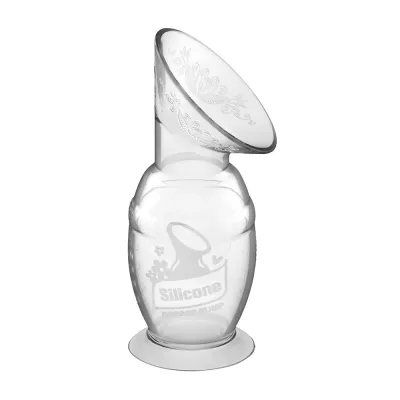
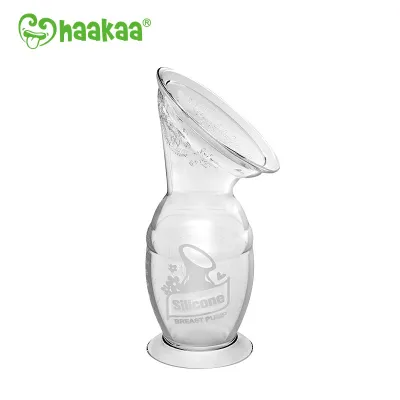
A silicone manual pump, such as the Haakaa, is a simple, one-piece collector that uses gentle, continuous suction to draw out milk passively. It is highly beneficial if you want to catch leaking milk from one breast while your baby nurses on the other, relieve mild engorgement without triggering extra production, or keep a silent, cord-free backup in your diaper bag.
However, this tool is generally a supplementary aid rather than a primary pumping system. If you are exclusively pumping or need to build a milk supply for a baby who cannot nurse directly, it cannot replace the active, multi-phase expression of a double electric or hospital-grade pump.
Signs a Haakaa Breast Pump Matches Your Routine
Determining whether this tool fits your daily life depends on your body’s natural patterns and your feeding setup. Observing how your milk flows during and between feeds will help you decide if a passive collector is a practical addition.
Products mentioned in this guide
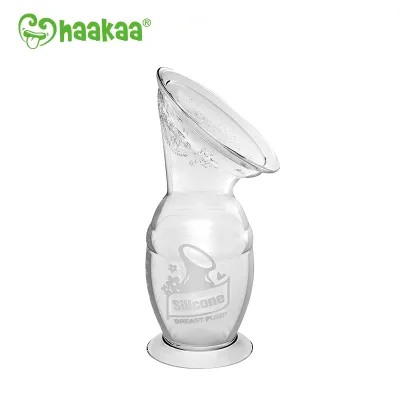
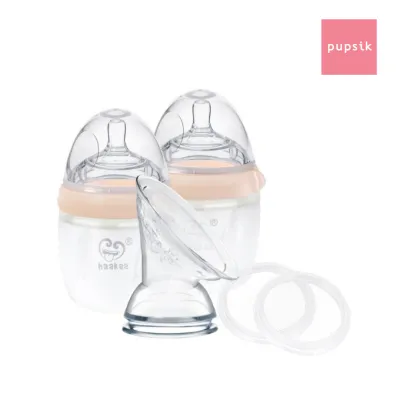
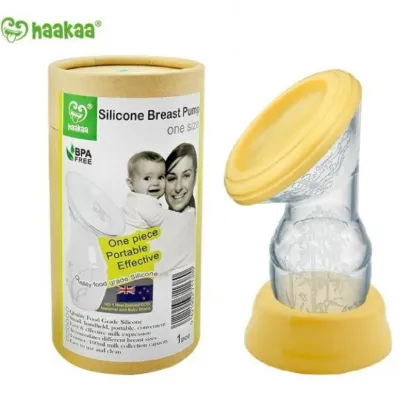
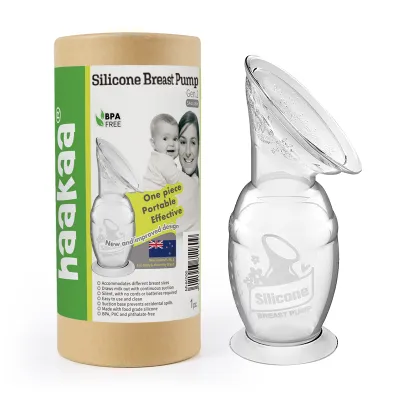
Prices are valid at publication and may change. Please refer to the product page for the latest price.

Catching Let-Down Leaks During Feeds
If you notice significant dripping, leaking, or spraying from the non-nursing breast while your baby is actively feeding, your body has a strong let-down reflex. This milk is often lost to disposable nursing pads or clothing, which can feel wasteful.
A silicone pump attaches to the unused breast using light suction, holding itself in place without complex straps or hands-free gear. It catches and collects this natural overflow passively, allowing you to build a modest milk stash effortlessly during your regular nursing sessions.
Managing Mild Oversupply and Engorgement
When your breasts feel uncomfortably full, tight, or heavy between feeds, you may be experiencing mild oversupply or early engorgement. Using a heavy-duty electric pump in these moments can over-stimulate your breasts, signaling your body to produce even more milk and worsening the cycle.
A silicone collector can be attached for a few minutes just to draw off enough milk to relieve the immediate pressure and soften the breast. It is crucial to use it sparingly for this purpose, as prolonged or frequent suction will still signal your body to increase production.
Needing a Portable Backup for Travel or Work
For parents who commute, travel frequently, or spend time in spaces without reliable power outlets or private pumping rooms, carrying a bulky electric pump is often impractical. The weight of motors, tubing, and power adapters can make packing a challenge.
A single-piece silicone pump is entirely silent, requires no electricity, and fits easily into a small handbag. It serves as an excellent emergency backup to relieve fullness on the go, allowing you to express milk discreetly without worrying about battery life or finding a power source.
When a Silicone Manual Pump Might Not Be Enough
While highly versatile, a passive silicone pump has distinct mechanical limitations that make it unsuitable as a standalone solution for every breastfeeding scenario.
For those who are exclusively pumping, manual suction is rarely sufficient to maintain a robust milk supply over several months. Babies who do not nurse directly require the consistent, rhythmic stimulation of a high-quality electric pump to mimic natural feeding patterns and empty the breasts thoroughly.
If you are struggling with a low milk supply, a passive collector will not provide the active stimulation needed to increase production. Boosting supply typically requires adjustable, multi-phase suction cycles that only electric or hospital-grade pumps can deliver.
Additionally, severe engorgement, deep blockages, or suspected clogged ducts cannot be resolved by gentle manual suction alone. Attempting to clear a painful, deep clog with passive suction may cause unnecessary tissue bruising; these situations require targeted warmth, gentle massage, or professional guidance from a lactation consultant.
Pre-Use Checks: Safety, Fit, and Hygiene
To ensure a comfortable experience and protect your breast health, always perform basic checks before using a silicone pump.
Start by verifying the flange fit against your body. Consult the manufacturer’s sizing guidelines to ensure your nipple sits comfortably in the neck of the pump without rubbing, pinching, or pulling the surrounding breast tissue excessively.
Inspect the physical material before every use. Look closely for any signs of wear, such as tiny tears, cloudiness, sticky residue, or structural degradation in the silicone, and replace the unit immediately if you detect any damage.
Control the suction level carefully by adjusting your squeeze-and-release technique. Squeezing the base of the pump very tightly creates a strong vacuum that can cause pain or tissue damage; always start with a gentle squeeze and release pressure if you feel any discomfort.
Maintain strict hygiene by following the sterilization and washing instructions printed on the product packaging. Because breast milk contains fats and proteins that can build up in crevices, thorough cleaning with warm, soapy water and regular sterilization are essential to prevent bacterial growth.
Your Decision Path: Next Steps for Your Pumping Setup
Your next step depends on your current feeding goals and any challenges you are experiencing.
If you want to save leaking milk during direct nursing or need a quiet, highly portable backup for occasional outings, adding a silicone pump to your routine is a highly practical, low-effort choice.
If you are exclusively pumping, working to increase a low milk supply, or dealing with severe engorgement, hold off on this purchase and focus on securing a reliable double electric pump.
If you experience persistent pain, latching difficulties, or suspect your baby is not getting enough milk, consult a qualified lactation consultant or healthcare professional before buying new equipment to ensure you get the right support.
Frequently Asked Questions (FAQ)
Can I sleep with a silicone breast pump attached?
No, you should not sleep while wearing a silicone breast pump. Leaving a vacuum-suction device attached to your breast for an extended period can cause severe skin irritation, tissue bruising, and overstimulation of your milk supply, so always remove the pump once it has finished collecting milk.
How do I know if the suction is too strong?
If you experience pinching, sharp pain, nipple discoloration, or swelling while using the pump, the suction is too strong. To fix this, gently press the silicone rim to break the vacuum seal, release the pump, and reattach it with a much lighter squeeze to ensure a comfortable fit.
Community discussion
Share your experience or ask a question. Comments are reviewed before publication.