
Trimming a newborn’s nails is often one of the most nerve-wracking tasks for new parents. A baby’s nails grow incredibly fast, sometimes requiring attention within the first few weeks of life to prevent them from scratching their delicate faces. Traditional metal clippers present a constant worry of accidentally clipping tiny fingertips, leading many parents in Singapore to seek gentler alternatives. The Cubble nail trimmer has emerged as a popular choice, promising a stress-free way to file down sharp edges using a rotating, cushioned grinding pad. But is it truly safe for a newborn?
Quick Answer: Is the Cubble Nail Trimmer Safe for Newborns?
Electric baby nail files, including the Cubble nail trimmer, are generally designed to be significantly safer than traditional clippers because they use a filing action rather than a cutting blade. By gently grinding down the nail edge, these devices minimize the risk of painful cuts and skin-pinching accidents. However, no infant grooming tool is completely risk-free, and safety is not an automatic guarantee.
The actual safety of the device depends heavily on the caregiver’s usage, selecting the correct age-appropriate attachment, and observing the baby’s reactions. Parents must verify the specific model’s guidelines and check the manufacturer’s label to ensure the device is explicitly approved for infants under three months of age.
Products mentioned in this guide
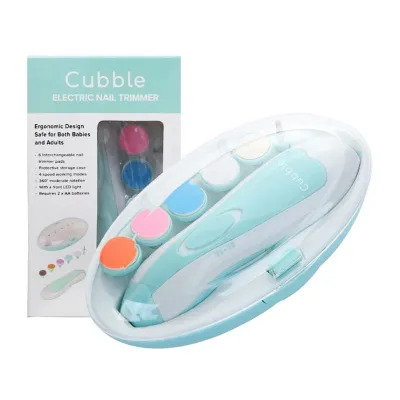
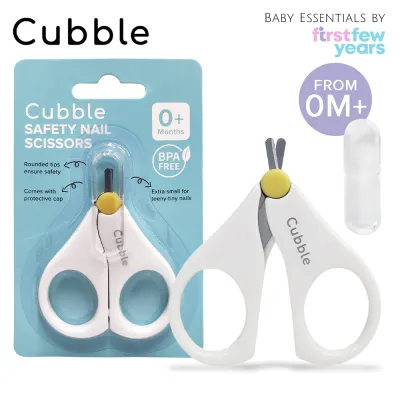
Prices are valid at publication and may change. Please refer to the product page for the latest price.
While electric trimmers drastically reduce the likelihood of sharp cuts, they can still cause discomfort, friction heat, or minor skin irritation if used incorrectly. Therefore, the Cubble nail trimmer can be considered a safe and highly effective tool for newborns, provided you follow the precise operation instructions, use the softest designated pad, and remain highly attentive throughout the process.
Essential Safety Features to Look for in the Cubble Trimmer
When evaluating any electric nail trimmer for a newborn, you must look beyond the brand name and examine the specific design elements that protect delicate infant skin. Newborn nails are exceptionally thin, soft, and closely bonded to the underlying nail bed. A safe device must offer precise control over speed, pressure, and surface texture to ensure that only the nail is filed, leaving the surrounding skin completely unharmed. Let us look closely at the key specifications you need to verify before using the device on your baby.

Motor Speed and Pressure Response
A high-quality electric nail trimmer must feature adjustable speed settings to accommodate different stages of growth and nail thickness. For a newborn, you should always check the product manual to locate the dedicated low-speed mode. High-speed settings generate more friction and make the device harder to control, which can quickly lead to accidental skin contact or over-filing.
The motor’s pressure response is another critical safety mechanism. You should verify whether the trimmer features an automatic stop or slow-down function when excessive pressure is applied. If you press the rotating head too firmly against the baby’s nail or skin, a safe motor should immediately cease spinning or reduce its speed. This prevents the grinding pad from generating friction burns or scraping the baby’s soft fingertips. Before your first session, test this pressure-sensitive stop mechanism on your own skin to understand exactly how much force is required to trigger it.
Pad Design and Material Softness
The grinding heads, or attachment pads, included with electric trimmers are color-coded and textured based on specific age ranges. For newborns aged zero to three months, you must strictly use the softest, finest-grit pad provided in the kit. These pads are designed with an ultra-fine texture that gently wears down soft infant nails without harming the highly sensitive surrounding skin.
You must never use coarser pads meant for older babies, toddlers, or adults on a newborn. Coarser grits are highly abrasive and can easily damage the newborn’s thin nail bed, scrape the cuticle, or cause painful skin grazes. Always refer to the manufacturer’s color-coding chart in the manual to confirm you have attached the correct newborn pad. Additionally, inspect the pad before each use to ensure the abrasive surface is secure and has not started to peel or wear unevenly, which could cause inconsistent filing or unexpected scratches.
Potential Risks and How to Minimize Them
Even with advanced safety features, using an electric trimmer on a newborn carries potential risks that caregivers must actively manage. One primary risk is the generation of friction heat. Because the grinding head spins rapidly, holding the pad in one spot on the tiny nail for too long can quickly build up heat, causing sudden discomfort or pain for your baby. To minimize this, you should keep the trimmer moving in gentle, sweeping motions across the nail rather than holding it static. Limit continuous contact on a single nail to just a few seconds at a time, allowing the nail to cool down before applying the trimmer again.
Another common hazard is skin grazing, which usually occurs if the baby moves suddenly or if the device slips out of your hand. Newborns often have sudden, involuntary startle reflexes that can cause their hands to twitch. To mitigate this risk, you must establish a firm but gentle grip on the baby’s hand, isolating the specific finger you are working on. Press the fleshy pad of the baby’s finger downward and away from the nail edge to expose the free edge fully and keep the skin out of the path of the rotating pad.
It is also a good practice to regularly touch the grinding head with your own finger during the grooming session to ensure it is not overheating. If the device feels warm to your touch, turn it off immediately and allow it to cool. Maintaining a calm, well-lit environment is essential; trying to trim a baby’s nails in a dim room or while they are fussy increases the risk of accidental slips and skin grazing.
Step-by-Step Guide to Safely Trimming a Newborn's Nails
To ensure a smooth and safe grooming experience, it is highly beneficial to follow a structured, step-by-step workflow. By preparing your environment and using the correct techniques, you can turn a potentially stressful task into a calm routine.
Preparation Begin by choosing a time when your baby is calm, well-fed, or relaxed. Singapore’s warm, humid climate means babies often take frequent baths, which naturally softens their nails further; trimming shortly after a bath can make the process even smoother. Ensure the room has excellent lighting, such as near a bright window or under a clear lamp, so you can see the tiny boundaries of the nail clearly. Inspect the electric trimmer, confirm the battery is sufficiently charged so the motor runs smoothly without stalling, and securely attach the designated newborn pad (usually color-coded for 0-3 months).
Positioning Sit in a comfortable position where you can hold your baby securely. Hold the baby’s hand in your non-dominant hand, gently but firmly grasping one finger at a time. Use your thumb to gently pull the skin at the tip of the baby’s finger backward, exposing the entire nail edge. This simple step creates a safe clearance zone between the rotating pad and the baby’s sensitive skin.
Technique Turn the trimmer on to its lowest speed setting. Hold the device at a slight angle against the nail edge. Using light pressure, guide the spinning pad in brief, gentle sweeps from one side of the nail to the other. Avoid filing deep into the corners of the nail, as cutting or filing too close to the sides can lead to painful ingrown nails or localized skin infections. Keep each contact brief, checking your progress frequently.
Post-Trim Inspection Once you have finished filing, turn off the device and run your own clean fingertip over the edge of each of the baby’s nails. Feel for any remaining sharp points, jagged edges, or rough corners. If you detect any rough spots, perform a quick, gentle touch-up with the trimmer or a manual baby file to ensure the nail is completely smooth, preventing the baby from scratching themselves later.
When to Stop and Seek Alternatives
Knowing when to pause or halt the grooming session is just as important as knowing how to use the device. If your baby becomes highly distressed, starts crying, or thrashes their arms, you should stop using the electric trimmer immediately. Forcing the process increases the risk of slipping and causing injury. It is always entirely acceptable to stop the session and try again later when the baby is in a calmer state.
You must also stop using the device immediately if you notice any mechanical issues. If the motor sounds strained, the speed fluctuates unexpectedly, or the device feels unusually warm, turn it off and inspect it. Redness or irritation on the baby’s skin around the nail is another immediate stop signal, indicating that the pad is either too coarse, being pressed too hard, or held in one spot for too long.
During highly sensitive or uncooperative moments, do not hesitate to seek safer, manual alternatives. A gentle, fine-grit glass nail file designed specifically for infants is an excellent, low-risk tool that gives you complete control over speed and pressure. Alternatively, baby-specific manual clippers with rounded safety tips can be used with extreme care. Always prioritize your baby’s comfort and safety over completing the task quickly.
Frequently Asked Questions (FAQ)
To help you navigate common scenarios and concerns, here are answers to some of the most frequent questions parents have about using electric baby nail trimmers.
Can I use the Cubble trimmer while my newborn is sleeping?
Trimming your baby’s nails while they are asleep is a popular strategy because the baby is still, reducing the risk of sudden movements and slips. However, this approach does have minor trade-offs. While a sleeping baby is easier to manage, they cannot signal if they feel discomfort or friction heat, and a sudden startle reflex could still occur. If you choose to trim during sleep, ensure the baby is in a deep sleep phase, use the lowest speed setting, and maintain a highly cautious approach. Many pediatricians recommend trimming when the baby is awake, calm, and distracted, as this allows you to monitor their immediate reactions and ensure they are completely comfortable throughout the process.
What should I do if the trimmer accidentally grazes my baby's skin?
If the trimmer accidentally grazes your baby’s skin, you must stop the device immediately and turn it off to prevent further contact. Gently clean the affected area with plain, lukewarm water and inspect the skin closely. If the skin is merely red or slightly irritated, keep the area clean and dry, and monitor it for any increased redness, swelling, or signs of discomfort. If the skin breaks, bleeds, or shows any signs of infection, you should consult a pediatrician or healthcare professional for guidance. Avoid applying harsh chemicals, alcohol, or unprescribed ointments to a newborn’s highly sensitive skin.
Community discussion
Share your experience or ask a question. Comments are reviewed before publication.