
When shopping for a baby crib in Singapore, safety is the paramount concern for parents. While the Beblum cot is a popular choice in local nursery showrooms, determining its compliance with Singapore safety standards requires a systematic approach to verification. Because safety certifications are model-specific and subject to update, parents should not rely on brand reputation alone. Instead, verifying the exact certification documents, physical dimensions, and assembly integrity of your chosen Beblum model is the only reliable way to ensure a secure sleeping environment for your infant.
Choosing nursery furniture involves navigating a sea of marketing claims, product specifications, and safety jargon. In Singapore’s bustling baby product market, parents are often presented with various convertible cot designs that promise longevity and multi-functional use. However, a cot’s ability to transform into a playpen, toddler bed, or study table should never overshadow its primary function: providing a secure, hazard-free space for unsupervised sleep.
Understanding Singapore Safety Standards for Baby Cots
In Singapore, consumer products, including children’s furniture, are overseen by the Consumer Product Safety Office (CPSO) under Enterprise Singapore. While there isn’t a single unique “Singapore-only” manufacturing standard for baby cots, the CPSO recognizes established international safety standards. This regulatory framework ensures that products sold in the local market do not pose unreasonable risks of injury or hazard to infants.
Products mentioned in this guide
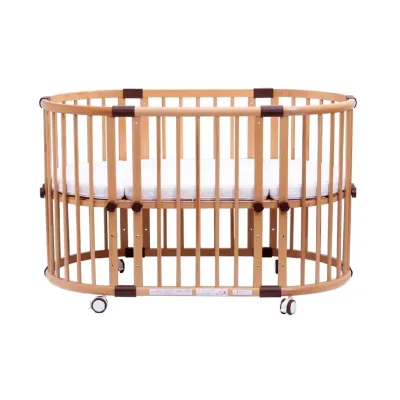
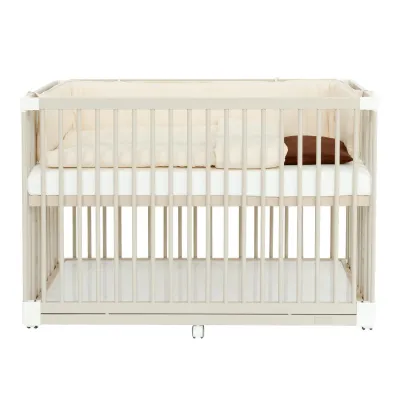

Prices are valid at publication and may change. Please refer to the product page for the latest price.
The most common international benchmarks you will encounter in Singapore retail spaces are the European standard (EN 716) and the American standard (ASTM F1169). These standards dictate rigorous testing for structural integrity, non-toxic materials, and hazard prevention. When a manufacturer states that their cot complies with these standards, it means the design has undergone independent laboratory testing to withstand specific forces, impacts, and environmental conditions.
Slat spacing is one of the most critical physical dimensions regulated by these safety standards. The distance between the vertical slats of the cot must be between 45 mm and 65 mm. If the gaps are too narrow, a baby’s limbs can get pinched; if they are too wide, there is a severe risk of head entrapment. Parents should physically measure these gaps if they have any doubts about a cot’s design.
Drop-side mechanisms, which allow one side of the cot to be lowered, are subject to strict safety rules. If a cot features a drop-side rail, it must have a secure, double-action locking system that cannot be accidentally released by a child from the inside. Many modern standards require highly secure, heavy-duty locking mechanisms to prevent accidental collapse.
Structural stability and depth are also tightly regulated. The distance from the top of the mattress base to the top of the cot frame must be deep enough to prevent a mobile baby from climbing or falling out. Typically, this requires a minimum depth of 500 mm when the mattress base is in its lowest position. Additionally, the materials used, including paints and varnishes, must be certified non-toxic to prevent chemical exposure when teething babies chew on the cot rails.
How to Verify Beblum Cot Certifications and Compliance
To confirm if a specific Beblum cot model complies with these safety benchmarks, you must perform a direct verification process rather than assuming brand-wide compliance. Because product lines evolve and manufacturing standards can change, taking a proactive approach to verification ensures your peace of mind.

Begin by inspecting the physical product packaging, the user manual, and the cot frame itself. Compliant cots typically feature a permanent stamp or label indicating the specific standard they meet, such as “EN 716” or “ASTM F1169”. This label is often located on the underside of the mattress base or on the inner side of the headboard. If you are viewing a display unit in a Singapore showroom, ask the staff to help you locate this physical mark.
Next, request official test reports or compliance certificates. When purchasing from authorized distributors or local baby boutiques in Singapore, ask the sales representative or customer service team for the official certificate of compliance. A reputable brand or distributor should be able to provide documentation from an independent testing laboratory (such as TÜV SÜD, SGS, or Intertek) verifying that the specific model has passed safety testing. If a retailer is hesitant or unable to provide these documents, it is a signal to proceed with caution.
Pay close attention to the exact model number. Brands often produce multiple variations of a cot, such as convertible multi-in-one models, travel cots, or traditional wooden cribs. A safety certification awarded to one specific convertible model does not automatically apply to a different travel cot model under the same brand name. Always match the certification document directly to the model number printed on your purchase receipt, product box, or the manufacturer’s official website.
Additionally, verify the source of your purchase. Buying from authorized local retailers in Singapore ensures that the product is imported through official channels that comply with local consumer protection laws. Parallel imports or products purchased from unverified online marketplaces may not meet the same safety specifications or may lack the necessary documentation and local warranty support.
Essential Safety Checks When Setting Up Any Baby Cot
Even if a cot possesses the highest safety certifications, improper setup or incorrect accessories can introduce severe hazards. Ensuring a safe sleep environment requires ongoing vigilance and correct assembly.
The mattress fit is critical. There should be no gap wider than 30 mm (about two fingers) between the edge of the mattress and the cot sides. If a gap is too large, a baby can roll over and become trapped, posing a suffocation risk. Always measure the internal dimensions of the cot before purchasing a mattress, especially since European, American, and Asian cot sizes can vary slightly. Never use a mattress that is too small or too thick, as a mattress that is too high reduces the effective barrier height of the cot sides.
Regularly inspect all hardware, joints, and moving parts. During assembly, follow the manufacturer’s instructions precisely, ensuring every screw, bolt, and bracket is tightened securely. Over time, the vibrations from a baby moving or the cot being shifted can loosen these fasteners. Establish a monthly routine to check and re-tighten all hardware, and inspect wooden parts for any splintering, cracks, or peeling paint.
Maintain a completely clear sleep environment. The Ministry of Health and pediatric experts globally recommend that a baby’s sleep space remain free of loose bedding, pillows, bumpers, quilts, and soft toys. While these items are often sold as nursery accessories, they present significant suffocation and strangulation hazards. A firm, flat mattress covered by a tight-fitting sheet is all that is required for safe sleep. Avoid hanging heavy toys or mobiles directly over the cot once your baby can sit up or reach them.
Positioning the cot within the nursery is another vital safety consideration. Keep the cot well away from windows, curtain cords, electrical outlets, and baby monitor cables, which can pose strangulation or fall hazards. In Singapore’s warm climate, ensure the cot is positioned away from direct air conditioning drafts and direct sunlight, maintaining a comfortable and stable temperature for your baby.
When to Stop Using a Cot and Transition to a Toddler Bed
A cot is only safe as long as it matches your child’s physical development and size. Parents must actively monitor developmental milestones to determine when the cot is no longer a secure environment.
The primary indicator for transition is when your child shows signs of being able to climb out of the cot, or when their height reaches a point where the top rail is below their chest level when standing. Typically, once a child reaches approximately 89 cm in height, or when they can actively attempt to climb over the side rails, the risk of falls increases dramatically. At this stage, the protective barrier of the cot is no longer sufficient, and transitioning to a toddler bed or a low floor mattress is necessary.
Structural wear and tear can also dictate an early transition. If the cot’s joints begin to wobble, or if convertible mechanisms show signs of fatigue or damage that cannot be repaired with original manufacturer parts, stop using the cot immediately. Singapore’s high humidity can sometimes affect wooden furniture over long periods, making regular structural checks even more important.
Always consult the specific user manual for your model’s maximum weight and height limits. Multi-functional cots that convert into toddler beds or playpens have distinct weight limits for each configuration. Never exceed these limits, as overloading the structure can lead to sudden joint failure or collapse. Keeping a close eye on these developmental and physical limits ensures your child remains safe throughout their early years.
Frequently Asked Questions (FAQ)
Does a higher price guarantee a safer baby cot?
No, a higher retail price does not automatically guarantee a safer baby cot. While premium cots may feature high-end materials, aesthetic finishes, or versatile conversion options, safety is strictly determined by compliance with recognized international standards. A moderately priced cot that is fully certified to EN 716 or ASTM F1169 standards is fundamentally safer than an expensive, designer cot that lacks independent safety testing. Always prioritize verified certification marks and structural checks over price tags or brand prestige.
Are second-hand Beblum cots safe to use?
Using a second-hand cot carries inherent risks and requires extreme caution. Over time, wooden components can warp, plastic parts can become brittle in Singapore’s humid climate, and critical hardware can be lost or replaced with non-standard screws. If you choose to use a pre-owned cot, ensure you obtain the original instruction manual and verify that every single piece of original hardware is present and undamaged. Inspect the frame thoroughly for structural cracks, loose joints, or signs of DIY repairs, and never use a second-hand mattress due to hygiene and structural degradation risks.
What should I do if my cot lacks a visible safety certification label?
If you cannot find a visible safety certification label on the cot frame, packaging, or manual, do not assume it is safe. Contact the manufacturer or the authorized retailer in Singapore directly to request the official compliance certificates and test reports for that specific model. If the retailer cannot provide independent verification of safety compliance, or if you suspect the product does not meet basic safety standards, do not use the cot. It is safer to return the product or choose an alternative model with fully transparent, verifiable safety credentials.

Community discussion
Share your experience or ask a question. Comments are reviewed before publication.