
Is the BabyBjörn Travel Cot Considered Safe?
The BabyBjörn travel cot is widely recognized globally for its safety-focused engineering, robust structural integrity, and high-quality materials. However, no travel cot can be deemed completely safe in a vacuum. A travel cot’s actual safety is a dynamic relationship between the product’s physical design and how you assemble, position, and maintain it. While the brand is synonymous with premium nursery gear, safety ultimately depends on your adherence to the manufacturer’s specific guidelines, weight limits, and safe sleep practices.
When evaluating any portable crib, it is essential to understand that portable sleep environments have different structural properties than standard wood or metal home cribs. Portable models rely on folding joints, fabric tension, and lightweight frames to remain mobile. Consequently, safety is not a static certification but an active, daily practice that you must maintain. By combining the engineered safety features of the cot with strict adherence to safe sleep protocols, you can create a highly secure sleep environment for your child while traveling.
Safety Standards and Certifications to Verify
Before purchasing any portable crib, you must verify that the specific model complies with recognized international safety standards. These standards are established by consumer protection agencies to ensure that folding cots can withstand physical stress, resist tipping, and prevent entrapment hazards. For travel cots, the most critical standards to look for include ASTM F406 (the US standard for non-full-size baby cribs and play yards) and EN 716 (the European safety standard for children’s cots and folding cots for domestic use).
Products mentioned in this guide
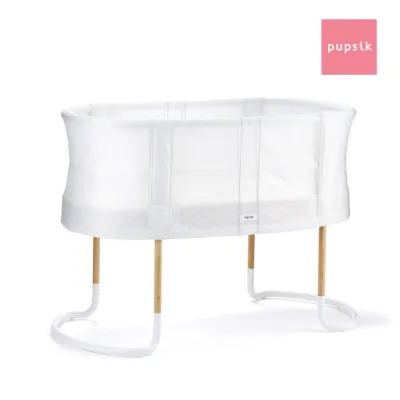
![[10 Yr Local Warranty] BabyBjorn Cradle - Bassinet (White Mesh)](https://img.lazcdn.com/g/p/5109bfcd04c3d8737d42aec25aba2475.jpg_400x400q80.jpg_.webp)
Prices are valid at publication and may change. Please refer to the product page for the latest price.

These rigorous testing protocols evaluate several safety-critical dimensions:
- Structural Integrity: Testing the frame's ability to support dynamic weight without collapsing or bending.
- Entrapment Prevention: Ensuring there are no gaps between the mattress and the fabric sides where a baby's head or limbs could become trapped.
- Material Safety: Verifying that all fabrics, plastics, and metals are free from harmful levels of lead, phthalates, and flame retardants.
- Locking Mechanisms: Confirming that folding joints cannot be accidentally disengaged by a child inside or outside the cot.
To ensure your unit is compliant, do not rely solely on marketing claims. Physically inspect the product packaging, the fabric labels sewn onto the cot itself, and the user manual for official certification marks such as the JPMA (Juvenile Products Manufacturers Association) seal or the CE mark. If you are purchasing or accepting a second-hand unit, you must verify that the specific manufacturing batch has not been subject to any active safety recalls. You can check this by cross-referencing the model number and manufacture date—found on a sticker on the underside of the cot’s base—with databases maintained by international consumer safety agencies or local regulators like Enterprise Singapore.
Design Features and Safety Considerations
An analytical look at the physical design of the BabyBjörn travel cot reveals how specific engineering choices directly impact infant safety. Understanding these features allows you to perform more effective safety checks during daily setup.
Mattress Fit and Firmness
One of the most critical safety aspects of any infant sleep environment is the mattress. The mattress supplied with this travel cot is thin, firm, and designed to lie completely flat on the floor. This design eliminates the risk of a sagging base, which is a common hazard in traditional travel cots with elevated mattress platforms. The mattress features built-in base plates that secure directly to the bottom of the fabric cot, ensuring it cannot slide or create dangerous gaps. You must never add an aftermarket mattress, mattress topper, or extra blankets underneath the mattress pad, as doing so introduces a severe risk of suffocation and entrapment.
Mesh Sides and Breathability
The walls of the cot are constructed from a fine, lightweight mesh fabric that extends all the way to the base. This design ensures continuous airflow, which is especially vital in warm, humid climates like Singapore to prevent your baby from overheating. The mesh is woven tightly to prevent tiny fingers or toes from getting caught, and it allows you to maintain a clear line of sight to your sleeping baby from any angle. Before each use, you should run your hands along the mesh panels to check for any snags, tears, or loose threads that could compromise the fabric’s integrity.
Folding and Locking Mechanism
The structural frame features legs that automatically fold out and lock into place when the cot is unfolded. Unlike many traditional play yards that require a complex sequence of top-rail locking, this model’s stability relies on the outward tension of its legs. However, you must physically verify that all four legs are fully extended and securely clicked into their joints before placing your baby inside. Gently shake the frame after setup to confirm that the locking mechanisms are fully engaged and that there is no structural play or wobbling.
Stability and Base
Because the mattress sits directly on the floor, the cot has an exceptionally low center of gravity. The frame is designed with a trapezoidal shape, meaning the base is wider than the top opening. This geometry makes it virtually impossible for an infant to tip the cot over, even if they roll forcefully, lean against the mesh sides, or attempt to pull themselves up to a standing position. Nevertheless, you should always set up the cot on a flat, level floor surface to ensure this stability is fully realized.
Safe Usage Guidelines and Risk Reduction
Even the most highly certified travel cot requires correct usage to maintain a safe sleep environment. By establishing a consistent setup routine, you can significantly reduce the risk of sleep-related accidents.
Maintain a Bare Sleep Environment Always follow standard safe sleep guidelines by placing your baby on their back to sleep. The sleep surface must remain completely bare. Do not place pillows, loose blankets, quilts, bumper pads, soft toys, or sleep positioners inside the cot. In Singapore’s warm climate, a lightweight, well-fitting sleep sack is a much safer alternative to loose blankets for keeping your baby comfortable.
Respect Weight and Developmental Limits Always refer to the official user manual to verify the maximum weight and height limits for your specific model. While the structural limit often accommodates children up to approximately 13 kg, developmental milestones are a more critical metric. Once your child begins to show signs of pulling themselves up to a standing position, kneeling, or attempting to climb the mesh walls, they have outgrown the safe limits of the travel cot, regardless of their physical weight.
Perform a Pre-Use Inspection Make it a habit to conduct a quick physical and visual inspection before every use. Ensure the fabric cover is zipped securely around the frame, the corner straps are anchored properly, and the mattress is lying completely flat without any ripples. If you notice any bent poles, broken zippers, or torn fabric, discontinue use immediately and contact the manufacturer for authorized replacement parts.
Choose the Right Placement When setting up the travel cot in a hotel room, relative’s home, or your own house, evaluate the surrounding environment carefully. Position the cot well away from windows, curtain or blind cords, electrical outlets, baby monitor cables, heaters, and heavy furniture. A curious infant can easily reach through the mesh or lean over the top rail to grab nearby objects, posing a severe strangulation or tipping hazard.
When to Stop Using the Travel Cot
Knowing when to transition your child out of a travel cot is essential for preventing falls and structural failures. You must discontinue use immediately if any of the following conditions are met:
- Milestone Reached: Your child reaches the manufacturer's stated maximum weight limit (typically 13 kg) or height limit.
- Climbing Attempts: Your child begins attempting to climb out of the cot, or can easily chin the top rail when standing.
- Structural Damage: You observe torn mesh panels, broken zippers, loose snaps, bent metal frame poles, or compromised locking joints.
- Mattress Wear: The mattress pad becomes soft, warped, or no longer fits snugly against the bottom corners of the fabric cover.
If you encounter any conflicting instructions, missing components, or structural doubts, do not attempt to patch the cot with DIY solutions. Stop using the product and consult the manufacturer’s customer service or a qualified nursery furniture professional.
Frequently Asked Questions (FAQ)
Can I add a thicker mattress to the travel cot for extra comfort?
No, you must never add a thicker or aftermarket mattress to the travel cot. Travel cots are designed with flexible fabric sides. If you place a thicker or softer mattress inside, it can push against the flexible mesh, creating a dangerous gap between the mattress edge and the cot wall. A baby can easily roll into this gap and become trapped, leading to a high risk of suffocation. The firm, thin mattress pad provided by the manufacturer is specifically engineered to maintain the correct safety clearances and structural tension required to keep your baby safe.
Is it safe for a newborn to sleep in a travel cot?
Yes, it is safe for a newborn to sleep in a travel cot, provided that the specific model’s instruction manual explicitly approves use from birth and you follow all safe sleep guidelines. The sleep surface must be firm, flat, and completely free of loose bedding, pillows, or soft toys. Because newborns cannot regulate their body temperature efficiently, ensure the cot is placed in a well-ventilated room with adequate airflow. If you have any concerns regarding the firmness of the sleep surface or your newborn’s specific sleep health, consult a qualified pediatrician before use.

Community discussion
Share your experience or ask a question. Comments are reviewed before publication.