
Using a dedicated rinsing tool like a baby shampoo cup can make bath time significantly easier, but determining if it is safe for a newborn requires looking closely at the design, materials, and your handling technique. Newborns have highly sensitive skin, developing neck muscles, and open fontanelles (soft spots) on their heads. While a shampoo cup is generally safe when used correctly, parents must verify the specific product’s age suitability, material composition, and structural design before introducing it to a newborn’s bath routine.
In warm, tropical climates like Singapore, daily baths are a common routine to keep babies cool and clean, making bath safety a daily priority. Understanding how to evaluate these tools and implement proper rinsing techniques ensures a comfortable, tear-free experience for your little one.
Evaluating the Avent Shampoo Cup for Newborns
First, examine the manufacturer’s packaging and labels. Look for explicit age recommendations. Some rinsing cups are designed for older infants who can sit up independently, while others feature soft, contoured edges suitable for younger babies. Check for material safety labels, ensuring the plastic is free from harmful chemicals like BPA, phthalates, and PVC. While reviewing the packaging, look for safety certifications or compliance marks relevant to baby products in your region. Since safety standards are updated periodically, verify that the product meets current local consumer goods regulations before use.
Products mentioned in this guide
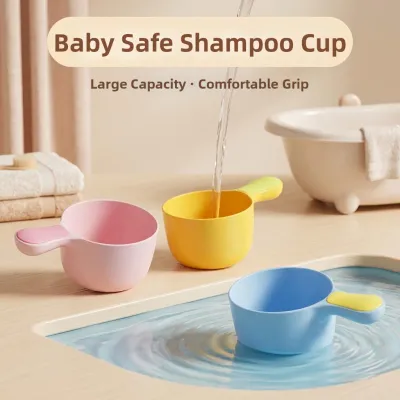
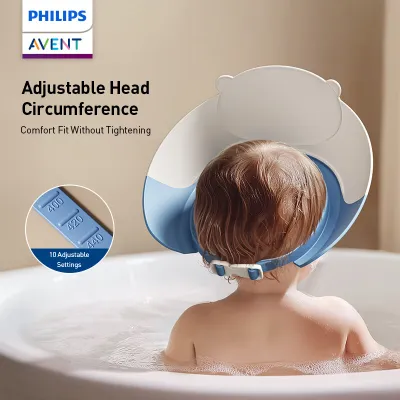
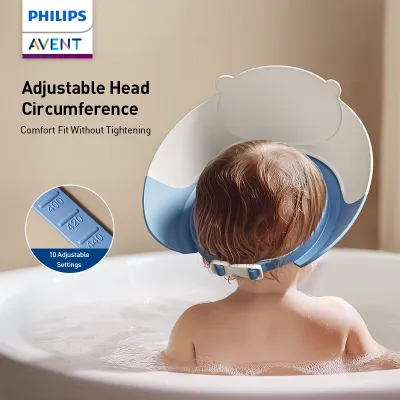
Prices are valid at publication and may change. Please refer to the product page for the latest price.
Next, inspect the rim of the cup. A newborn’s skull is not yet fully fused, leaving delicate soft spots called fontanelles. The rim of any rinsing cup used on a newborn must be exceptionally soft, flexible, and contoured. If the cup has a rigid plastic edge, it can easily scratch or apply unsafe pressure to the baby’s head. Press your thumb against the rim to test its pliability; it should conform easily to pressure without leaving sharp indentations.
Finally, evaluate the ergonomics of the handle and the overall capacity of the cup. When bathing a newborn, you will likely have only one hand free, as your other hand must constantly support the baby’s head and neck. The cup’s handle must offer a secure, non-slip grip, even when wet or soapy. Additionally, a cup with a moderate capacity is preferable to a very large one. A cup that holds too much water becomes heavy and unwieldy, which can lead to accidental drops. Opt for a cup that holds a manageable volume of water, allowing you to perform multiple light rinses rather than one heavy pour.
Safe Usage Techniques for Baby Hair Rinsing
Bathing a newborn requires a methodical approach to ensure water and soap do not enter their eyes, nose, or ears. Before you even lift the shampoo cup, ensure your baby is positioned securely. In a baby tub, support the newborn’s head and neck with your non-dominant arm, cradling their upper body so they feel secure and cannot slip downward into the water.

To rinse the hair, gently tilt the baby’s head back slightly. This natural tilt helps direct the flow of water away from the face. Place the palm of your supporting hand across the baby’s forehead, using your fingers to form a gentle protective shield. This physical barrier blocks stray water droplets and shampoo suds from running down into their eyes and nose.
Ensure the water inside the rinsing cup is the same temperature as the bathwater. It is easy to accidentally scoop up water that has cooled down or water directly from a tap that might be too hot. Always test the water in the cup on your wrist before pouring it over your baby’s head.
Hold the shampoo cup in your free hand and begin pouring water slowly. Always start from the back of the head and move forward toward the hairline, rather than pouring directly over the top of the head. Control the flow rate by tilting the cup gradually. A slow, steady stream is far less startling to a newborn than a sudden rush of water, which can trigger the Moro (startle) reflex and cause sudden, unsafe movements in the tub. In addition to shielding the eyes, be mindful of the ears. Avoid pouring water directly over the sides of the head where it can easily enter the ear canal. Keep the stream centered and flowing backward to minimize the risk of ear discomfort.
General Newborn Bath Safety Precautions
Creating a safe bathing environment goes far beyond the tools you use. Before placing your baby in the water, you must verify the water temperature. Newborn skin is extremely thin and burns easily. Use a reliable digital bath thermometer to ensure the water is comfortably warm, ideally between 37°C and 38°C. If you do not have a thermometer, test the water using the inside of your wrist or your elbow, as these areas are far more sensitive to heat than your fingertips.
Prepare the physical space to prevent slips and falls. If you are bathing your baby in a standard bathroom or on a countertop, ensure the tub is placed on a stable, slip-resistant surface. Lay down a non-slip mat underneath the baby tub if necessary. Gather all essential supplies—such as mild baby wash, towels, clean diapers, and the rinsing cup—before you begin. Everything must be within arm’s reach so you never have to step away from the bathing area.
In many homes, bathrooms can have slippery tiled floors. Placing a dry, absorbent bath mat outside the tub area prevents you from slipping while lifting your baby out. Ensure the room is free from drafts, as newborns lose body heat rapidly when wet. Closing windows and doors beforehand helps maintain a warm, comfortable ambient temperature.
The most critical rule of newborn bath safety is maintaining constant, uninterrupted physical contact. Never leave your baby unattended in or near water, even for a split second. Drowning can occur silently in as little as a few centimeters of water. If the phone rings or someone knocks on the door, ignore it, or wrap your baby in a towel and take them with you. Your hands must remain on or immediately next to the baby throughout the entire process.
When to Stop or Adjust the Bathing Routine
Paying close attention to your baby’s behavioral cues is essential during bath time. If your newborn begins to cry excessively, arch their back, or show signs of shivering, pause the bath immediately. Shivering indicates that the water or room temperature has dropped too low, while intense crying may stem from overstimulation or fear. Wrap the baby in a warm towel and soothe them before deciding whether to continue.
Regularly inspect your bath accessories for wear and tear. Over time, plastic cups can develop hairline cracks or rough, jagged edges due to accidental drops or exposure to hot water. These imperfections can easily scratch a newborn’s sensitive skin. Furthermore, the humid environment of a bathroom encourages mold and mildew growth in tight crevices or around rubberized rims. If you notice any structural damage or persistent discoloration, discontinue use and replace the cup immediately.
Monitor your baby’s skin during and after the bath. If you notice localized redness, dry patches, or small bumps along the hairline where the cup’s rim rested, it could indicate physical friction or a mild allergic reaction to the materials or the shampoo. Sometimes, skin irritation is not caused by the cup itself but by the combination of friction and harsh bath products. If you notice redness, consider switching to a fragrance-free, hypoallergenic baby wash. Always consult a healthcare professional if skin irritation, rashes, or cradle cap symptoms worsen, as they can provide tailored medical advice.
Frequently Asked Questions (FAQ)
Can I use a regular household cup instead of a dedicated baby shampoo cup?
While it may be tempting to grab a standard plastic kitchen cup, dedicated baby rinsing cups offer distinct safety advantages. Standard household cups typically feature rigid, hard plastic rims that do not conform to a baby’s rounded forehead, increasing the risk of water leaking into their eyes or causing physical discomfort. Furthermore, household cups lack the specialized ergonomic handles designed for wet, soapy hands, making them much easier to drop during a bath. Investing in a dedicated baby cup with a soft, flexible edge ensures a safer, more controlled rinsing experience.
How do I clean and maintain the baby shampoo cup to prevent mold?
Proper hygiene is vital to prevent mold and bacteria from colonizing your baby’s bath toys and tools. After every bath, thoroughly rinse the shampoo cup with clean, warm water to remove any lingering soap residue. Shake off excess water and place the cup in a well-ventilated area to air-dry completely. Avoid leaving it inside the damp baby tub or in a closed cabinet. If the cup has detachable parts or a rubberized rim, disassemble these components weekly to clean hidden moisture traps where mold is most likely to develop.
Community discussion
Share your experience or ask a question. Comments are reviewed before publication.