
Introducing babies to swimming in Singapore is a popular year-round activity, thanks to our tropical climate and the abundance of condominium and public pools. However, swimming pool water contains chlorine, bromine, and other disinfectants that can leave a persistent residue on delicate skin and hair. This leads many parents to wonder if they need a specialized swim shampoo to protect their infants, and whether these products are safe for babies.
To make an informed decision, parents must understand the unique needs of infant skin, how swim-specific cleansers are formulated, and how bathing products are regulated in Singapore. While some products are marketed specifically for post-swim care, not all of them are suitable for a baby’s highly sensitive skin barrier. Ensuring safety requires looking beyond marketing claims and examining the actual ingredients and regulatory compliance of any product you introduce to your child’s bath routine.
What Is Swim Shampoo and Do Babies Actually Need It?
Swim shampoos and body washes are specialized cleansing products formulated to neutralize and remove chlorine, bromine, salt, and hard water minerals from the hair and skin. Standard water rinsing or regular soaps often fail to fully break down the chemical bonds that chlorine forms with hair and skin proteins, leaving behind a dry, chemical residue. Swim shampoos typically contain chelating agents—ingredients that bind to minerals and chlorine molecules—allowing them to be easily rinsed away and eliminating the distinct “pool smell.”
Products mentioned in this guide
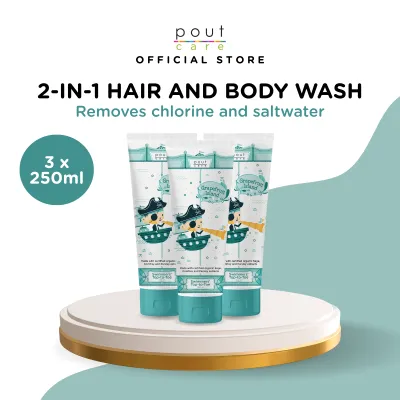
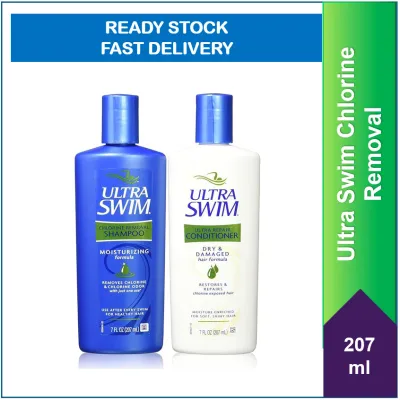

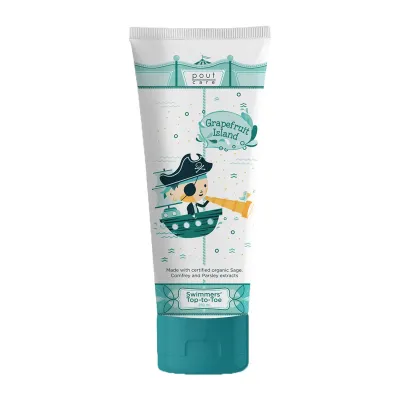
Prices are valid at publication and may change. Please refer to the product page for the latest price.
While these products serve a clear purpose for frequent adult swimmers, the reality of infant swimming is quite different. Babies typically spend very little time in swimming pools, usually limited to 15 to 30 minutes per session to prevent chilling and fatigue. Furthermore, infants have very fine, sparse hair compared to adults. This means the accumulation of chlorine on an infant’s hair is minimal, making heavy-duty clarifying formulas largely unnecessary for the average baby.
For occasional pool visits, such as a weekend splash or a casual family swim, a thorough rinse with clean, fresh water immediately after exiting the pool followed by a gentle, everyday baby wash is usually more than sufficient. However, if your infant participates in regular weekly swim classes and has thicker hair, a dedicated, baby-safe swim cleanser may be warranted to prevent the gradual build-up of chlorine and the dry, straw-like texture it can cause. The decision should always be based on your baby’s individual hair density, swimming frequency, and skin sensitivity.
Is Swim Shampoo Safe for Delicate Infant Skin and Hair?
To determine if a swim shampoo is safe for your baby, you must look closely at how these specialized formulas interact with the infant skin barrier. An infant’s skin is structurally different from adult skin; it is up to 30% thinner, more permeable, and loses moisture at a much faster rate. Because the skin’s outer protective layer (the stratum corneum) is still developing, babies are highly susceptible to irritation, dryness, and contact dermatitis from harsh chemicals.

Many adult or general-family swim shampoos rely on strong surfactants and heavy chelating agents to strip away pool chemicals. While effective for adults, these harsh ingredients can quickly compromise an infant’s delicate skin barrier, stripping away natural lipids and leaving the skin vulnerable to severe dryness, redness, and itching. Even if a product is marketed as “gentle” or “for the whole family,” it may still contain concentrations of cleansing agents that are far too aggressive for a baby’s fragile acid mantle.
Additionally, the eyes of an infant are highly sensitive, and adult formulations lack the specialized tear-free chemistry required to prevent painful eye irritation. A swim product is only safe for infants if it has been explicitly formulated and tested for babies. A truly baby-safe swim shampoo must be pH-balanced (typically around 5.5 to match the skin’s natural pH), tear-free, and completely free from harsh stripping agents. Parents should never use adult swim shampoos on infants, and should always check the manufacturer’s packaging for explicit age-suitability instructions before application.
What HSA Regulation Means for Baby Bath Products in Singapore
Navigating the marketing claims of baby bath products in Singapore requires an understanding of how these items are regulated locally. In Singapore, the Health Sciences Authority (HSA) regulates baby bathing and hair care products under the cosmetic product framework, which aligns with the ASEAN Cosmetic Directive (ACD). A common misconception among parents is that a product sold locally with an “HSA” claim has undergone rigorous laboratory testing and received an official safety “certification” or “approval” seal from the government.
In reality, the HSA does not issue “HSA Certified” or “HSA Approved” certificates for cosmetic products, including baby shampoos. Instead, the regulatory framework relies on a product notification system. Before a company can sell a cosmetic product in Singapore, they must submit a product notification to the HSA. This notification is a declaration by the manufacturer, importer, or local distributor that the product complies with safety standards, contains permitted ingredients within safe limits, and is manufactured under good practices. It is not an endorsement of safety, quality, or efficacy by the HSA.
Under this system, the local company is legally responsible for ensuring the product’s safety and must maintain a Product Information File (PIF) containing safety assessments and ingredient data, which the HSA can audit at any time. Parents should be highly skeptical of brands or online marketplace listings that display self-made “HSA Approved” badges, as these are misleading marketing tactics. To verify whether a baby swim shampoo is legally notified and compliant, parents should look for the importer or distributor details on the packaging. You can also cross-check the product’s status by searching the database of notified cosmetic products on the official HSA online portal, which ensures the product is legally registered and has not been flagged or recalled.
How to Read Labels: Ingredients to Seek and Avoid
Because marketing terms can be ambiguous, reading the ingredient list is the most reliable way to evaluate the safety of any baby bathing product. When choosing a post-swim cleanser for your infant, prioritize products that contain gentle, plant-derived surfactants. Ingredients such as Coco-Glucoside, Decyl Glucoside, and Lauryl Glucoside clean the skin and hair effectively without stripping away the essential lipids that maintain the skin barrier. Additionally, look for soothing, hydrating agents like colloidal oatmeal (Avena Sativa), aloe vera leaf juice, calendula extract, and glycerin, which help calm chlorine-exposed skin and restore lost moisture.
Conversely, there are several ingredients you should actively avoid or scrutinize heavily in infant products. Strong sulfates, such as Sodium Lauryl Sulfate (SLS) and Ammonium Lauryl Sulfate (ALS), are highly efficient cleansers but are notoriously stripping and irritating to delicate skin. You should also avoid synthetic fragrances (often listed as “Parfum” or “Fragrance”), parabens, formaldehyde-releasing preservatives (such as DMDM hydantoin), and high concentrations of essential oils (such as tea tree or eucalyptus oil), which are common triggers for allergic contact dermatitis and skin sensitization in young children.
It is also important to interpret common label claims with a healthy dose of skepticism. Terms like “pediatrician tested,” “dermatologically tested,” or “hypoallergenic” are frequently used to build consumer trust, but they are not bound by standardized, legally defined medical criteria. These claims should always be backed by a clean, transparent ingredient list rather than taken as an absolute guarantee of safety. If a product claims to be “hypoallergenic” but contains synthetic fragrances or harsh sulfates, the ingredient list reveals the true nature of the product, and parents should proceed with caution.
Post-Swim Skin Care and When to See a Paediatrician
Protecting your baby’s skin from chlorine requires a comprehensive post-swim routine that goes beyond just choosing the right cleanser. The moment your baby exits the swimming pool, the first and most crucial step is to thoroughly rinse them with clean, fresh water. Rinsing immediately physically washes away a significant portion of the chlorinated water before it has a chance to dry and bond with the skin and hair proteins. This simple step drastically reduces the chemical load on their skin.
After rinsing, bathe your baby using an ultra-mild, verified baby-safe cleanser, gently massaging their scalp and skin to remove any remaining pool residues. Once the bath is complete, gently pat the baby dry with a soft, clean towel—avoid rubbing, which can further irritate sensitized skin. Within three minutes of drying, apply a generous layer of a fragrance-free, baby-safe emollient or moisturiser to lock in hydration and help repair the delicate skin barrier that may have been compromised by pool chemicals.
While a proper routine can prevent most issues, parents must remain vigilant for signs of adverse reactions. Stop using any swim shampoo or cleanser immediately and consult a paediatrician or dermatologist if your baby develops persistent redness, excessive dryness, peeling, hives, raised bumps, or signs of physical discomfort such as scratching or crying during or after bathing. If your baby has a pre-existing skin condition like eczema, always consult a medical professional before introducing them to chlorinated pools or new bathing products, as chlorine can trigger severe flare-ups that require specialized medical management.
Frequently Asked Questions (FAQ)
Can I use regular baby shampoo to wash off pool chlorine?
Yes, a mild, standard baby shampoo combined with a prompt and thorough fresh-water rinse is usually completely sufficient to remove surface chlorine for occasional infant swimmers. Because babies typically spend very little time in the pool and have fine hair, they do not require the heavy-duty clarifying agents found in adult swim shampoos, which can unnecessarily dry out their delicate scalp and skin.
At what age can babies start using swim-specific hair and body washes?
Parents should always refer to the manufacturer’s packaging for explicit, age-specific recommendations and warnings. Generally, paediatricians recommend using only plain water or ultra-mild, fragrance-free infant cleansers for the first few months of life. If you choose to introduce a specialized baby swim wash, ensure the product is explicitly labeled as safe for your baby’s specific age group, and always perform a patch test on a small patch of skin first to check for sensitivity.
Community discussion
Share your experience or ask a question. Comments are reviewed before publication.