
Introducing solid foods is a monumental milestone in your baby’s first year, opening up a world of new textures and flavours. Among the array of root vegetables available, the swede—also known as rutabaga—is an exceptional, nutrient-dense choice that often gets overlooked. This humble, purplish-yellow root vegetable is packed with essential vitamins, minerals, and dietary fibre, making it highly beneficial for your growing infant.
Swede is entirely safe and highly recommended for babies starting their solid food journey, typically around six months of age. Its mild, naturally sweet, and slightly earthy taste is incredibly approachable for developing palates, helping to ease the transition from breast milk or formula. By preparing it correctly to match your baby’s developmental stage, you can safely unlock its impressive nutritional profile while supporting their motor skills.
Key Nutritional Benefits of Swede for Babies
- Immune System Support and Iron Absorption: Swede is a rich source of Vitamin C (ascorbic acid), a powerful antioxidant that plays a crucial role in strengthening your baby's developing immune system. Additionally, Vitamin C significantly enhances the absorption of non-heme (plant-based) iron when served alongside iron-rich foods like lentils, spinach, or fortified cereals. Since babies experience a natural depletion of their prenatal iron stores around six months of age, incorporating Vitamin C-rich foods like swede into their daily meals is highly beneficial.
- Optimal Digestive Health and Constipation Prevention: The transition to solid foods can sometimes challenge an infant's immature digestive tract, frequently leading to temporary constipation. Swede contains a substantial amount of dietary fibre, which adds bulk to the stool and promotes regular bowel movements. This natural fibre acts as a prebiotic, nourishing the beneficial bacteria in your baby's gut microbiome and supporting long-term digestive health.
- Essential Minerals for Cellular and Muscle Function: Beyond vitamins, swede provides vital minerals, most notably potassium. Potassium is an essential electrolyte that regulates fluid balance, supports healthy muscle contraction, and ensures proper cellular function throughout your baby's rapid growth phases. It also contains trace amounts of calcium and magnesium, which contribute to the early development of strong bones and teeth.
- An Approachable Sensory Experience: Introducing a wide variety of flavour profiles early in infancy helps prevent picky eating habits later in childhood. Swede features a subtle, earthy sweetness that is less intense than sweet potatoes or carrots, making it an excellent bridge vegetable. Its unique sensory profile allows babies to appreciate savoury, complex flavours without overwhelming their sensitive taste buds.
When to Introduce Swede and Texture Progression
Most pediatricians and pediatric nutritionists recommend introducing solid foods, including swede, when your baby is approximately six months old. Before offering any solids, ensure your baby exhibits key signs of developmental readiness. These signs include the ability to sit upright with minimal support, good head and neck control, the disappearance of the tongue-thrust reflex, and a keen interest in the food you are eating.
Products mentioned in this guide
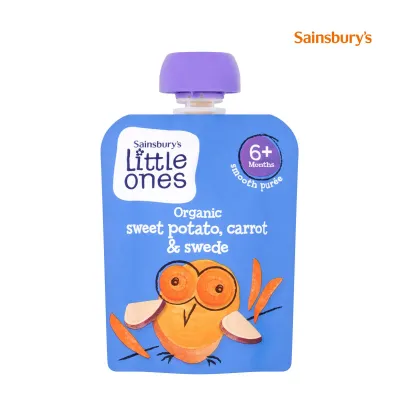
Prices are valid at publication and may change. Please refer to the product page for the latest price.

If you are practicing traditional spoon-feeding, start by offering a completely smooth, thin puree. Steam or boil the swede until it is incredibly tender, then blend it with a small amount of breast milk, formula, or the cooking water to achieve a runny consistency. As your baby becomes more adept at swallowing, gradually transition to a thicker, textured mash around seven to eight months, and eventually to small, soft lumps by nine to ten months to encourage chewing motions.
For families opting for baby-led weaning (BLW), swede is an ideal first food due to its structural integrity when cooked. Cut the raw swede into thick, finger-sized wedges or rectangular sticks before cooking. Once cooked to a very soft, squishable texture, these sticks allow your baby to practice their palmar grasp—using their whole hand to pick up the food and bring it to their mouth. The vegetable should easily yield to gentle pressure between your thumb and forefinger, ensuring it can be safely gummed.
Regardless of the feeding method you choose, always practice responsive feeding. Let your baby set the pace of the meal, paying close attention to their satiety cues, such as turning their head away, closing their mouth, or pushing the food away. Avoid forcing your baby to finish a specific portion, as their primary source of nutrition during the first year remains breast milk or infant formula.
Safety Guidelines: Choking Hazards and Digestion
- Choking Prevention: Raw or undercooked swede is extremely hard and dense, presenting a severe choking hazard for infants. To eliminate this risk, swede must always be cooked thoroughly until it is completely fork-tender. Before serving, perform the pinch test: you should be able to effortlessly mash the cooked piece between your thumb and index finger. If the center feels firm or resistant, cook it longer.
- Shape and Size: The way you cut and present swede must evolve alongside your baby's motor skill development. For babies aged six to eight months who use a palmar grasp, serve swede in large, thick strips (about the size of two adult fingers) so they can hold the bottom and gnaw on the top. Once your baby develops the pincer grasp (typically around nine to ten months), where they can pick up small items using their thumb and index finger, transition to small, bite-sized cubes (roughly 1 centimetre in size) to prevent them from stuffing too much into their mouth at once.
- Allergy Awareness: While swede is not classified as a common allergen, any new food carries a minor risk of an adverse reaction. When introducing swede for the first time, offer it in isolation or alongside foods your baby has already safely tolerated. Monitor your baby closely for several days, looking for signs of an allergic reaction, which may include hives, a sudden skin rash, swelling of the lips or face, vomiting, diarrhoea, or difficulty breathing. If you observe mild symptoms, consult your pediatrician immediately; for severe symptoms like wheezing or respiratory distress, seek emergency medical attention.
- Food Safety and Storage: Root vegetables like swede naturally absorb nitrates from the soil. While dietary nitrates are generally harmless to older children, high concentrations can occasionally affect young infants. To minimise any risk, always wash and peel the vegetable thoroughly, and never store cooked swede at room temperature for more than two hours. Promptly refrigerate leftovers in an airtight container to inhibit bacterial growth and prevent the conversion of nitrates into nitrites.
How to Select, Prep, and Cook Swede for Infants
- Selection Tips: When shopping for swede at your local supermarket or wet market, look for specimens that feel heavy for their size, indicating high moisture content and freshness. The skin should be relatively smooth, firm to the touch, and free from deep cracks, soft spots, or signs of mold. Smaller to medium-sized swedes are often sweeter and less fibrous than very large ones, which can sometimes develop a woody texture.
- Preparation Steps: Begin by washing the swede thoroughly under cold running water to remove any residual dirt or agricultural debris. Commercial swedes are frequently coated in a food-grade wax layer to preserve freshness during transport and storage. Use a sharp chef's knife to slice off the top and bottom of the root, creating stable flat surfaces. Stand the swede upright on your cutting board and carefully slice away the thick skin and wax layer with your knife or a heavy-duty vegetable peeler, ensuring only the pale yellow flesh remains. Chop the peeled flesh into uniform cubes to ensure even cooking.
- Cooking Methods:
- Steaming: This is the gold standard for preserving water-soluble nutrients, particularly Vitamin C. Place the swede cubes in a steamer basket over boiling water, cover, and steam for approximately 15 to 20 minutes until completely tender.
- Boiling: While convenient, boiling can cause some nutrients to leach into the water. If you choose this method, use a minimal amount of water and consider using the nutrient-rich cooking liquid to thin out your baby's puree.
- Roasting: Roasting swede cubes in the oven at 190°C (375°F) with a light brush of high-quality cooking oil (such as olive oil) caramelises the natural sugars, significantly enhancing its sweetness. This is an excellent option for older babies who enjoy finger foods.
- Flavor Pairings: If your baby is hesitant to accept the earthy taste of plain swede, try blending or serving it with familiar, naturally sweet ingredients. Excellent combinations include mixing swede puree with sweet potato, carrot, butternut squash, or unsweetened apple puree. You can also stir in a splash of breast milk, infant formula, or a tiny pinch of mild herbs like thyme or rosemary to gently expand your baby's sensory horizons.
Frequently Asked Questions (FAQ)
Can babies eat raw swede?
No, babies should never consume raw swede. The raw vegetable is incredibly hard, fibrous, and dense, making it impossible for an infant to chew safely with their gums or early teeth, which presents a critical choking hazard. Additionally, a baby’s developing digestive system lacks the necessary enzymes and maturity to break down the complex raw starches and tough cellular walls of raw swede, which could lead to severe abdominal discomfort. Cooking is mandatory because it softens the vegetable to a safe consistency and pre-digests the starches, making the nutrients bioavailable and highly digestible.
Does swede cause gas or bloating in babies?
While swede is generally easy on sensitive tummies, it is a member of the brassica family and contains complex carbohydrates and dietary fibre that can occasionally produce mild gas or bloating in some infants. To prevent digestive discomfort, ensure the swede is thoroughly cooked until completely soft, which helps break down these complex sugars. When first introducing swede, start with a very small portion—such as one or two teaspoons of puree—and gradually increase the amount over several days, giving your baby’s gut microbiome ample time to adjust to the fibre intake.
How should I store leftover cooked swede for my baby?
To maintain optimal freshness and safety, allow the cooked swede to cool down to room temperature quickly, then transfer it to a clean, airtight container and store it in the refrigerator. It should be consumed within 3 days. For longer storage, portion the swede puree or mash into clean silicone ice cube trays and freeze them; once solid, transfer the cubes to a freezer-safe bag for up to 3 months. When preparing to feed your baby, thaw the portion in the refrigerator overnight or use the defrost setting on your microwave. Reheat the swede thoroughly until it is piping hot to eliminate any potential bacteria, then stir well and allow it to cool completely to a safe, lukewarm temperature before serving.
Community discussion
Share your experience or ask a question. Comments are reviewed before publication.