
Quick Answer: Is Stainless Steel Safe for Babies?
High-quality, food-grade stainless steel is one of the safest, most durable, and most hygienic materials you can choose for your baby’s weaning journey. Unlike plastic plates, which can degrade over time and potentially leach microplastics, phthalates, or chemical additives into warm food, premium stainless steel remains chemically stable under normal feeding conditions. This makes it an exceptional choice for parents looking to establish a clean, chemical-free dining environment for their child.
However, the safety of a stainless steel baby plate is not absolute; it is highly conditional. Its safety depends heavily on the specific grade of steel used in manufacturing and the overall build quality of the product. Low-grade metals or poorly finished plates can present both chemical risks, such as heavy metal leaching, and physical hazards, such as sharp edges or severe heat transfer.
While stainless steel is naturally shatterproof and highly resistant to bacteria, it is also a highly efficient conductor of heat. A single-layer metal plate can quickly become hot enough to burn sensitive skin or lips if filled with warm food. Understanding these material characteristics allows you to mitigate risks effectively, ensuring that your child enjoys all the benefits of metal tableware without any of the hazards.
Products mentioned in this guide
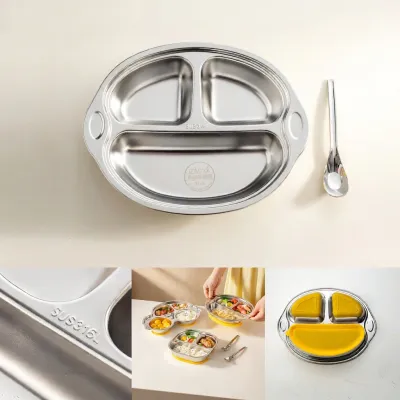
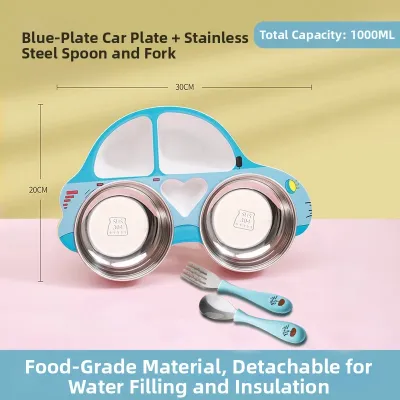
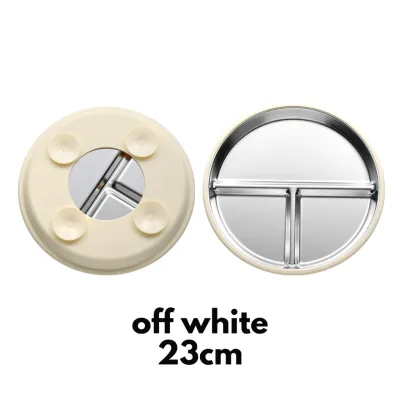
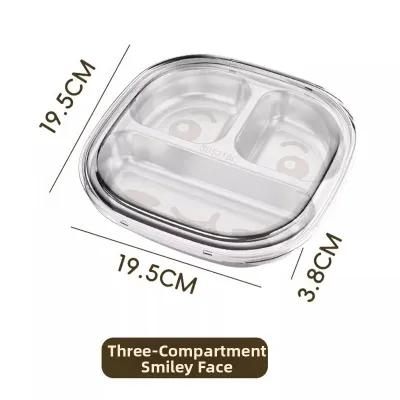
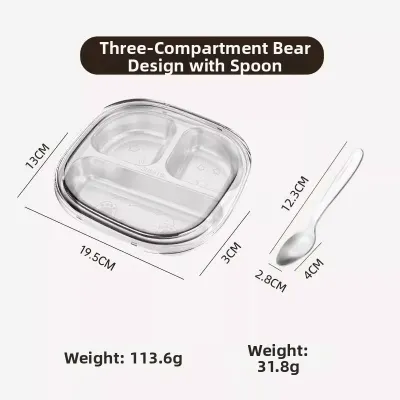
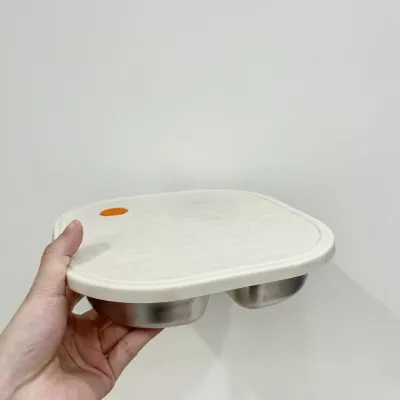
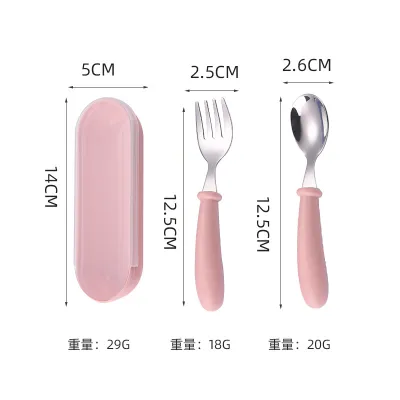
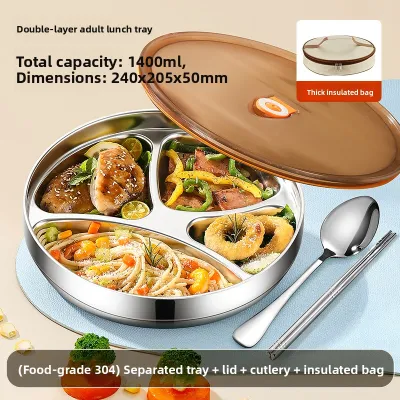
Prices are valid at publication and may change. Please refer to the product page for the latest price.
The rest of this guide will detail how to verify material safety, compare steel grades, and avoid common hazards so you can choose and maintain the best plate for your baby.
Understanding Food-Grade Stainless Steel Standards
To make an informed decision, it is essential to understand what actually makes stainless steel “food-grade.” Stainless steel is not a single element; it is an alloy made of iron, carbon, and varying amounts of other metals like chromium, nickel, and manganese. The specific combination of these elements determines the metal’s durability, resistance to rust, and safety when in contact with food.

The global manufacturing industry uses standardized grading systems to classify stainless steel. For baby tableware, the most common and reliable standards are SUS304 and SUS316. These grades are frequently referred to by their composition ratios, such as 18/8 and 18/10, respectively.
The numbers in these ratios represent the percentages of chromium and nickel in the alloy. For instance, SUS304 (18/8 stainless steel) contains approximately 18% chromium and 8% nickel. Chromium is the critical component that reacts with oxygen to form a microscopic, self-healing passive oxide layer on the surface of the steel. This layer prevents oxygen from reaching the underlying iron, protecting the plate from rust and corrosion. Nickel adds to this corrosion resistance while giving the metal its characteristic silver luster.
SUS316 (18/10 stainless steel) takes protection a step further by including approximately 10% nickel and adding 2% to 3% molybdenum. Molybdenum significantly enhances the metal’s resistance to chlorides, salts, and highly acidic environments. While SUS316 is more commonly used in medical equipment, it is also utilized in premium baby tableware to provide maximum protection against corrosion from acidic foods.
Parents should actively avoid ungraded stainless steel or “200-series” alloys (such as 201 or 202). These cheaper alternatives replace much of the nickel with manganese to lower production costs. While they may look identical to food-grade steel on the shelf, 200-series alloys are far more susceptible to rust, pitting, and chemical degradation when exposed to acidic foods or standard dishwashing detergents. Over time, this degradation can compromise the structural integrity of the plate and increase the risk of metal ingestion.
To verify the quality of a baby plate, look for a clear, physical stamp on the bottom of the product, such as “SUS304,” “SUS316,” “18/8,” or “18/10.” Reliable manufacturers will explicitly state these grades on their packaging and product listings. Be skeptical of vague marketing terms like “premium food-grade alloy,” “high-quality metal,” or “eco-steel” that do not specify the exact technical grade. If a manufacturer cannot or will not disclose the specific grade of steel used, it is best to choose a different product.
Potential Safety Concerns and How to Mitigate Them
While food-grade stainless steel is highly recommended by pediatric feeding experts, it is not entirely without risks. Understanding the chemical and physical properties of the material allows you to take simple, proactive steps to keep your baby safe during mealtime.
Heavy Metal Leaching Risks
One of the primary concerns parents have about metal tableware is the potential for heavy metals, such as nickel, chromium, or manganese, to leach into their baby’s food. Under normal circumstances, high-quality SUS304 and SUS316 stainless steel are incredibly stable and do not leach measurable amounts of metals. The self-healing passive oxide layer acts as a highly effective barrier between the food and the underlying metal alloy.
However, this stability can be challenged under specific conditions. Prolonged contact with highly acidic foods—such as tomato-based purees, citrus fruits, berries, or vinegar-based dressings—can slowly break down the protective oxide layer, especially if the food is left on the plate for several hours or stored in the refrigerator overnight. If the plate is made of low-quality or ungraded steel, this leaching risk increases significantly.
To mitigate this risk, avoid using stainless steel plates as long-term food storage containers. Serve acidic foods on the plate for immediate consumption, and transfer any leftovers to glass or food-grade silicone containers as soon as the meal is finished. Additionally, regularly inspect your baby’s plates for any signs of deep scratching, pitting, or dull grey patches, which indicate that the protective surface layer has been compromised. If you notice these signs, stop using the plate and replace it.
Heat Conductivity and Burn Risks
Stainless steel is an exceptional conductor of heat, which is a major advantage for cookware but a distinct disadvantage for baby plates. When you place warm purees, hot grains, or steamed vegetables onto a single-layer metal plate, the heat transfers rapidly through the material. The underside and edges of the plate can quickly become hot enough to cause discomfort or burns if your baby touches them.
More importantly, the rim of a single-layer plate can retain heat, posing a burn risk to a baby’s sensitive lips and tongue if they attempt to chew on the edge of the plate—a very common behavior during teething and early self-feeding.
To prevent heat-related injuries, look for double-walled stainless steel plates. These designs feature an insulating pocket of air between the inner and outer metal walls, keeping the exterior cool to the touch even when holding warm food. Alternatively, choose plates that are encased in a protective outer sleeve made of food-grade silicone or BPA-free plastic. This outer shell acts as a highly effective thermal barrier, ensuring the plate remains perfectly safe for little hands to hold.
Physical Hazards and Durability
The physical construction of a baby plate is just as important as its chemical composition. Poorly manufactured metal plates may feature sharp, unrolled rims or rough seams that can scratch a baby’s delicate fingers, lips, or gums. Because babies explore their world through touch and taste, any rough edge presents an immediate physical hazard.
Before introducing a new plate to your baby, run your fingers firmly along every edge, corner, and seam to ensure the metal is completely smooth and rounded. High-quality plates typically feature rolled edges, where the metal is curved backward on itself to eliminate sharp borders, or they integrate a protective silicone rim.
While stainless steel is famous for being virtually shatterproof—making it a durable alternative to glass or ceramic—it is not completely immune to physical damage. If a metal plate is repeatedly dropped from a high chair onto a hard kitchen floor, it can develop deep dents. These dents can create micro-cracks in the passive oxide layer, creating tiny crevices where food particles and bacteria can accumulate, making the plate difficult to sanitize. If a plate suffers a severe impact that deforms its shape or creates sharp creases, it should be retired from use.
How to Choose a Safe Stainless Steel Baby Plate
Selecting the right stainless steel plate for your baby requires looking past aesthetic appeal and focusing on specific safety and design features. Use this comprehensive checklist when evaluating different brands and models to ensure you select a product that is both safe and functional for early weaning.
- Material Verification: Always verify the exact grade of the steel before purchasing. Look for physical stamps on the base of the plate or explicit declarations of "SUS304," "SUS316," "18/8," or "18/10" on the packaging. Avoid any product that uses generic terms like "food-safe metal" without specifying the technical alloy grade.
- Design and Insulation: Choose double-walled insulated plates or those with a protective outer cover made of food-grade silicone. This design prevents the exterior from becoming too hot to touch and protects the plate from denting when dropped.
- Edge and Finish Inspection: Opt for plates with smoothly polished, rolled edges or those with integrated silicone rims. Ensure there are no sharp borders, rough welds, or exposed seams where food can become trapped and bacteria can grow.
- Stability Features: During baby-led weaning, plates are frequently tipped, pushed, or thrown. Prioritize plates that feature a strong, removable silicone suction base. This ensures the plate stays firmly attached to the high chair tray, reducing spills and preventing the heavy metal plate from being dropped onto the floor.
- Compartmentalization: Divided or sectional plates are excellent for offering a variety of foods and keeping different textures separate, which can be highly beneficial for picky eaters. Ensure that the dividers are seamlessly molded into the plate rather than welded on, as welded joints can harbor bacteria if they are not perfectly smooth.
- Manufacturer Safety Checks: Before purchasing, perform a quick online search to check for any active manufacturer recalls or safety alerts associated with the specific brand. Choose reputable brands that are transparent about their third-party safety testing and material certifications.
Safe Usage, Cleaning, and Maintenance
Proper care and maintenance are essential to preserving the safety, hygiene, and longevity of your baby’s stainless steel plates. By following correct cleaning protocols, you can protect the metal’s passive oxide layer and prevent bacterial contamination.
- Cleaning Tools: When washing stainless steel, strictly avoid using steel wool, metal scouring pads, or highly abrasive cleaning powders. These harsh tools will scratch the smooth surface of the plate, wearing away the protective chromium oxide layer and creating microscopic grooves. These tiny scratches are the perfect breeding ground for bacteria and make the plate much harder to clean. Instead, use a soft sponge, a microfiber cloth, or a silicone brush paired with a mild, non-abrasive dish soap.
- Dishwasher Safety: Most high-quality stainless steel plates are completely dishwasher safe, which is highly convenient for busy parents. However, always check the manufacturer's care instructions first. If the plate features integrated silicone suction bases, plastic outer shells, or decorative decals, these components may degrade, warp, or lose their adhesive properties under the intense heat and harsh detergents of a dishwasher cycle. If in doubt, wash these multi-material plates by hand to extend their lifespan.
- Stain Removal: Over time, stainless steel can develop stubborn water spots, rainbow-colored heat tints, or mineral deposits from hard tap water. To safely restore the metal's finish without using harsh chemicals, create a smooth paste using baking soda and a small amount of water. Gently rub the paste onto the stained area with a soft cloth, then rinse thoroughly. For stubborn mineral build-up, you can soak the plate in a mixture of equal parts warm water and white vinegar for ten minutes, followed by a thorough rinse and immediate hand-drying.
- When to Replace: While stainless steel is incredibly long-lasting, it does not last forever. Inspect your baby's plates regularly and replace them immediately if you observe any of the following end-of-life indicators:
- Visible rust spots or persistent orange/brown discoloration that does not wash away.
- Deep scratches, pitting, or gouges in the metal surface that feel rough to the touch.
- A loose, warped, or cracked outer silicone or plastic shell, which can trap moisture, food residue, and black mold between the layers.
- Severe dents that make the plate unstable or create hard-to-clean crevices.
Frequently Asked Questions (FAQ)
To help you navigate everyday feeding scenarios, here are answers to some of the most common questions parents ask about using stainless steel tableware.
Can I put a stainless steel baby plate in the microwave?
No, you must never place a stainless steel plate—or any metal object—inside a microwave. Microwaves cook food using electromagnetic waves, which cannot penetrate metal. Instead, the waves cause electrical charges to build up on the surface of the metal plate. This can lead to electrical arcing (sparks), which poses a severe fire hazard, can damage the interior of your microwave, and may release toxic fumes if the plate has plastic or silicone components. Always heat your baby’s food in a microwave-safe glass, ceramic, or silicone container first, stir it thoroughly to eliminate hot spots, verify the temperature, and then transfer it to the stainless steel plate for serving.
Is 316 stainless steel significantly better than 304 for baby food?
While SUS316 stainless steel does offer superior corrosion resistance compared to SUS304, it is generally not necessary for standard baby weaning. The primary advantage of SUS316 is its resistance to highly concentrated salts and industrial acids. For daily baby meals—which typically consist of mild purees, steamed vegetables, grains, and small portions of meat—high-quality SUS304 (18/8) provides outstanding protection and durability. You do not need to pay a premium price for SUS316 unless you prefer the absolute maximum level of corrosion resistance or the plate is frequently exposed to highly acidic foods for extended periods. Focus instead on finding a plate with a safe, functional design, such as smooth edges and a reliable suction base.
How do I know if my baby's stainless steel plate is rusting?
Early signs of rust on stainless steel typically appear as small, pinpoint spots of reddish-brown or orange discoloration. This can occur if the plate was scrubbed with an abrasive pad, exposed to harsh chemicals, or left wet in a low-oxygen environment for too long. If you notice these spots, try cleaning them gently with a baking soda paste. If the discoloration disappears and the metal underneath is smooth, it was likely a superficial stain. However, if the spot remains, feels rough, or shows signs of pitting (small holes in the metal), the protective oxide layer has been permanently compromised. In this case, stop using the plate immediately, as rust can harbor harmful bacteria and lead to the ingestion of iron oxides.
Community discussion
Share your experience or ask a question. Comments are reviewed before publication.