
High-quality, food-grade stainless steel is widely recognized as a safe, durable, and hygienic material for baby food bowls. When sourced from reputable manufacturers who adhere to strict safety standards, stainless steel does not easily leach chemicals into your baby’s food. However, its safety is conditional. Parents must verify the specific grade of the steel, ensure the bowl is free from non-food-safe protective coatings, and monitor for any signs of metal allergies, such as nickel sensitivity. Additionally, proper usage—such as avoiding the prolonged storage of highly acidic foods and keeping the bowl clean without using abrasive scrubbers—is essential to maintaining its protective surface. Before introducing a new bowl to your weaning routine, always check the manufacturer’s age recommendations, usage instructions, and safety certifications to ensure a secure feeding experience.
Understanding Stainless Steel Grades for Baby Bowls
When shopping for a baby stainless bowl, you will likely encounter various numbers and grading systems on the packaging. Understanding these terms is crucial for verifying that the product is genuinely food-grade and safe for infant use. The most common grading systems used for high-quality kitchenware and baby products are the AISI grades and the numerical ratios that describe the alloy’s composition.
The most frequent designations you will see are 304 stainless steel, 316 stainless steel, 18/8, and 18/10. The numbers “18/8” and “18/10” represent the percentages of chromium and nickel present in the alloy. For example, 18/8 stainless steel contains approximately 18% chromium and 8% nickel. Both 18/8 and 18/10 belong to the 300 series of stainless steel, specifically falling under the 304 grade. Chromium provides rust resistance and durability, while nickel adds luster and enhances corrosion resistance.
Products mentioned in this guide
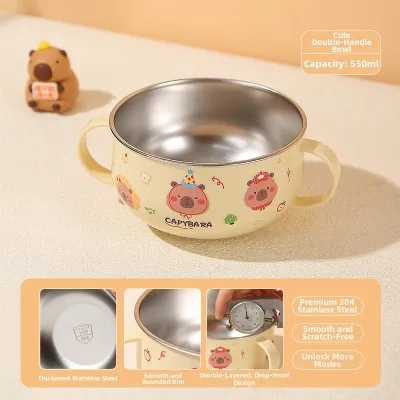
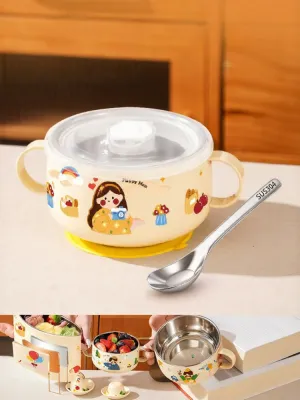
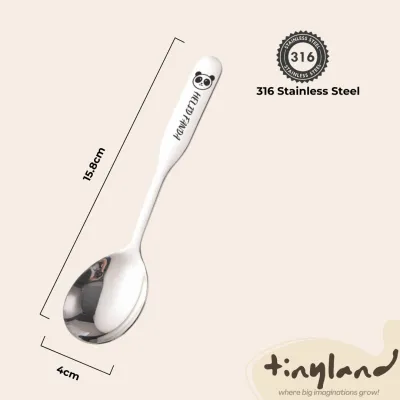
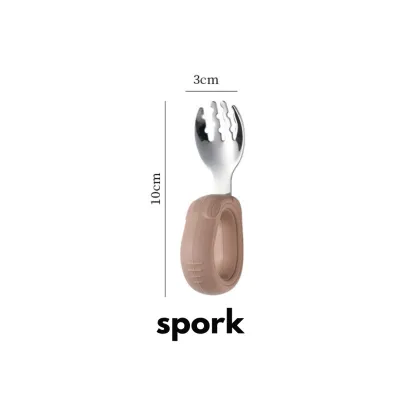
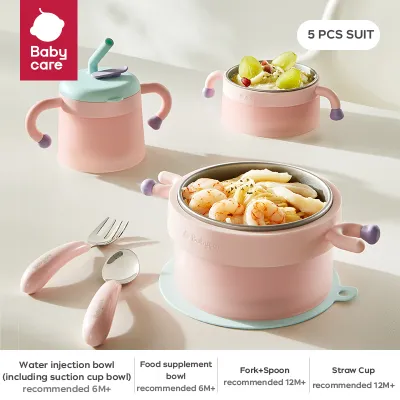
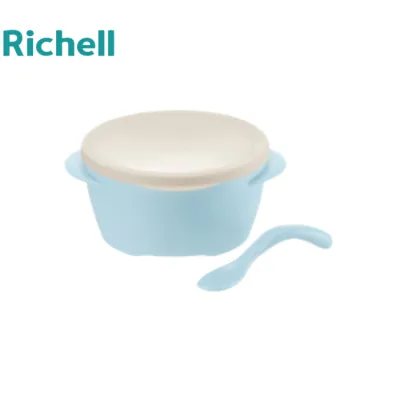
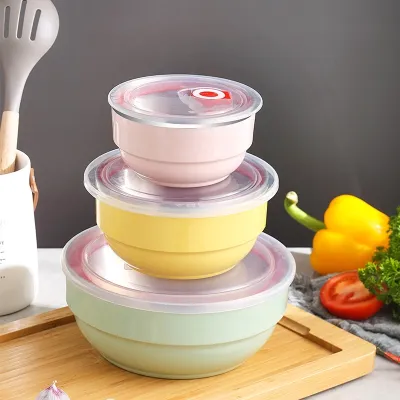
Prices are valid at publication and may change. Please refer to the product page for the latest price.
For an even higher level of corrosion resistance, some premium baby bowls utilize 316 stainless steel. This grade contains molybdenum, which significantly increases the metal’s resistance to acids and salts, making it highly durable and less prone to pitting. While 304 is the standard recommendation for daily baby feeding, 316 offers an extra layer of protection against wear.
To verify the grade, look for a clear stamp on the bottom of the metal insert, which should read “SUS304,” “SUS316,” “304,” or “18/8.” If the product packaging or the bowl itself lacks any material specification, it is best to avoid it. Ungraded or suspiciously cheap metal bowls may contain lower-quality alloys that are far more susceptible to rust and chemical leaching.
Addressing Metal Leaching and Nickel Concerns
A common concern among parents is whether metals like chromium or nickel can leach from a stainless steel bowl into a baby’s food. Under normal feeding conditions, high-quality food-grade stainless steel is highly stable. The chromium in the steel reacts with oxygen in the air to form an incredibly thin, invisible, and self-healing layer of chromium oxide on the surface. This passive layer acts as a barrier that prevents the underlying metal from reacting with food or moisture.

However, certain conditions can compromise this passive layer and increase the risk of metal migration. Prolonged contact with highly acidic foods—such as tomato-based purees, citrus fruits, or vinegar-heavy preparations—can slowly degrade the protective barrier over time. Similarly, storing highly salty foods in the bowl for extended periods can encourage localized corrosion. To minimize any potential leaching, avoid using stainless steel bowls for long-term food storage. Instead, use the bowl strictly for serving, and transfer any leftovers to glass or food-grade silicone containers before placing them in the refrigerator.
Another critical consideration is nickel sensitivity. Nickel is a common allergen, and some infants may develop contact dermatitis if they have an underlying sensitivity to the metal. While the amount of nickel that could potentially migrate from a high-quality 304 or 316 bowl during a brief meal is extremely minute, highly sensitive babies might still experience a reaction.
Caregivers should monitor their babies for any signs of localized skin irritation, such as redness, a dry or bumpy rash, or itching around the mouth or hands after using the bowl. If you observe these symptoms, stop using the metal bowl immediately and consult a pediatrician. For babies with a confirmed nickel allergy, alternative materials like food-grade silicone are safer choices.
Verifying Food-Grade Certifications and Standards
Because the market is filled with various baby feeding products, parents must learn how to distinguish certified food-safe items from unverified ones. Legitimate manufacturers of baby stainless bowls will readily provide evidence of compliance with international food-contact safety standards.
When evaluating a product, look for recognized certification marks on the packaging. Compliance with the United States Food and Drug Administration (FDA) guidelines or the European Union’s LFGB standards is a strong indicator of safety. The LFGB standard is particularly rigorous, requiring strict migration testing for metals and other substances.
Do not rely solely on marketing buzzwords like “non-toxic,” “eco-friendly,” or “100% safe.” These terms are often unregulated and do not guarantee that the product has undergone independent laboratory testing. Instead, look for concrete details. Reputable brands often publish their third-party laboratory test reports on their official websites or will provide them upon request. These reports verify that the product has passed heavy metal migration tests, ensuring that lead, cadmium, nickel, and chromium levels remain well below established safety thresholds.
Red flags to watch out for when purchasing online or in-store include:
- A complete lack of brand identification or manufacturer contact information on the packaging.
- No mention of the specific stainless steel grade (such as 304 or 316).
- Extremely low prices that seem inconsistent with the cost of high-quality food-grade metals (for example, a multi-piece set selling for a fraction of the typical market rate of S$15 to S$25 per bowl).
- Missing user manuals or safety warnings regarding microwave use and cleaning limitations.
Safe Usage, Cleaning, and Maintenance Boundaries
To keep a baby stainless bowl safe and functional, caregivers must operate within specific usage and maintenance limits. Stainless steel is incredibly tough, but improper handling can damage the material or create safety hazards in the kitchen.
The most critical safety rule concerns the microwave. Standard, solid stainless steel bowls must never be placed in a microwave oven. Metal reflects microwaves, which can cause electrical arcing, sparks, and potentially start a fire or permanently damage your appliance. Some modern baby bowls feature a hybrid design, where a stainless steel inner bowl is permanently encased in a microwave-safe plastic or silicone outer shell. However, you must never assume a bowl is microwave-safe unless the manufacturer explicitly states so on the product. When in doubt, always heat your baby’s food in a glass or microwave-safe ceramic container first, then transfer it to the stainless steel bowl for serving.
Cleaning and sterilization also require careful attention. Many stainless steel baby bowls come with additional components, such as removable silicone suction bases, plastic outer sleeves, or painted exterior designs. While the stainless steel insert itself can typically withstand high temperatures, these outer accessories may not. High-heat environments, such as steam sterilizers, UV sterilizers, or the intensive drying cycle of a dishwasher, can warp plastic, degrade silicone suction properties, or cause painted exteriors to peel. Always check the manufacturer’s instructions to verify which parts are dishwasher-safe and what the maximum temperature limit is for each component.
When washing the bowl by hand, use a soft sponge, microfiber cloth, or a gentle silicone brush paired with a mild dish soap. Never use steel wool, metal scouring pads, or highly abrasive cleaning powders. These harsh tools will scratch the polished surface of the steel, destroying the passive chromium oxide layer and creating microscopic grooves where food particles and bacteria can hide. Additionally, avoid using chlorine bleach, as chlorine is highly corrosive to stainless steel and can cause rapid pitting and rust.
When to Stop Using or Replace the Bowl
Although stainless steel is celebrated for its longevity, it is not indestructible. Regular inspections are necessary to ensure the bowl remains safe for your baby’s daily meals. Caregivers should periodically examine the bowl under good lighting for physical signs of wear and tear.
The primary indicator that a bowl needs to be retired is the presence of deep scratches, pitting, or persistent discoloration on the food-contact surface. While light surface scratches from normal spoon usage are common and generally harmless, deep gouges can compromise the metal’s integrity. These deep crevices are difficult to clean thoroughly and can harbor harmful bacteria, posing a hygiene risk to your infant. Pitting—which looks like tiny, dark pinholes in the metal—indicates that the protective passive layer has broken down, significantly increasing the risk of metal leaching.
You should also inspect the exterior of the bowl. If the product features a painted outer coating, a plastic sleeve, or a bonded silicone base, check for signs of peeling, cracking, or separation. Peeling paint or degrading plastic can easily flake off and find its way into your baby’s food or hands, presenting a choking or ingestion hazard. Furthermore, if water becomes trapped between a non-removable outer sleeve and the inner metal bowl, it can create a breeding ground for mold and bacteria.
If you notice any spots of orange or reddish rust, the bowl must be removed from service immediately. Rust indicates that the iron in the steel has oxidized, meaning the protective chromium barrier has failed completely. When retiring a stainless steel baby bowl, consider its environmental impact. If the bowl is made of pure, uncoated stainless steel, it is highly recyclable. Check with your local recycling guidelines to see if it can be placed in the metal recycling bin. Alternatively, you can repurpose a scratched bowl for non-food activities, such as holding crayons, storing small toys, or using it in supervised sensory play setups.
Frequently Asked Questions (FAQ)
Can I put boiling water in a stainless steel baby bowl?
You should exercise extreme caution when using boiling water with a stainless steel baby bowl. Stainless steel is an excellent conductor of heat, meaning it transfers thermal energy rapidly. If you pour boiling water into a single-walled stainless steel bowl to warm food or sterilize the dish, the exterior of the bowl will instantly become hot enough to cause severe burns upon contact. To prevent accidental burns to yourself or your baby, always choose double-walled, insulated stainless steel bowls or those equipped with a protective outer silicone or plastic sleeve. Even when using insulated designs, always verify the manufacturer’s maximum temperature limits and test the temperature of the food on the inside of your wrist before offering it to your child.
Are stainless steel bowls better than silicone or plastic for weaning?
Whether stainless steel is better than silicone or plastic depends on your family’s specific feeding priorities and lifestyle. Stainless steel is exceptionally durable, does not crack when dropped, and is completely resistant to food stains and lingering odors, which are common issues with plastic and silicone. However, stainless steel has distinct trade-offs. It cannot be microwaved, single-walled versions transfer heat very quickly, and the metal can make a loud clattering noise when dropped by an enthusiastic toddler. Silicone is highly flexible, microwave-safe, and naturally slip-resistant, but it can sometimes absorb soapy tastes or oil residues over time. Plastic is lightweight and inexpensive but prone to scratching, which can harbor bacteria. Many parents find that a combination works best, using silicone for quick microwave heating and stainless steel for durable, stain-free daily serving.
How do I remove stubborn food stains from a stainless steel bowl?
To remove stubborn, dried-on food stains or mineral deposits without damaging the bowl’s protective surface, avoid harsh chemical cleaners and abrasive scrubbers. Instead, create a gentle cleaning paste by mixing equal parts baking soda and water. Apply the paste to the stained area and let it sit for about ten to fifteen minutes. Afterward, use a soft sponge or a microfiber cloth to gently rub the stain in circular motions, following the grain of the metal if it is visible. Rinse the bowl thoroughly with warm water and dry it immediately with a clean towel to prevent water spots. This method effectively lifts stains and restores the metal’s natural shine without scratching or stripping the protective chromium oxide layer.
Community discussion
Share your experience or ask a question. Comments are reviewed before publication.