
Determining whether Sebamed baby soap is safe for your newborn requires looking beyond brand reputation to evaluate the specific product formulation, your infant’s unique skin needs, and local regulatory compliance. While Sebamed is a widely recognized name in infant care, newborn skin is exceptionally delicate and demands a cautious approach. Parents in Singapore should verify the product’s notification status with the Health Sciences Authority (HSA), inspect the physical packaging for age-suitability labels, and understand how to read ingredient lists. By taking these practical steps and performing a localized patch test, you can make an informed decision that supports your baby’s developing skin barrier.
Why Newborn Skin Requires Specific Safety Standards
A newborn’s skin is structurally different from adult skin and continues to develop throughout the first year of life. It is approximately 30% thinner, which makes it highly susceptible to rapid moisture loss and environmental irritants. The outermost layer, known as the stratum corneum, has a less compact cellular structure and a developing lipid matrix. Consequently, chemicals, fragrances, and cleansing agents can penetrate the skin much more easily, increasing the risk of contact dermatitis, dryness, and irritation.
Maintaining the skin’s natural pH balance is another critical factor in newborn care. At birth, an infant’s skin surface pH is close to neutral but quickly transitions to a slightly acidic range, typically between 4.5 and 5.5, within the first few weeks. This acidic environment, often referred to as the acid mantle, is essential for preserving the skin barrier’s integrity and defending against harmful microbes. Using highly alkaline soaps, such as traditional bar soaps that often have a pH of 9 or 10, can disrupt this delicate balance, stripping away protective lipids and leaving the skin vulnerable to infections.
Products mentioned in this guide
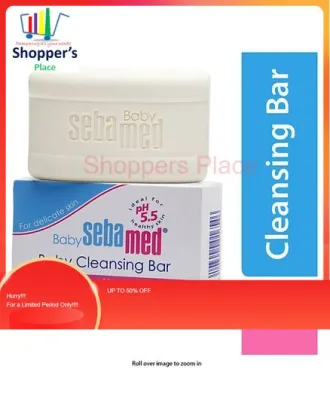
![[Dermaceutica] Sebamed Baby Cleansing Bar (100% Soap & Alkaki-Free) 100g [LOCAL SG DELIVERY]](https://img.lazcdn.com/g/p/bd03a06a7dd465c858dfaa26420cf0b7.png_400x400q80.png_.webp)
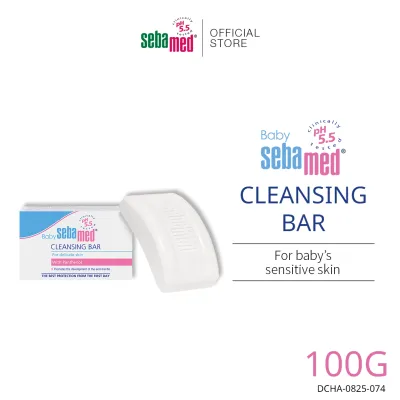
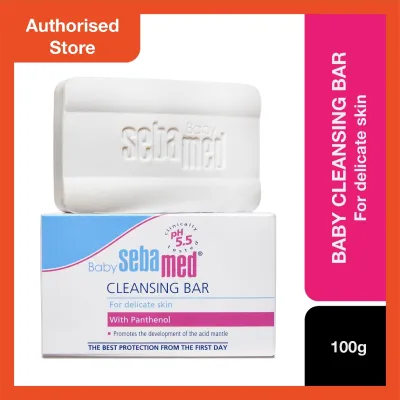
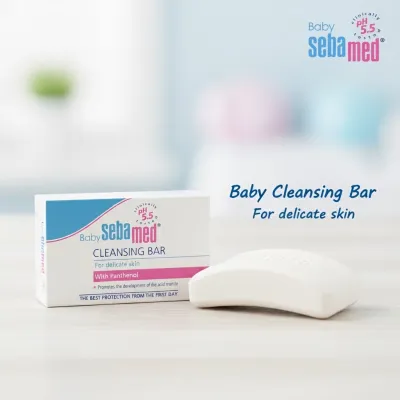
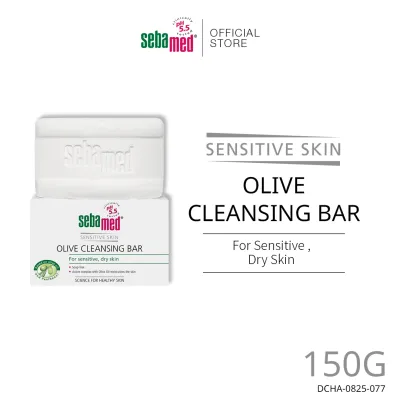
Prices are valid at publication and may change. Please refer to the product page for the latest price.
When selecting bathing products, caregivers must actively avoid harsh ingredients that can compromise this fragile barrier. Strong synthetic fragrances, essential oils, and artificial colorants are common triggers for allergic skin reactions in infants. Additionally, harsh surfactants like sodium lauryl sulfate (SLS) and certain preservatives, such as parabens or formaldehyde-releasing agents, should be avoided. Prioritizing simple, fragrance-free, and minimally formulated products helps minimize the risk of sensitizing your newborn’s skin.
How to Verify HSA Registration for Baby Bathing Products in Singapore
In Singapore, baby bathing products, including liquid washes and solid cleansing bars, are regulated as cosmetic products by the Health Sciences Authority (HSA). Under the Health Products Act, cosmetic products do not undergo a pre-market approval process similar to prescription medicines. Instead, the local importer or manufacturer is legally required to submit a product notification to the HSA before the product can be sold to the public. This notification process ensures that the company responsible for the product declares compliance with safety standards and ingredient restrictions.

Parents can independently verify if a specific baby soap has been properly notified by using the official HSA online database. By navigating to the “Search Cosmetic Products” section on the HSA website, you can search using the brand name or the exact product name. The database will display the notified product name, the local company responsible for importing or distributing it, and the notification status. If a product does not appear in this database, it may be an unauthorized parallel import or an unverified product that has bypassed local regulatory checks, which increases the risk of encountering counterfeit or non-compliant formulations.
When shopping at physical retail stores or local online marketplaces, always inspect the physical packaging for a local distributor label. Compliant products sold in Singapore typically feature English labeling that includes the name and address of the local importer, the batch number, and a complete ingredient list. While the HSA does not issue physical “HSA Approved” logos for cosmetic packaging, the presence of clear, traceable local distributor details and a batch code is a reliable indicator of a legitimate, notified product.
How to Assess Sebamed Baby Soap for Your Newborn
Sebamed offers several baby cleansing variants, including the classic Baby Cleansing Bar and the Baby Wash Extra Soft. It is important to distinguish between these formulations, as “soap” is often used as a general term for both traditional solid bars and modern liquid syndets (synthetic detergents). For newborns, liquid syndet washes are generally easier to dilute and apply gently without causing friction on the skin. Parents should carefully check the packaging of the specific variant they purchase to confirm if the manufacturer explicitly states it is suitable for newborns or infants from birth.
Next, turn the product over to review the ingredient list printed on the back of the packaging. Look for mild, non-stripping cleansing agents such as cocamidopropyl betaine or decyl glucoside, which cleanse the skin without removing its natural oils. Many baby-specific formulations also incorporate soothing agents like chamomile extract (chamomilla recutita) or allantoin to help calm and moisturize the skin. Ensure that the specific variant you choose does not contain high concentrations of drying alcohols, strong synthetic perfumes, or harsh sulfates that could irritate your infant’s skin.
Sebamed products frequently highlight a “pH 5.5” claim on their packaging, which matches the natural acidity of healthy skin. While this is a helpful indicator, parents should verify that this claim is printed directly on the manufacturer’s official packaging rather than relying solely on online retail descriptions or promotional stickers. Look for dermatological or clinical testing statements on the label, such as “dermatologically tested” or “clinically tested for sensitive skin.” Remember that these terms indicate the manufacturer has conducted testing, but they do not replace the need for careful personal observation and a localized patch test.
Safe Bathing Practices and Signs to Stop Use
Before introducing any new bathing product to your newborn’s routine, it is highly recommended to perform a localized patch test. During a bath, apply a tiny amount of the diluted product to a small, clean area of your baby’s skin, such as the inner forearm or the side of the thigh. Rinse the area gently with lukewarm water and pat it dry. Monitor this specific spot for 24 to 48 hours for any signs of irritation, redness, swelling, or tiny bumps. If any reaction occurs, do not proceed with full-body use of the product.
When bathing your newborn, keep the water lukewarm—ideally around 37 degrees Celsius—and limit the bath duration to 5 to 10 minutes to prevent skin dehydration. Use your hands or a very soft cotton washcloth to apply the cleanser gently, avoiding vigorous scrubbing which can damage the fragile skin barrier. Ensure all soap residue is thoroughly rinsed off with clean water, as dried soap left on the skin can cause itching and irritation. Gently pat the baby dry with a soft towel instead of rubbing.
Discontinue the use of any bathing product immediately if your newborn develops signs of skin distress. These include persistent redness, dry peeling patches, hives, a rough papular rash, or signs of discomfort such as scratching or crying during or after the bath. If the skin reaction does not improve within a couple of days after stopping the product, or if it spreads, oozes, or is accompanied by a fever, consult a pediatrician or a qualified healthcare professional promptly. Do not apply over-the-counter steroid creams or unverified home remedies without professional medical guidance.
Frequently Asked Questions (FAQ)
Can I use regular adult soap on my newborn if it is HSA approved?
No, you should not use regular adult soap on a newborn, even if the product is fully notified and compliant with HSA standards. Adult soaps are formulated for mature skin, which is thicker, less sensitive, and has different lipid levels. These products often contain stronger surfactants, higher fragrance concentrations, and alkaline pH levels that can severely strip a newborn’s fragile skin barrier, leading to painful dryness, irritation, and eczema flare-ups. Always choose products specifically formulated, tested, and labeled for infant or newborn use.
Does a higher price guarantee a baby soap is safer for newborns?
A higher price tag does not guarantee that a baby soap is safer or more effective for your newborn. Pricing is often influenced by brand marketing, imported shipping costs, packaging designs, and retail positioning rather than the safety or quality of the ingredients. Some budget-friendly, basic baby washes may have simpler, fragrance-free ingredient lists that are actually better suited for sensitive newborn skin than expensive, heavily fragranced luxury products. Always prioritize reading the ingredient list and verifying the product’s suitability over relying on the price.
What should I do if my newborn develops a rash after using a new baby soap?
If your newborn develops a rash, stop using the suspected baby soap immediately. Wash the affected area gently with plain, lukewarm water to remove any lingering product residue, and pat the skin dry with a clean, soft towel. Avoid applying any other scented lotions, oils, or home remedies to the rash, as these can exacerbate the irritation. Keep the skin clean and dry, and monitor the rash closely. If the redness persists, worsens, appears painful, or if your baby seems distressed, seek professional medical advice from a pediatrician.
Community discussion
Share your experience or ask a question. Comments are reviewed before publication.