
Is Seaweed Safe for Babies and When Can They Start?
Introducing solid foods to your baby is an exciting milestone, but it requires careful navigation of textures, ingredients, and nutritional profiles. Seaweed has become a popular snack for families, leading many parents to wonder if it is safe for their infants. While seaweed offers unique dietary components, it also presents specific physical and nutritional risks that require strict precautions before it can be safely offered to a baby.
Generally, babies can begin exploring solid foods around six months of age, provided they show key signs of developmental readiness. These signs include holding their head steady, sitting upright with minimal support, and showing active interest in food. However, dry, crispy seaweed snacks are not suitable for early solids due to their physical texture. Even if a baby is developmentally ready for purees or soft finger foods, the unique properties of dry seaweed require parents to modify the food entirely to prevent choking.
Every infant develops at a unique pace, and their digestive and renal systems mature gradually. Before introducing any form of seaweed, consult your pediatrician. This is particularly crucial if your baby has a history of food sensitivities, thyroid conditions, or other underlying health concerns. A professional can help you determine if your baby is ready for this specific ingredient and provide personalized guidance based on their growth and health history.
Products mentioned in this guide
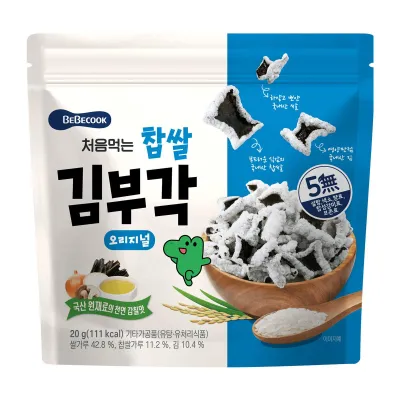
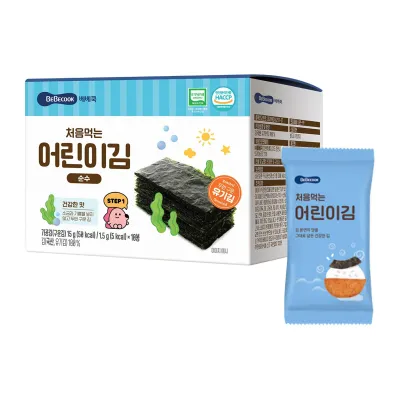
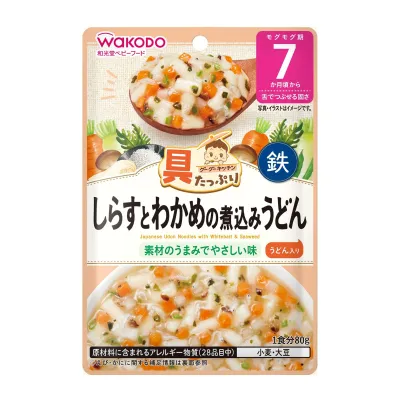
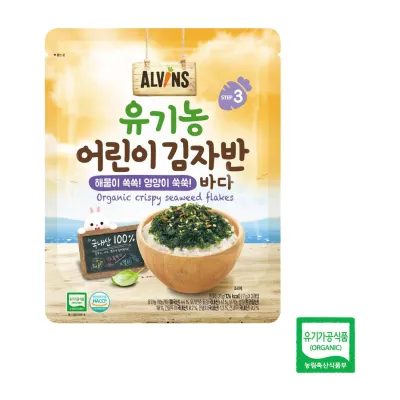
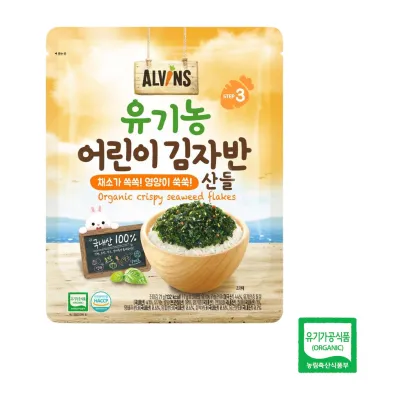
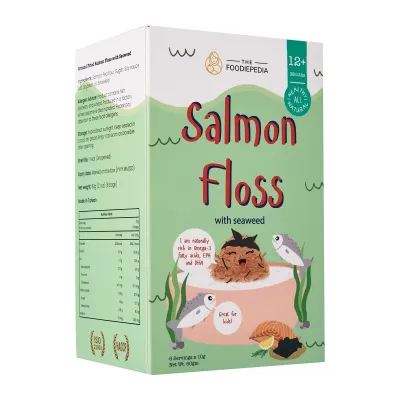
Prices are valid at publication and may change. Please refer to the product page for the latest price.
Key Safety Risks and Precautions for Baby Seaweed
Understanding the specific risks associated with seaweed allows parents to make informed decisions and prepare this food safely. Infants have delicate systems that are highly sensitive to texture, sodium, and concentrated minerals.

Choking Hazards and Texture Risks
The physical structure of dry seaweed is one of the most immediate safety concerns for infants. When dry seaweed sheets, such as nori, come into contact with saliva, they do not dissolve instantly. Instead, they can become highly gelatinous, sticky, and pliable. This sticky film can easily adhere to the roof of a baby’s mouth, the tongue, or the back of the throat, creating a severe airway obstruction. To mitigate this risk, parents must never offer whole or large pieces of dry, crispy seaweed to an infant who has not yet mastered advanced chewing and swallowing mechanics.
High Sodium Content
Another critical factor is the sodium level found in commercial seaweed products. Infants require very little sodium, and their immature kidneys are not fully equipped to filter excess salt. Many packaged seaweed snacks designed for adults are heavily seasoned and roasted with salt, which can quickly exceed a baby’s safe daily intake limits. Parents must carefully inspect the nutrition facts panel on every package to verify the sodium content, opting only for products with zero or exceptionally low sodium levels.
Concentrated Iodine Levels
Seaweed is naturally one of the most concentrated dietary sources of iodine. While iodine is a vital nutrient for healthy thyroid function and cognitive development, an excess of it can be harmful. In infants, consuming too much iodine can disrupt thyroid hormone production, potentially leading to thyroid dysfunction. Because different varieties of seaweed—such as kombu, wakame, and nori—contain vastly different concentrations of iodine, moderation is essential. Parents should treat seaweed as an occasional flavor enhancer rather than a daily dietary staple.
Environmental Contaminants and Heavy Metals
Because seaweed grows in marine environments, it naturally absorbs minerals from the surrounding ocean water. Unfortunately, this means it can also accumulate environmental contaminants, including heavy metals such as arsenic, cadmium, and lead. The level of contamination often depends on the water quality where the seaweed was harvested. To minimize exposure, parents should research brands thoroughly, looking for manufacturers that provide transparent sourcing information and conduct rigorous testing for heavy metals.
How to Choose and Prepare Seaweed Snacks Safely
Selecting the right product and preparing it correctly are essential steps to minimize both physical and nutritional risks. Parents should establish a strict verification routine when shopping for baby seaweed.
Reading Labels and Verifying Ingredients
When shopping for seaweed, look past the front-of-package marketing and focus entirely on the ingredient list and nutrition facts. A safe product for a baby should contain minimal ingredients—ideally just the seaweed itself. Avoid products that list added salt, sugar, monosodium glutamate (MSG), artificial flavorings, or preservatives. If the seaweed is roasted, verify that the oil used is a high-quality, neutral oil suitable for infants, though unroasted or plain options are generally preferred. Always check the manufacturer’s packaging for specific age recommendations, allergen warnings, and preparation instructions.
Comparing Seaweed Textures
Different types of seaweed present different safety profiles based on how they are processed:
- Roasted Seaweed Sheets: These are brittle and dry. While they seem to melt in an adult's mouth, they pose a high risk of sticking to an infant's airway. They should never be given whole to a baby.
- Dried Seaweed (for soup): This variety is highly dehydrated and becomes extremely chewy and rubbery when rehydrated. It requires extensive boiling and very fine mincing before it can be safely consumed by a baby.
- Seaweed Powders and Flakes: This is generally the safest and most manageable form for infants. Because the seaweed is already finely ground, it eliminates the risk of large, sticky sheets blocking the airway.
Safe Preparation Methods
To eliminate choking hazards, parents should modify the seaweed’s texture completely before serving:
- Crushing and Sprinkling: Take a small piece of plain, unseasoned roasted seaweed and crush it into a fine powder between your fingers. Sprinkle a tiny pinch of this powder over moist foods like warm rice porridge, mashed avocado, or pureed sweet potato. This integrates the flavor without the physical hazard.
- Thorough Rehydration and Pureeing: If using dried seaweed meant for cooking, soak it in water until completely soft, boil it thoroughly to soften the fibers, and blend it into a smooth puree along with other baby-safe vegetables.
- Supervised Feeding: Regardless of the preparation method, always supervise your baby closely during meals. Ensure they are sitting fully upright and that you are actively watching their swallowing patterns.
Proper Storage Conditions
Proper storage is vital, especially in warm, humid climates. Seaweed quickly absorbs moisture from the air, which can ruin its texture and encourage the growth of mold or bacteria. Always store opened seaweed in an airtight container, keeping any food-safe desiccant packs out of your baby’s reach. Inspect the seaweed before every serving to ensure it has not developed an off-odor, discoloration, or a soggy texture.
What to Watch For After Introducing Seaweed
Like any new food, seaweed should be introduced slowly and in isolation. This means you should not introduce other new foods on the same day, allowing you to clearly identify the source of any adverse reaction. Monitor your baby closely for several days after their first taste.
Identifying Allergic Reactions and Intolerances
Although seaweed is not among the most common food allergens, it can still trigger adverse reactions. Watch your baby closely for any of the following observable signs:
- Skin rashes, hives, or redness around the mouth
- Swelling of the face, lips, or tongue
- Digestive upset, such as sudden vomiting, diarrhea, or unusual gas
- Persistent fussiness or signs of abdominal discomfort
Monitoring for Excessive Intake
Keep a close eye on your baby’s overall well-being. If a baby consumes too much sodium, they may exhibit signs of dehydration, such as extreme thirst, dry lips, or fewer wet diapers. If you notice any unusual changes in your baby’s energy levels, sleep patterns, or digestion after introducing seaweed, temporarily remove it from their diet and consult your pediatrician.
When to Stop and Seek Professional Help
Establish clear boundaries for when to stop feeding seaweed. If you observe mild symptoms like a slight rash or mild gas, discontinue use and contact your pediatrician for advice. However, if your baby exhibits severe symptoms—such as difficulty breathing, wheezing, swelling of the throat, persistent vomiting, or lethargy—seek immediate emergency medical care. Never attempt to self-diagnose a food allergy or thyroid issue at home.
Frequently Asked Questions (FAQ)
Can babies eat flavored or seasoned seaweed snacks?
No, standard flavored or seasoned seaweed snacks designed for adults are not suitable for babies. These products frequently contain high levels of sodium, MSG, spicy seasonings, soy sauce, or artificial additives that can irritate your baby’s delicate digestive system and strain their kidneys. Stick exclusively to plain, unseasoned seaweed or products that are explicitly formulated, certified, and labeled for infant consumption.
How much seaweed is safe for a baby to eat per week?
Because seaweed contains highly concentrated amounts of iodine and sodium, it should be offered in very small, occasional portions rather than as a daily snack. A tiny pinch of finely crushed seaweed mixed into a meal once or twice a week is generally considered a cautious starting point. Because nutritional needs vary based on your baby’s exact age, weight, and overall diet, always consult your pediatrician to establish a safe, personalized portion guide.
Is organic seaweed safer for babies?
Organic certification indicates that the seaweed was harvested and processed in accordance with organic farming standards, meaning it was kept free from synthetic chemical additives or processing aids. However, an organic label does not guarantee that the seaweed is free from naturally occurring heavy metals or has lower iodine levels, as these elements are absorbed directly from the ocean environment. To ensure maximum safety, look for brands that provide transparent, third-party laboratory testing results specifically verifying low levels of heavy metals and contaminants.
Community discussion
Share your experience or ask a question. Comments are reviewed before publication.